

JD - Ignoring symptoms of low testosterone in men can lead to significant health issues, medical experts caution. While testosterone levels naturally decline with age, a concerning drop below healthy levels warrants medical intervention.
Dr. Jan-Frederik Kremer of the Department of Andrology at the University Hospital of Münster, Germany, notes that while testosterone levels gradually decrease in healthy men as they age, certain factors can accelerate or exacerbate this decline.
Reduced libido and erectile dysfunction are key indicators of low testosterone. Other symptoms include decreased bone density (osteoporosis), sleep disturbances, excessive sweating, and persistent fatigue, according to Kremer.
Several factors beyond aging can contribute to low testosterone. These include obesity, lack of physical activity, chronic stress, type 2 diabetes, and disorders of the pituitary gland or testicles.
Experts recommend lifestyle adjustments as a primary step before considering medication. This includes adopting a balanced diet, engaging in regular exercise, losing weight, quitting smoking, and reducing stress.
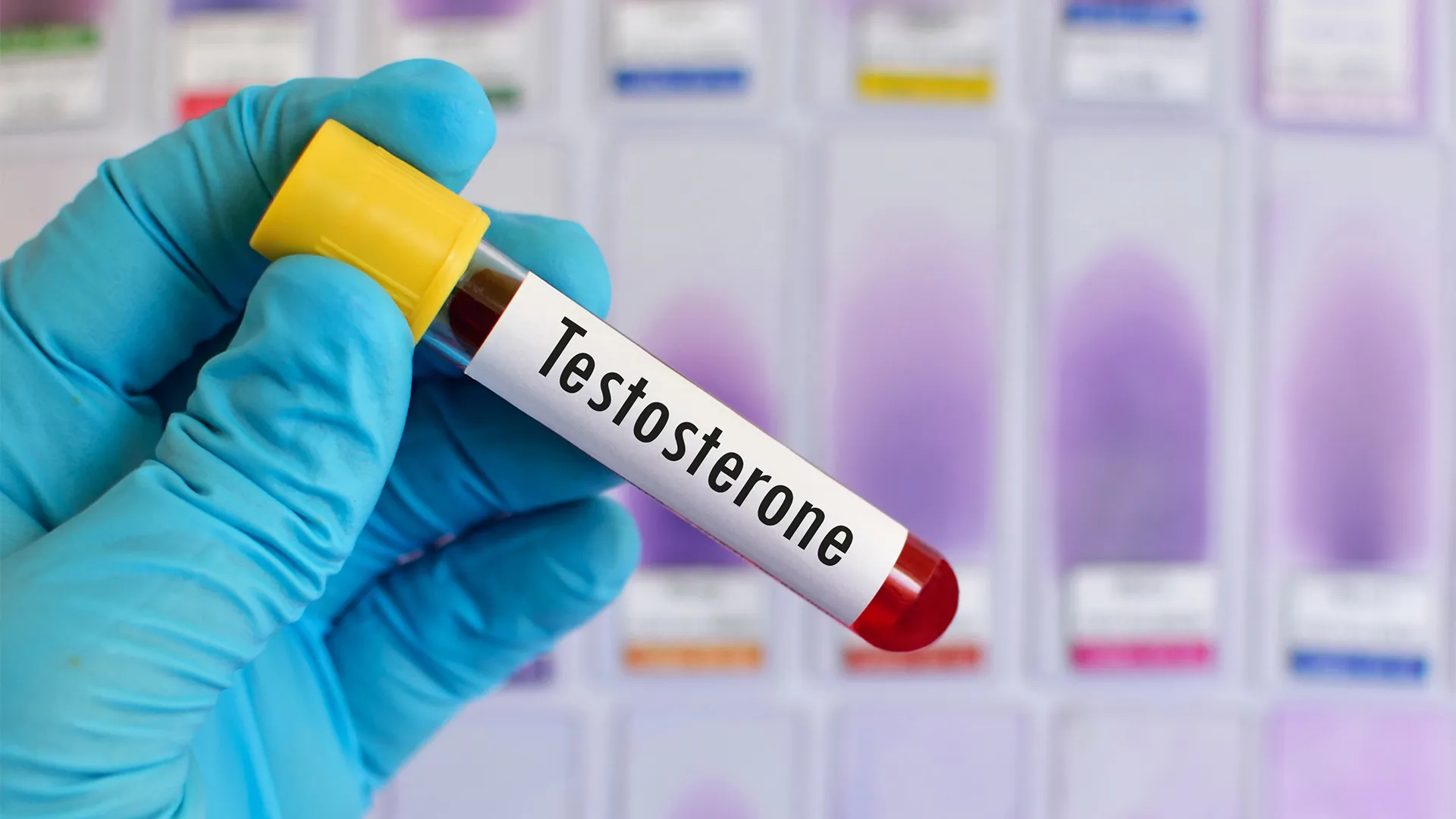
If the aforementioned symptoms become persistent, consulting a general practitioner or urologist is advisable. Low testosterone is diagnosed through a blood test to measure hormone levels, preferably in the morning when levels are at their peak.
If a diagnosis of low testosterone is confirmed, testosterone replacement therapy may be recommended under strict medical supervision. Regular monitoring is essential to avoid potential side effects such as an increased risk of heart problems or prostate enlargement.
Early diagnosis and appropriate management of symptoms are crucial for improving quality of life and preventing long-term complications, particularly those related to bone and heart health, doctors emphasize.