
By : News Editor
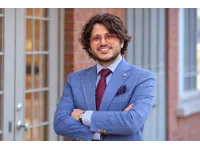
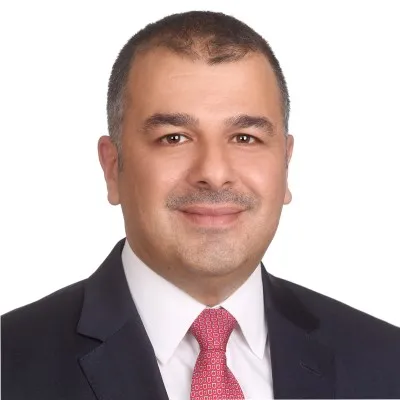
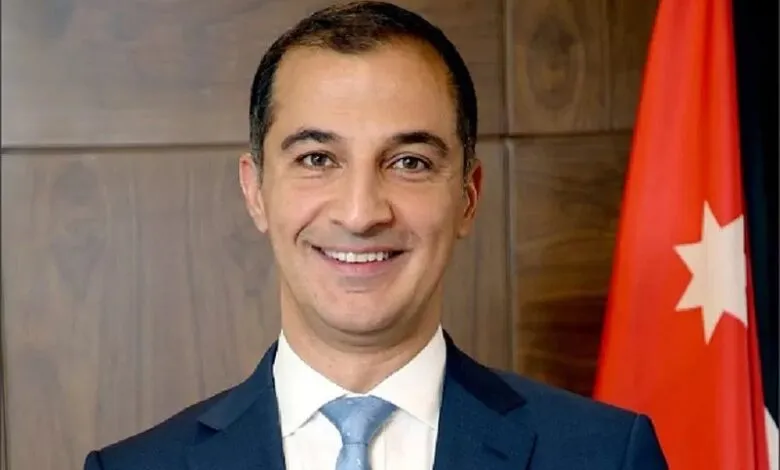
Jordan Daily - The Middle East’s venture capital landscape is entering a new phase where efficiency in capital allocation, rather than funding volume, will determine long-term impact, according to Mohammed Al- Muhtaseb, chief executive of the Innovative Startups and SMEs Fund (ISSF).
In a recent article, seen by Jordan Daily Al-Muhtaseb said shifting global economic conditions and regional geopolitical uncertainty are prompting investors to reassess risk, potentially dampening international appetite for Middle East markets in the near term.
Venture capital investment in the Middle East and North Africa reached about $3.8 billion in 2025, with international investors accounting for roughly half of total flows. However, he warned that sustaining this momentum will require more disciplined deployment of capital focused on measurable economic returns and scalability.
Sovereign funds and fund-of-funds structures are expected to play a larger role, not only as liquidity providers but as market shapers capable of crowding in private investment and distributing risk more effectively.
A key structural challenge remains the limited size of domestic markets, which constrains startup growth. Al-Muhtaseb said deeper regional integration- linking hubs such as Amman with Gulf and Levant markets-would be critical to building competitive, scalable companies.
Jordan, he noted, is well positioned to act as a regional innovation hub, supported by a skilled workforce and relative economic resilience. The International Monetary Fund forecasts Jordan’s economy will grow 2.7% in 2026 and 3.1% in 2027.
He added that regulatory clarity, improved exit frameworks and adoption of modern financial instruments are essential to attracting foreign capital.
Future success will depend on how capital is engineered, not just deployed, Al- Muhtaseb said, calling for a shift from “funding growth” to “building markets” to ensure sustainable development of the region’s digital economy.