

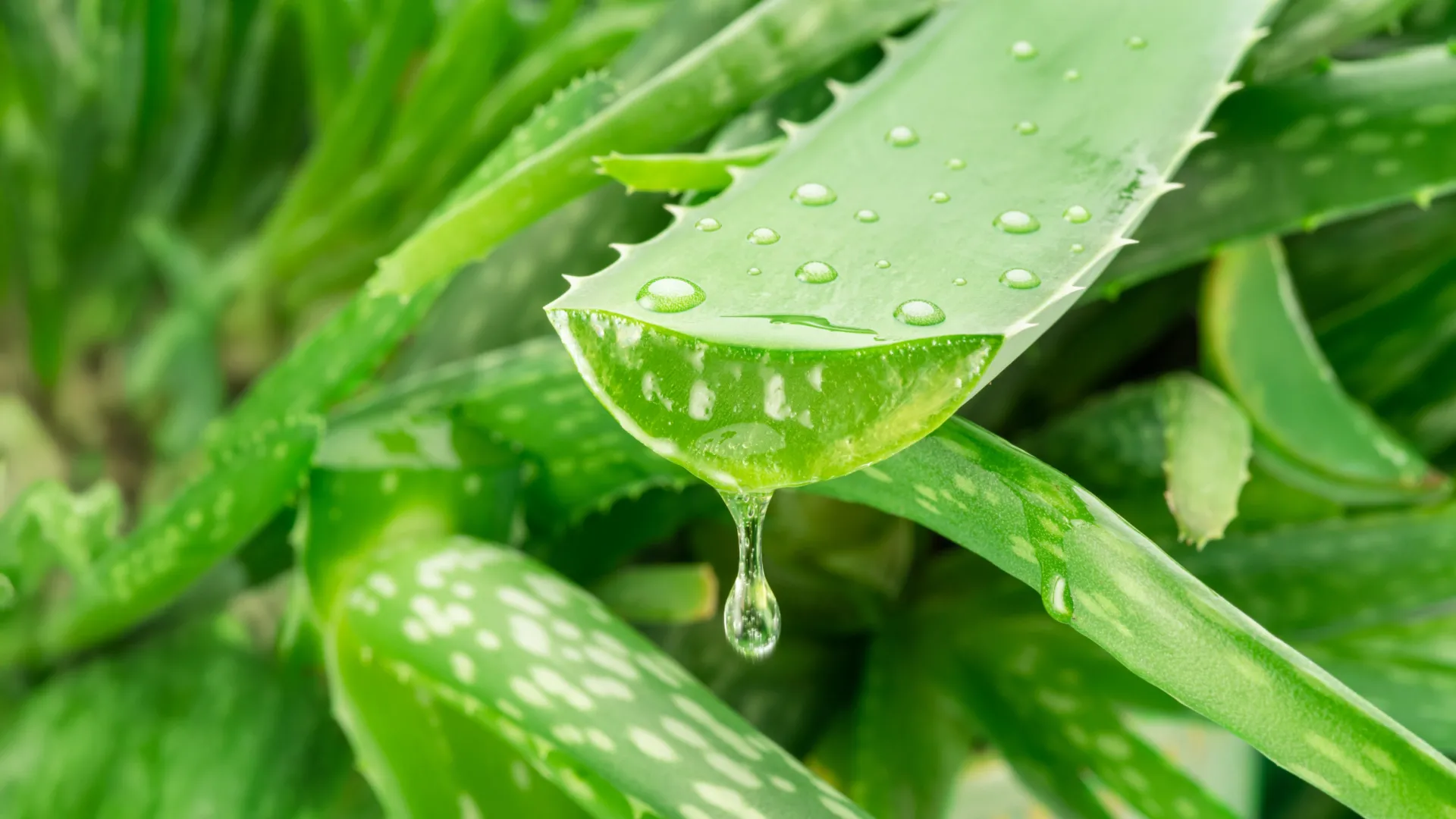
JD - A compound found in aloe vera may hold potential for slowing the progression of Alzheimer's disease, according to a recent computational study.
The research, conducted by a team at Hassan II University of Casablanca, Morocco, focused on beta-sitosterol, a plant-based substance present in aloe vera leaves.
Alzheimer's disease affects over 55 million people worldwide and is the most common form of dementia. That number is expected to rise to 138 million by 2050, according to researchers. While progress has been made in understanding the mechanisms and risk factors associated with the disease, its exact causes remain not fully understood, making the development of a cure a complex scientific challenge.
Aloe vera has been used for centuries in traditional medicine to treat skin irritations, improve digestion, and support immunity, though scientific evidence for some of these benefits remains mixed. The new study explores the potential of its compounds in the field of neurological disorders.
Researchers utilized a computational approach, simulating how aloe vera compounds interact with enzymes believed to play a role in Alzheimer's development. While the study did not involve laboratory or clinical trials on humans, it represents an initial step in identifying potential therapeutic pathways.
The findings suggest that beta-sitosterol demonstrated a high ability to bind to two key enzymes: acetylcholinesterase (AChE) and butyrylcholinesterase (BChE). Alzheimer's disease is associated with reduced levels of acetylcholine, a neurotransmitter crucial for learning and memory. The AChE and BChE enzymes break down this neurotransmitter, leading to its depletion.
Inhibiting the activity of these enzymes may help maintain higher levels of acetylcholine in the brain, a principle behind some current medications used to manage Alzheimer's symptoms. According to simulation results, beta-sitosterol achieved high scores in binding to both enzymes, suggesting its potential in reducing their activity.
Researchers also evaluated the compound's drug-likeness through an ADMET analysis, assessing its absorption, distribution, metabolism, excretion, and toxicity. Beta-sitosterol and another compound, succinic acid, performed well, reinforcing the need for future laboratory and clinical testing.
The researchers emphasize that the current findings are based on computational simulations and cannot be considered conclusive evidence of therapeutic effectiveness.
This study adds aloe vera to the list of natural sources that may contribute to the development of future treatments, alongside other research exploring the repurposing of blood pressure and cancer drugs for Alzheimer's therapy.
Researchers affirm that the digital approach is a promising tool for accelerating the discovery of new compounds, but it remains a first step that requires careful laboratory and clinical trials before any actual therapeutic use can be considered. While definitive answers remain distant, scientists continue to seek new keys to understanding this complex disease.