

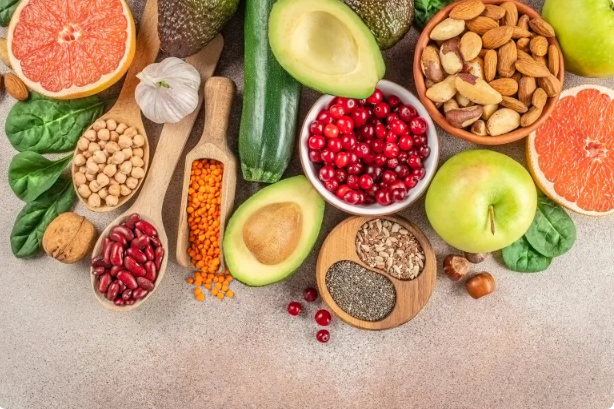
Jordan Daily - Regular consumption of dietary fiber, found in whole grains, fruits, vegetables, legumes, nuts, and seeds, is crucial for maintaining overall health, according to medical studies. Increasing fiber intake gradually while staying hydrated is advised to maximize health benefits and avoid digestive issues.
The German Pharmacists' official portal, Apotheken DE, reports that incorporating fiber into a balanced diet yields significant health advantages.
Fiber promotes gut health by nourishing beneficial bacteria, maintaining a balanced gut microbiome, absorbing water, and facilitating bowel movements, preventing constipation. Research indicates that gut health influences not only digestion but also immune function and overall well-being.
Moreover, fiber aids in weight management by promoting satiety, which reduces the urge to snack between meals. This can support weight control without strict dieting.
Fiber also stabilizes blood sugar levels by slowing sugar absorption, preventing rapid glucose spikes. Studies published by the World Health Organization suggest that a fiber-rich diet can lower the risk of type 2 diabetes, especially in individuals with insulin resistance.
Furthermore, fiber supports heart health. Soluble fiber binds to bile acids in the intestine, aiding in their removal and lowering harmful cholesterol levels in the blood. The American Heart Association links fiber-rich diets to a reduced risk of cardiovascular diseases.
Epidemiological studies suggest that adequate fiber intake may reduce the risk of colorectal cancer, with some research indicating a potential protective effect against breast cancer.
Health experts recommend adults consume at least 30 grams of dietary fiber daily. However, many people fall short due to a reliance on processed foods that are low in fiber.
Fiber is a type of carbohydrate that the body cannot digest, unlike most carbohydrates that are broken down into glucose. Instead, fiber passes through the body undigested, helping regulate the body's use of sugars, controlling hunger, and stabilizing blood sugar levels.
Good sources of fiber include apples, bananas, berries, avocados, broccoli, carrots, spinach, sweet potatoes, oats, whole wheat bread, brown rice, lentils, chickpeas, beans, peas, almonds, chia seeds, and flax seeds.