
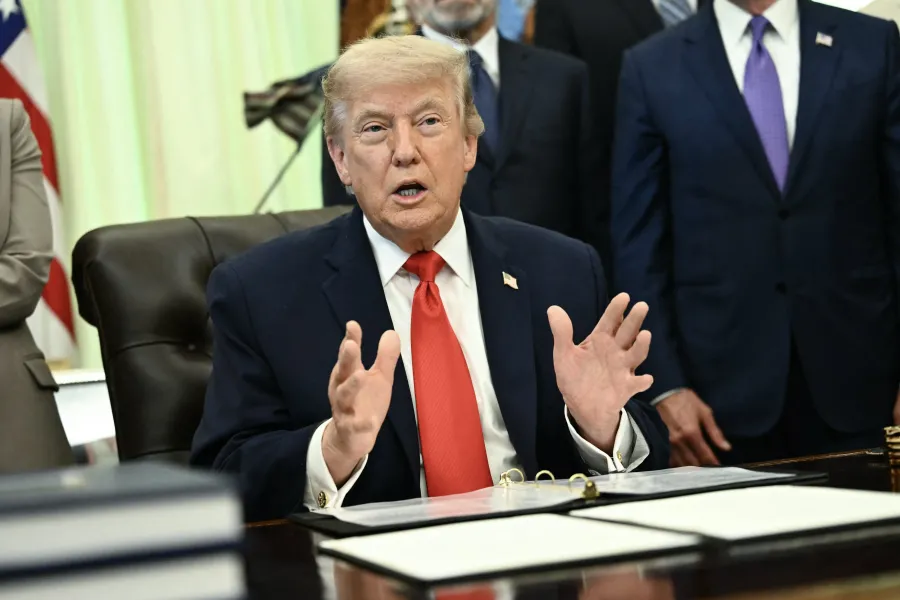
Reuters -US Vice President JD Vance told Fox News on Monday that US President Donald Trump may decide to release Washington’s agreement with Tehran before Friday.
The agreement, which was electronically signed by leaders in the US and Iran, is expected to be signed in person on Friday.
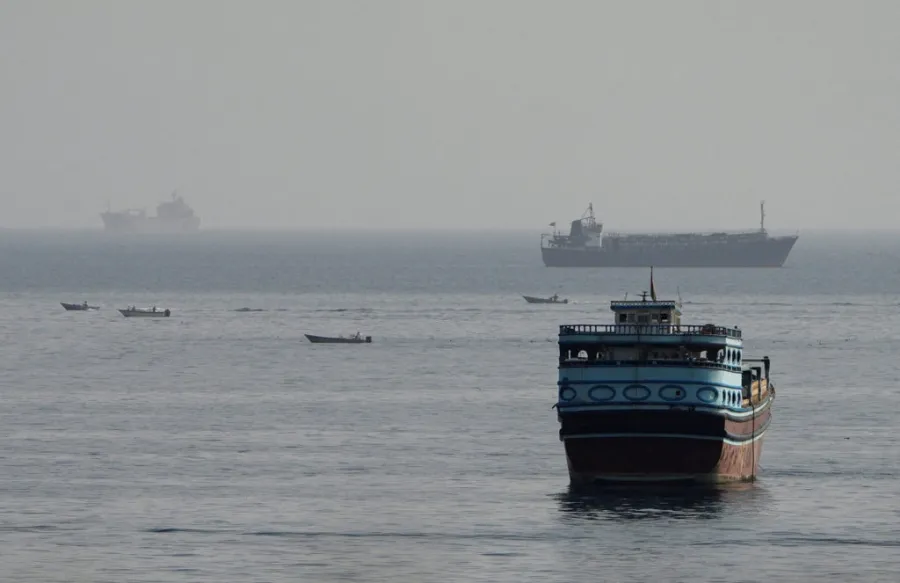
Trump on Monday said an agreement with Iran has been signed and that the text of the deal would be released sometime after a formal signing on Friday, adding that the Strait of Hormuz would also be fully open.
Speaking alongside French President Emmanuel Macron ahead of this week’s G7 meeting, Trump said he did not know if he would attend the Friday ceremony expected in Geneva, but that Vice President Vance would be there.
“The deal’s all signed. And the strait is already partially opened, as you know,” Trump told reporters shortly after arriving in Evian, France.
“On Friday, it’ll be completely open.”
Vance earlier on Monday said the agreement had been signed digitally on Sunday and that no funds were released.
Asked when the text of the memorandum of understanding would be made public, Trump said: “Probably pretty soon. I would say after sometime after Friday … I think sometime in the very near future.”
Trump said any sanctions relief for Tehran was “really a behavioral thing. If they do what they’re supposed to do, that starts taking effect.”
Earlier on Monday, US Vice President JD Vance said that no funds would be released to Iran in exchange for signing an agreement to halt the war and open the Strait of Hormuz and that text of the framework deal would be shared this week.
In an interview on ABC’s “Good Morning America” program, Vance said signing the memorandum of understanding with Iran would not trigger the release of frozen assets.
Vance said the agreement was already signed digitally on Sunday and no funds were released.
“There’s been no money released, and that won’t change,” he said.
Vance said Iran would receive money only if it took verified steps to eliminate its stockpile of highly enriched uranium.
“If we see the Iranians making, for example, taking action to eliminate their stockpile of enriched material, then yes, sanctions relief will follow. If we see the Iranians taking action to allow the kind of verification regime that we need to see to know that they’re not going to build a nuclear weapon, yes, sanctions relief will follow,” he said.
“If they don’t do the right things, if they don’t allow the verification regime, they’re never going to have the money to rebuild their nuclear program to begin with.”
In an interview on CNBC on Monday, Vance also said the United States expects the economically vital waterway would be open without tolls.
“Our expectation is that the Strait is going to be opened in a toll-free way for the long-term,” he said.
“That’s the sort of thing that we’re going to figure out in these technical negotiations. You know that there are a lot of very important details to figure out that we’re actually going to sit at the table and discuss together and figure out a path forward.”
The US and Iran said they had agreed terms to end their war and reopen the strait, news that brought relief to markets, although the pact may hinge on an end to hostilities in Lebanon and defers talks on Tehran’s nuclear program.
While still a framework, the deal marked the biggest breakthrough toward resolving the conflict that has killed thousands and upended energy markets since it began with joint US-Israeli strikes on Iran in February.
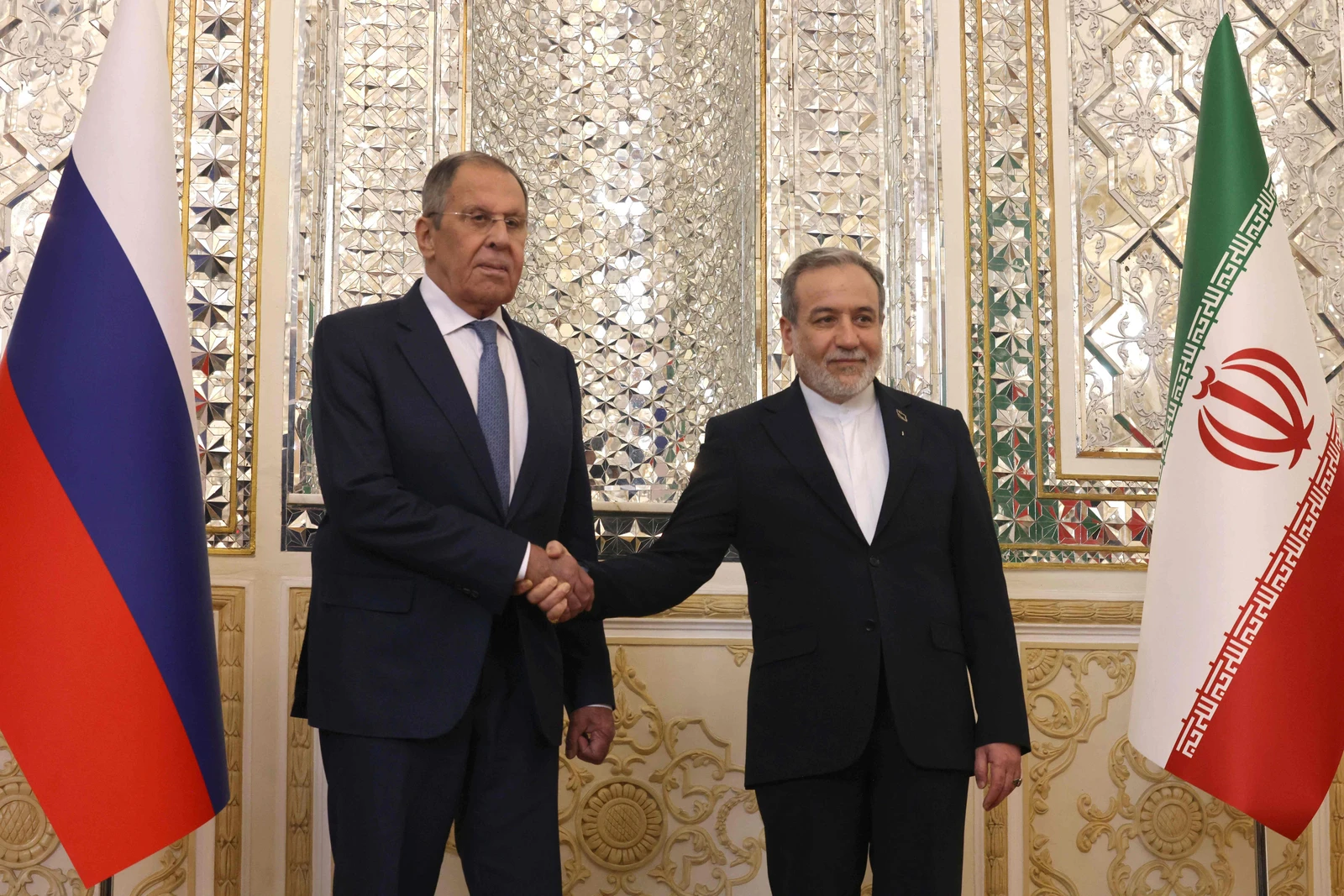
Vance told CNBC that Iran’s foreign minister and House speaker will represent Iran at the signing in Switzerland on Friday and many details of the deal are still to be sorted out.