
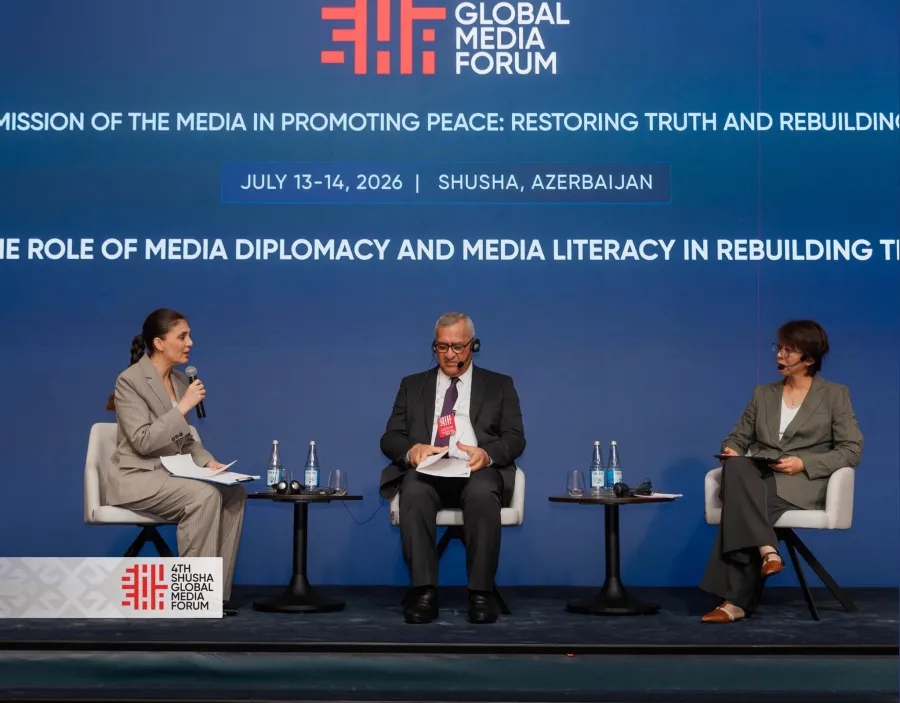
Jordan Daily, Azerbaijan- Secretary-General of the Ministry of Government Communication, Dr. Zaid Al Nawaiseh, said on Tuesday that rebuilding public trust in the digital age requires investing in media and information literacy alongside professional, transparent journalism, as artificial intelligence accelerates the spread of both accurate and misleading content.
Speaking during the third panel, “The Role of Media Diplomacy and Media Literacy in Rebuilding Trust,” at the Shusha Global Media Forum in Azerbaijan, Al Nawaiseh said the central challenge had shifted from accessing information to verifying its authenticity.
"In the past, the challenge was obtaining information. Today, the question is how we know it is true," he said, noting that misinformation, manipulated images and AI-generated content can spread as rapidly as verified information.
He noted trust can no longer be built simply by delivering messages or providing information, but depends on transparency, credibility and the public's ability to critically evaluate what it consumes. Algorithms, he added, often amplify the most engaging content rather than the most accurate, contributing to polarization and weakening shared public dialogue.
Al Nawaiseh said rebuilding trust requires parallel efforts: strengthening professional media that is fast, transparent and credible, while equipping citizens with critical thinking and media and information literacy skills.

Addressing the role of media diplomacy, he described it and media and information literacy as complementary pillars of trust-building. Media diplomacy, he said, helps project a balanced and credible image of a country internationally, explains national positions and promotes dialogue among nations and peoples. At the same time, media literacy empowers individuals to assess information independently, verify facts and make informed decisions rather than emotional ones.
"Even the most professional media cannot prevent misinformation if society lacks the skills to verify information," he said, adding that media literacy alone is also insufficient without transparent and credible communication.
Highlighting Jordan's experience, Al Nawaiseh said the country views media and information literacy as a national project extending beyond the media sector, involving government institutions, educational bodies, civil society, the private sector and international partners.
He pointed out Jordan has advanced from its first national media and information literacy strategy to a more comprehensive second strategy aligned with UNESCO standards and international best practices, focusing on critical thinking, fact-checking and responsible use of digital platforms.
Implementation of the strategy is led by a national team chaired by the Minister of Government Communication and includes representatives from ministries, national institutions, universities and international partners, reflecting what he described as a collective national responsibility.
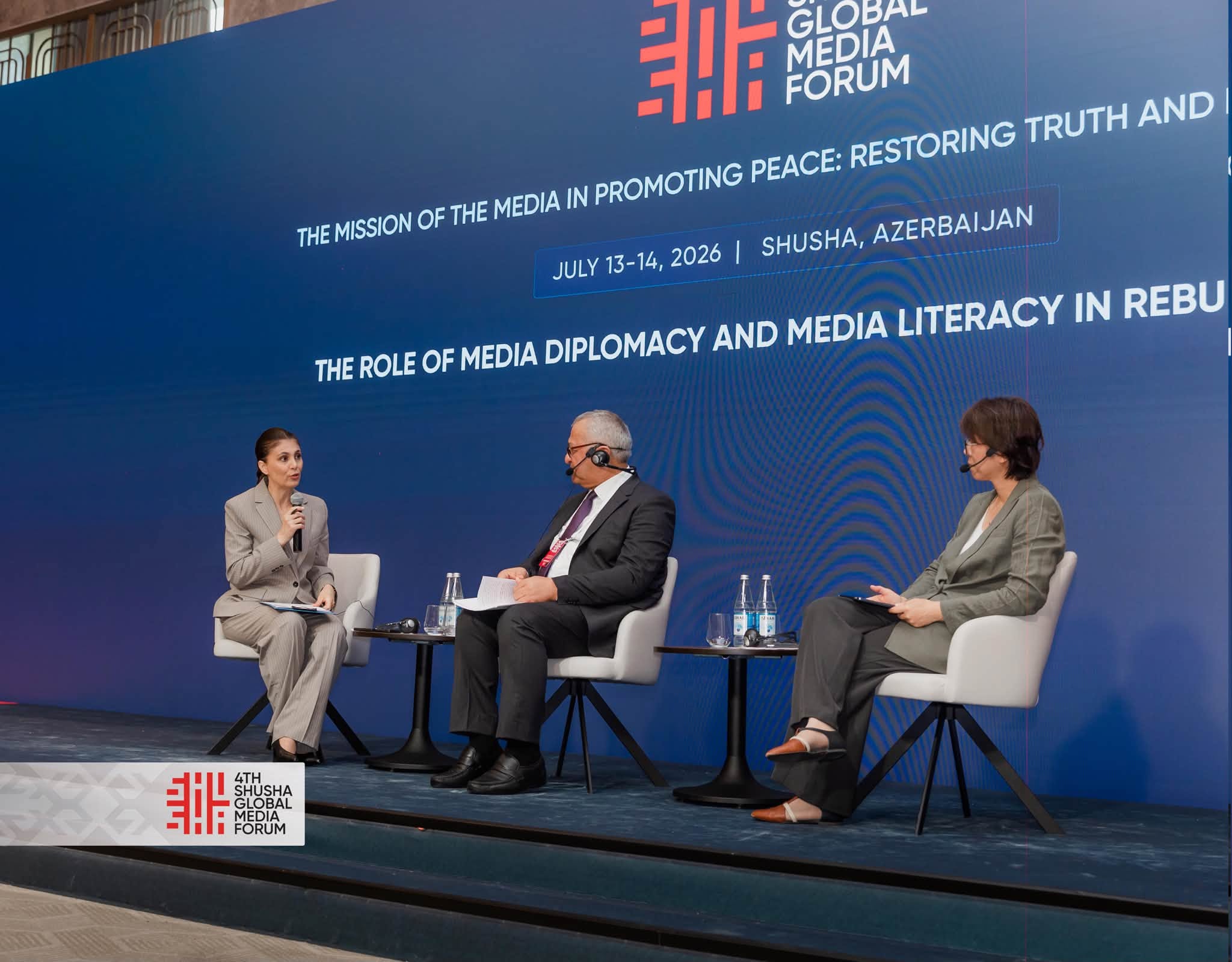
Jordan is also expanding cooperation with UNESCO and regional and international partners while integrating media and information literacy into education, youth programmes, digital transformation initiatives, online child protection and efforts to counter hate speech and disinformation.
Asked for one recommendation to policymakers, Al Nawaiseh said: "Invest in people before investing in technology."
He said technology and artificial intelligence would continue to evolve, but lasting trust would depend on citizens' ability to think critically, verify information and engage responsibly with digital content, making media and information literacy an investment in social stability, security and sustainable development.