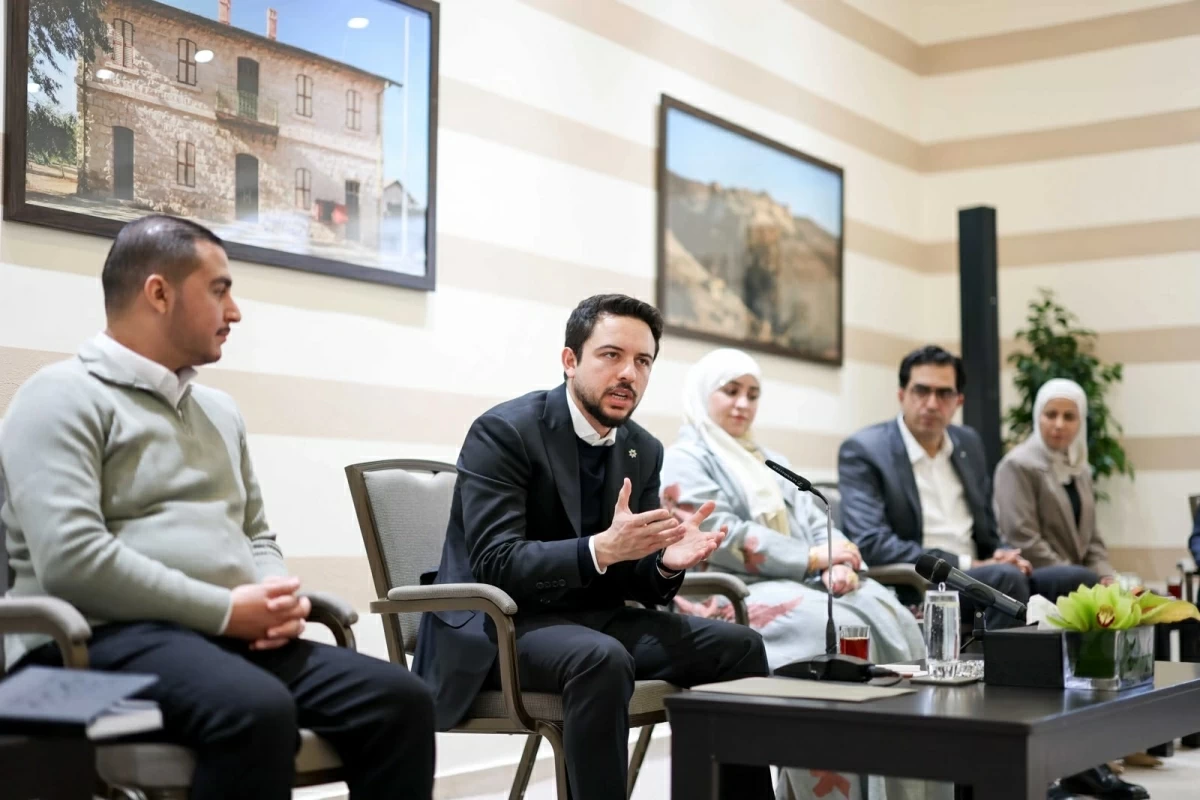

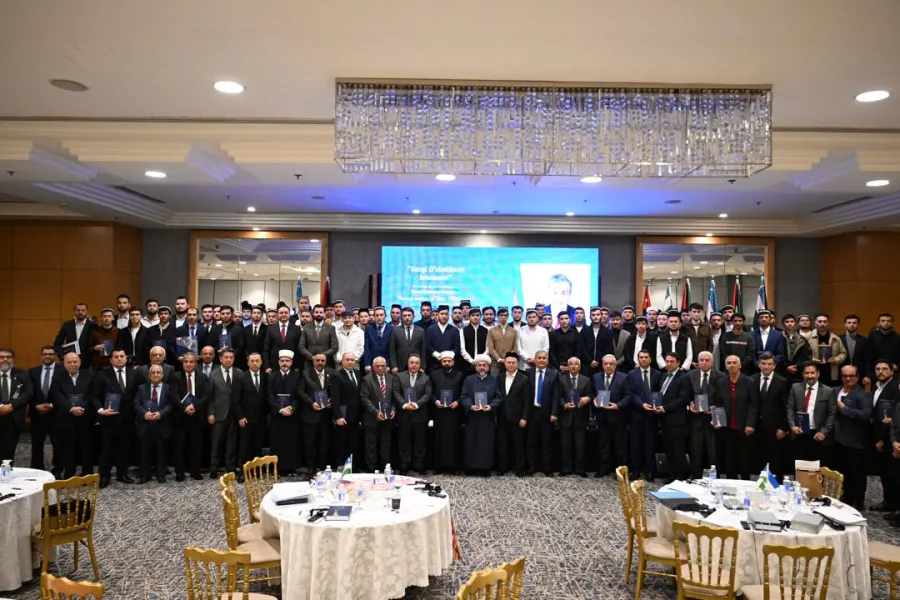
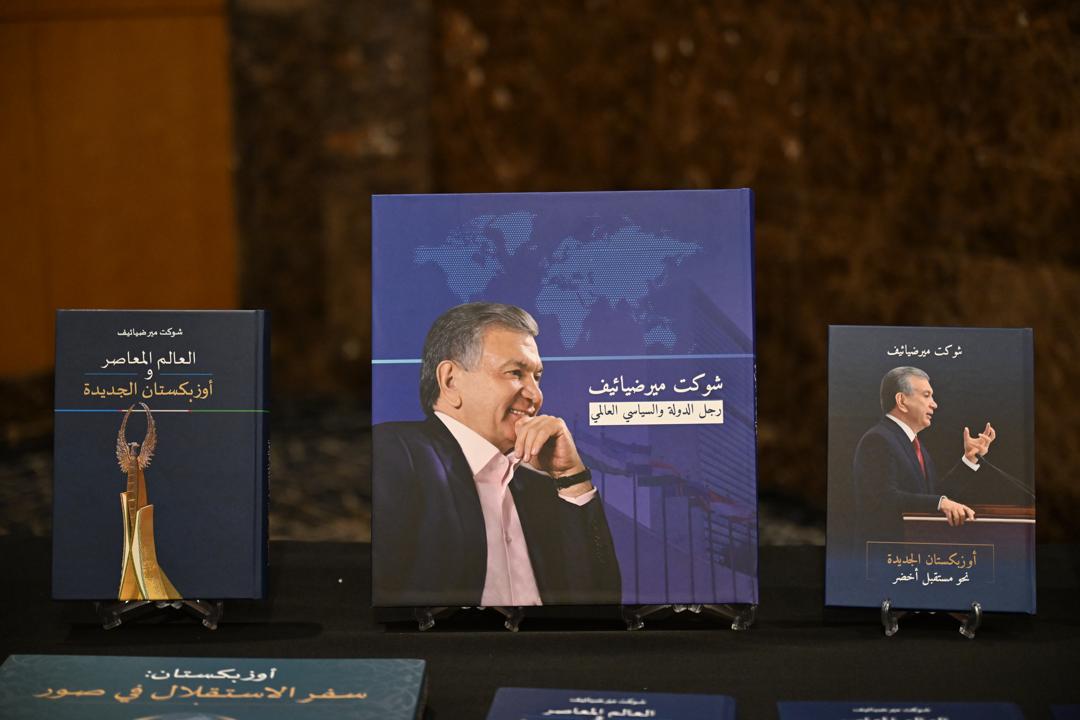
Jordan Daily - A series of presentations and meetings involving representatives of the governmental, academic and religious circles of the two countries took place in Amman. The central event was the presentation of the book “The Contemporary World and New Uzbekistan” by the President of the Republic of Uzbekistan, Shavkat Mirziyoyev, alongside works by international scholars on contemporary Uzbekistan.
During the meetings, participants discussed the ideas set out in the Head of State’s book and shared assessments by international researchers studying the course of reforms and changes in the country’s public life.
The book examines global political, economic, social and environmental transformations, as well as the reforms and processes of institutional modernisation undertaken in Uzbekistan since 2016 and their impact on the country’s development and foreign policy. Particular attention was paid to the international dimension of these transformations and to the expansion of Uzbekistan’s cooperation with foreign countries.
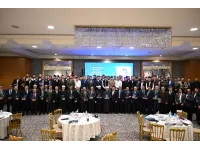
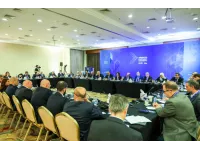
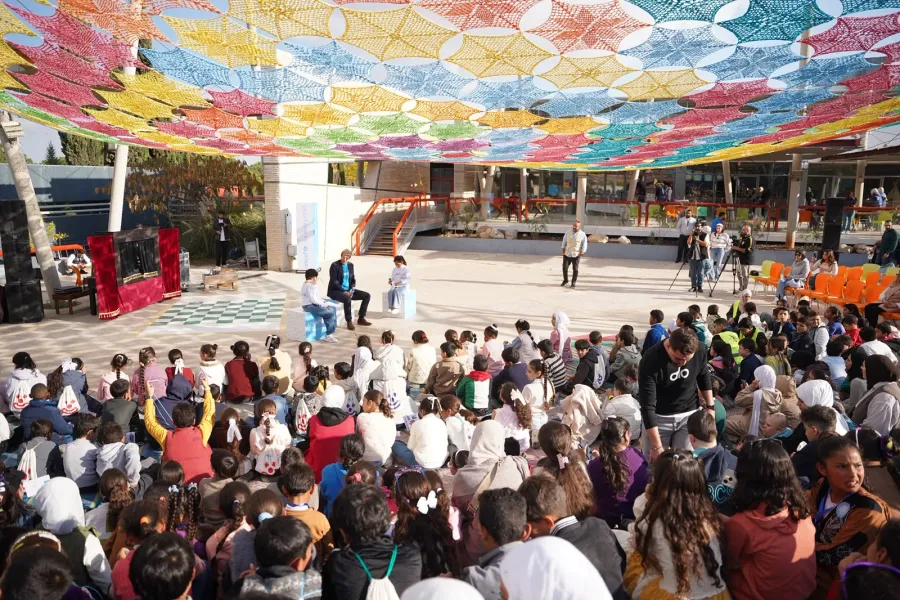
As part of the events in Amman, “The Contemporary World and New Uzbekistan” was presented at several venues, including the Sheraton Hotel and two leading Jordanian universities: Al al-Bayt University and the World Islamic Sciences and Education University (WISE).
Alongside the main publication, nine additional books and photo albums in Arabic were presented. They focus on Uzbekistan’s contemporary development, its rich historical heritage, the concept of the Third Renaissance and the country’s international initiatives. These publications were donated to libraries in Jordan. The series of events, aimed at familiarising Jordan’s academic and wider public with the book’s content and the contemporary transformations taking place in Uzbekistan, is continuing.
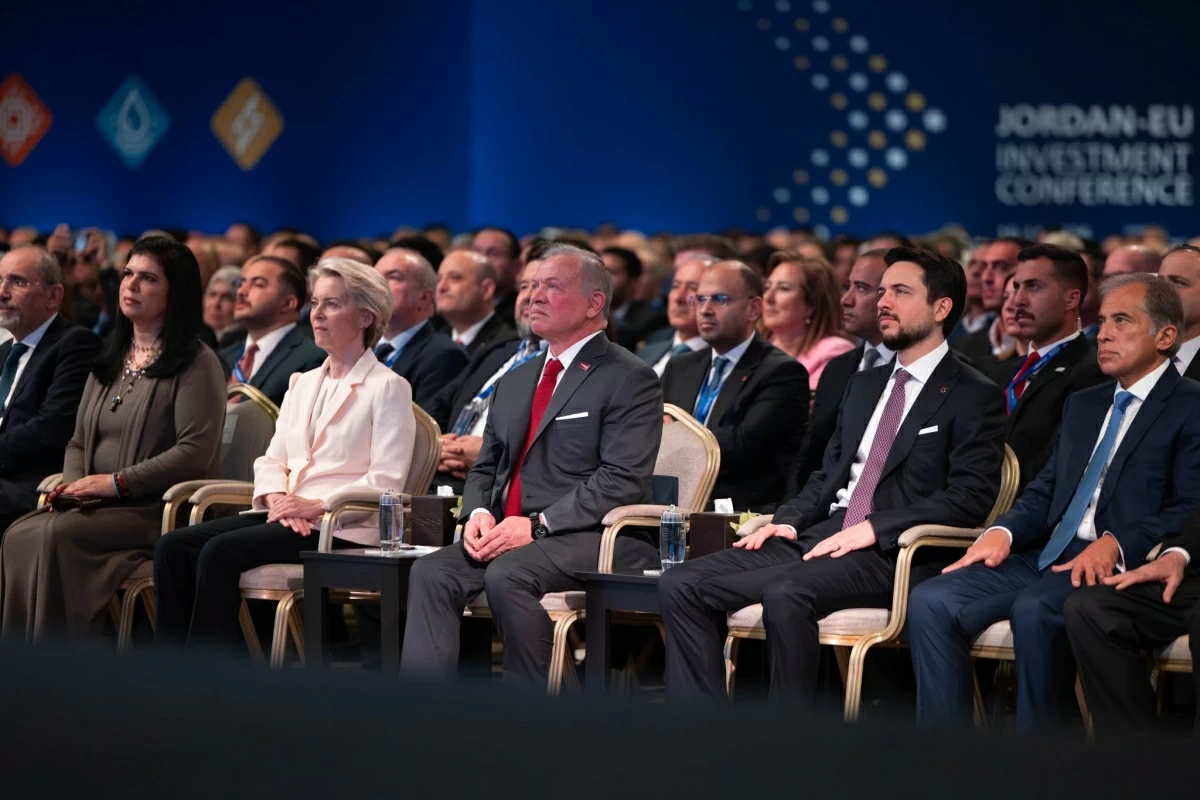
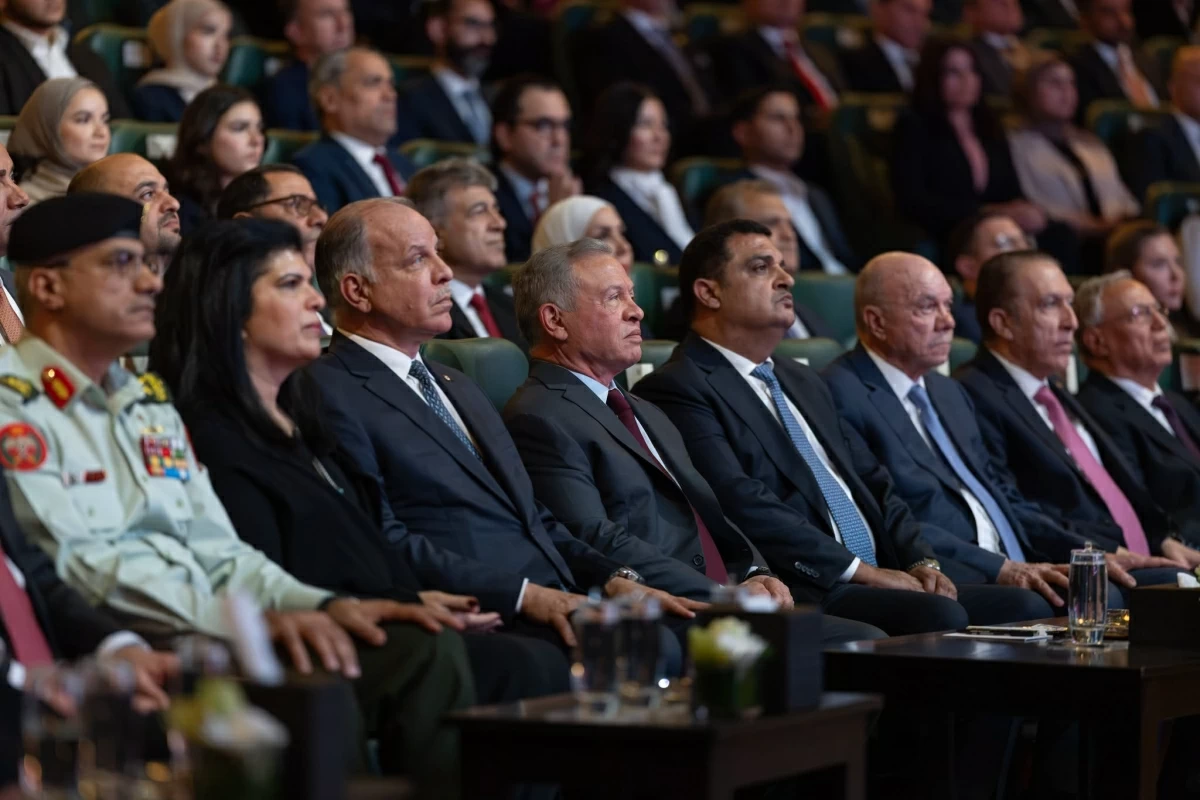
Speaking about the development of Uzbek-Jordanian relations, Adviser to the President of the Republic of Uzbekistan Muzaffar Kamilov noted that bilateral engagement had entered a new phase thanks to the political will and joint efforts of the leaders of the two countries. Uzbekistan’s Ambassador to Jordan, Nodirjon Turgunov, emphasised that diplomatic relations, established in 1993, had developed significantly in the New Uzbekistan, with cooperation between the two states steadily expanding. For his part, Chairman of the Jordanian Senate’s Committee on Uzbek-Jordanian Friendship Haitham Obeidat highlighted prospects for further cooperation in trade, investment, culture and education.
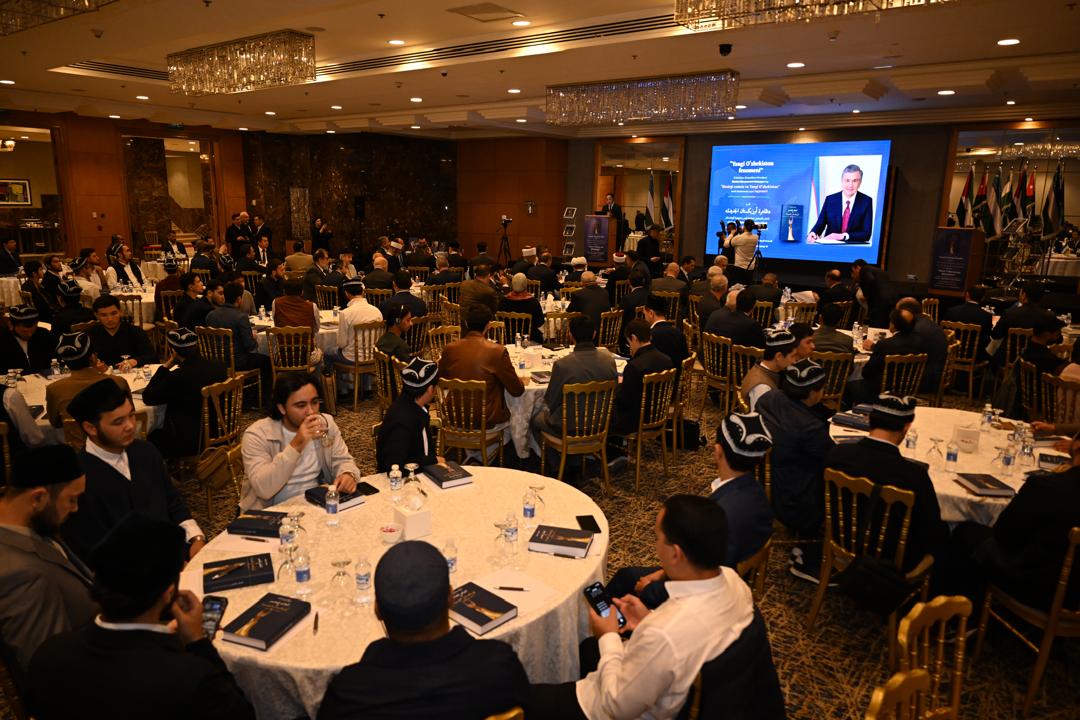
Issues of humanism, tolerance and interreligious dialogue also featured prominently in the discussions. Jordan’s Minister of Awqaf, Islamic Affairs and Holy Sites, Mohammad Al-Khalaileh, reaffirmed his commitment to promoting the true image of Islam, founded on the principles of moderation and tolerance. Jordan’s Grand Mufti, Ahmad Al-Hasanat, stressed the importance of strengthening religious and academic cooperation between the two countries, advancing research in Islamic jurisprudence and jointly addressing contemporary challenges.
The historical and intellectual heritage of Uzbekistan, as well as its significance for international academic and cultural dialogue, was another key topic.
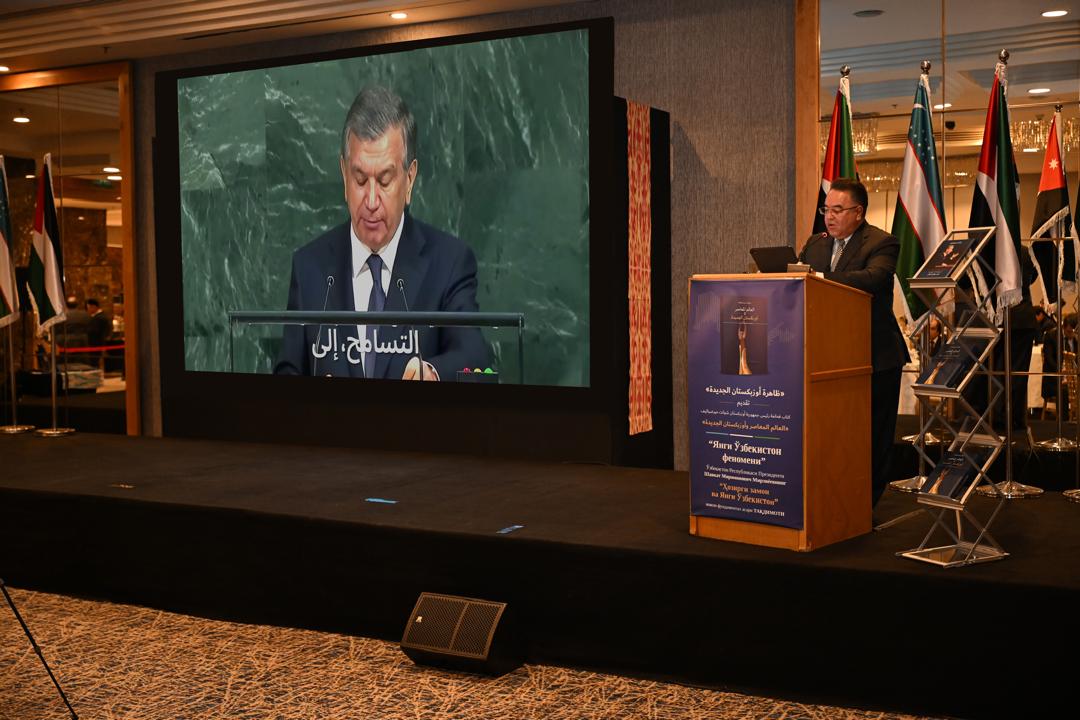
Speaking about the mission of the Islamic Civilization Center in Uzbekistan and its role in promoting the heritage of Islamic civilization, the Centre’s Director, Firdavs Abdukhalikov, noted:
“The establishment of the Centre for Islamic Civilization was the realization of an original concept and initiative of President Shavkat Mirziyoyev. This project is founded on the principles of enlightenment, humanism and respect for the rich intellectual heritage of the Islamic world. As early as 2017, addressing the United Nations General Assembly, the Head of State emphasised the importance of combating ignorance through knowledge and education. Today, our aim is not only to preserve the legacy of great thinkers, but also to make it accessible to the international community by fostering academic and cultural dialogue.”
The discussions also highlighted the importance of academic and publishing projects that introduce international audiences to Uzbekistan’s historical heritage. Opportunities for joint work with manuscript sources attracted particular interest.
Scholarly catalogues help researchers locate manuscripts and study their provenance and history of circulation, while facsimile editions make it possible to explore unique artefacts while preserving the originals.
The presentations and meetings in Amman helped identify specific areas of cooperation in which scholars and specialists from the two countries can develop joint research and publishing projects. The visit of the Uzbek delegation to Jordan is continuing.