
JD - Global financial markets are bracing for potential turbulence as geopolitical tensions escalate in the Middle East. Analysts predict a volatile trading session with investors closely monitoring developments that could impact energy supplies and risk sentiment worldwide.
The primary concern revolves around the strategic Strait of Hormuz, a critical chokepoint for global oil shipments. Any disruption to maritime traffic through this waterway could trigger a sharp surge in crude oil prices, adding inflationary pressure to the global economy.
Market participants are anticipating a flight to safety, with investors likely to flock to safe-haven assets such as the U.S. dollar, Japanese yen, and gold. U.S. Treasury yields are also expected to decline as investors seek the relative security of government debt.
Experts forecast a significant jump in oil prices, potentially ranging from 5% to 10%, should tensions directly or indirectly threaten navigation in the Strait of Hormuz. The strait's strategic importance cannot be overstated, as it facilitates the transit of millions of barrels of crude oil daily.
This situation differs significantly from previous market disruptions, such as those related to Venezuelan production issues. The current crisis is characterized as a "chokepoint story," highlighting the potential for a supply-side shock.
The anticipated rise in oil prices could have far-reaching consequences, impacting transportation costs, manufacturing, and overall consumer spending. Central banks may face challenges in managing inflation if energy prices remain elevated.
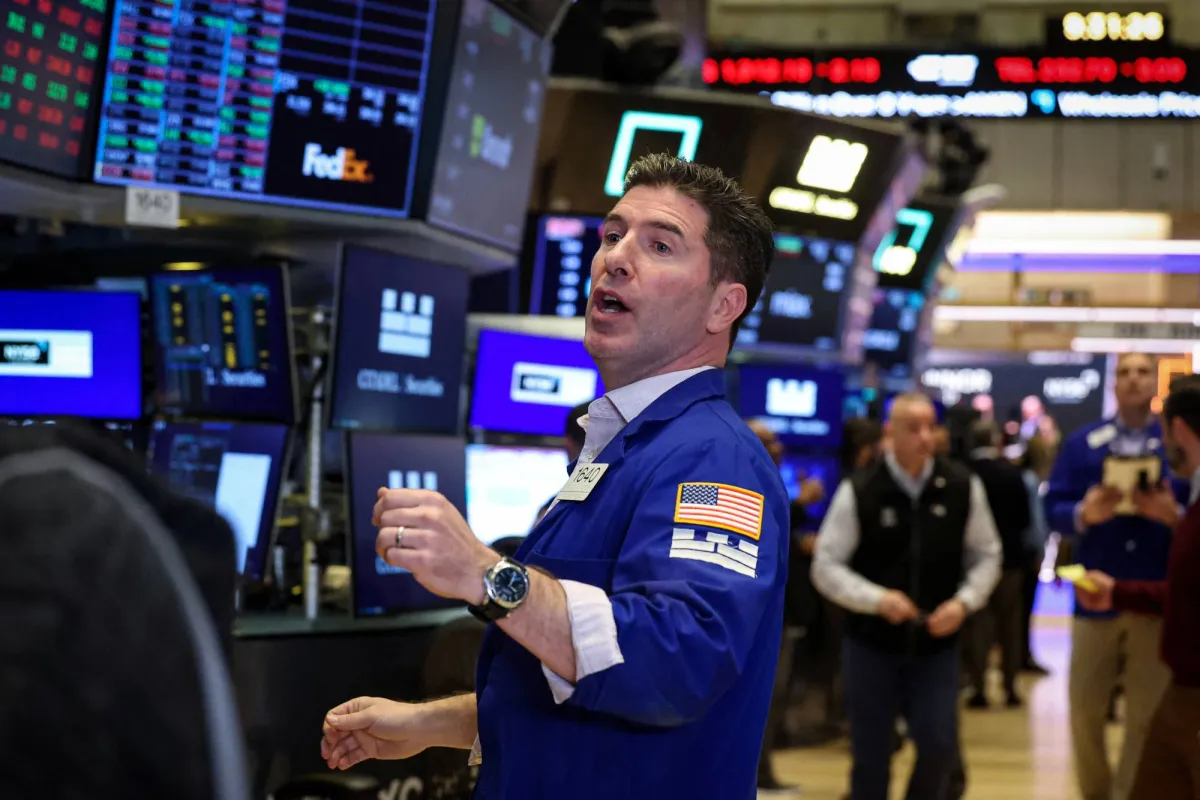
Financial institutions are preparing for a potentially rough start to trading, with global equities expected to experience an initial decline of 1% to 2% or more. This sell-off could be exacerbated by uncertainty and fear among investors.
The rush to safe-haven assets is expected to bolster the U.S. dollar and Japanese yen, as investors seek the stability of these currencies during times of geopolitical stress. Gold, a traditional store of value, is also likely to see increased demand.
While a degree of market hedging has already occurred in recent weeks, as evidenced by rising oil prices and increased demand for Treasury bonds, the magnitude of the initial shock remains uncertain. The extent of the market reaction will depend on the severity and duration of the escalating tensions.