
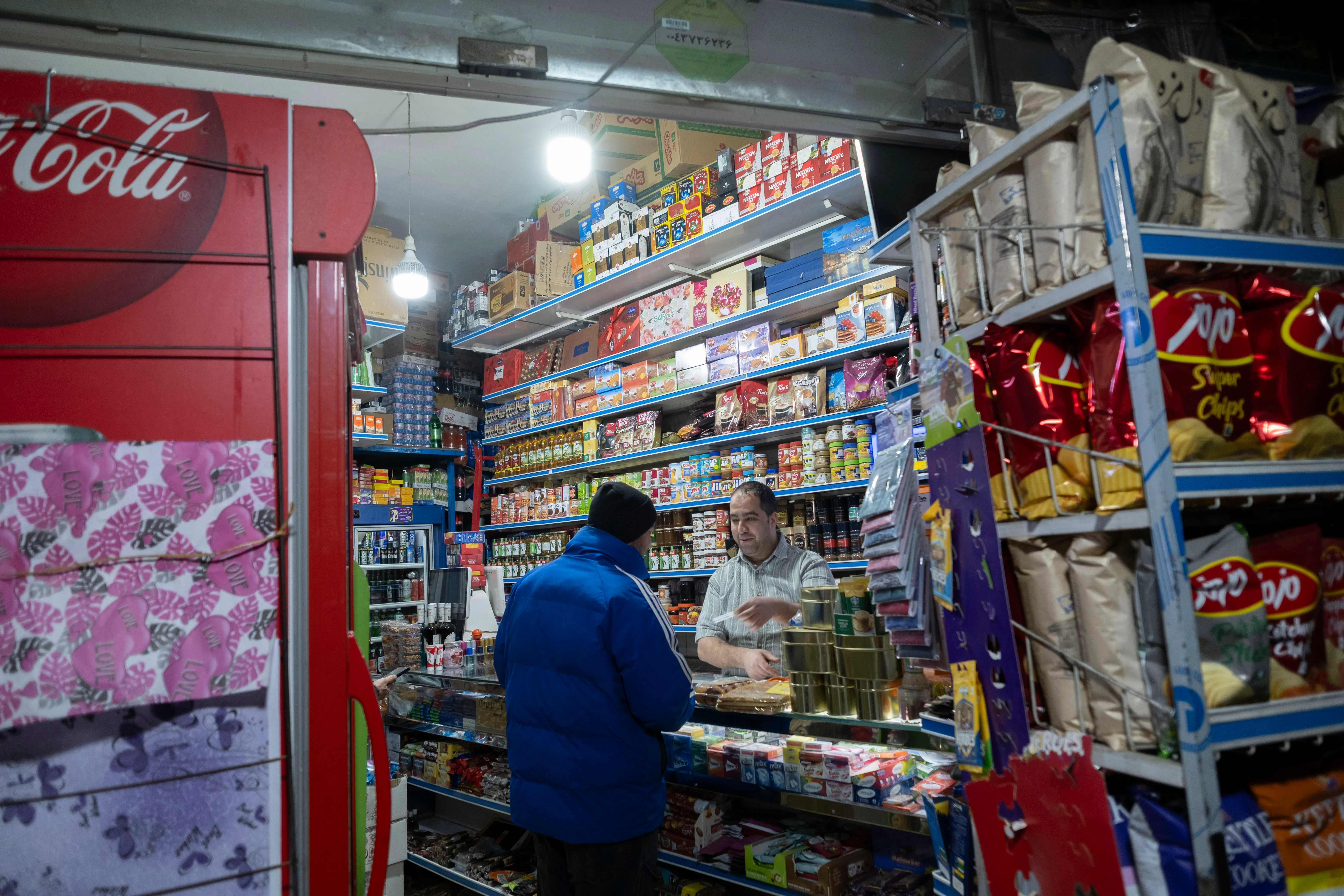
JD - Iran has activated an emergency plan focused on securing essential goods and maintaining infrastructure capacity as regional tensions heighten. The move comes amid concerns about potential disruptions to supply chains and infrastructure.
The emergency measures prioritize the availability of essential commodities, securing production inputs, and ensuring the functionality of critical infrastructure.
In response to concerns, government officials have increased public appearances and issued statements aimed at reassuring the population and implementing regulatory measures to stabilize markets.
Mohammad Reza Aref, the First Vice President, has been visiting financial institutions and major retailers to monitor the supply, distribution, and financing of goods. Aref stressed that market oversight is as critical as ensuring supply and warned that any exploitative practices or monopolization by distributors and sellers would face strict penalties.
Government spokesperson Fatemeh Mohajerani, during visits to vegetable and fruit markets, stated that essential goods, including dairy products, protein, rice, and oil, are available in sufficient quantities.
The government is focusing on price management and maintaining ample supply and will deal firmly with hoarding and monopolization, Mohajerani added.
Bread is a primary concern. Qassem Nodeh Farahani, head of the Iranian Chamber of Guilds, announced new measures to ensure bread availability. These include penalties such as cutting off flour rations to bakeries that refuse to produce or close down.
Bakeries can now use the next day's quota if they run out of their daily allocation to avoid bread shortages, Farahani clarified.
Regarding healthcare supplies, the Food and Drug Administration has adopted a precautionary approach to guarantee continuous essential services. The country possesses substantial strategic reserves of medicines, medical equipment, infant formula, and other health products to meet anticipated and emergency needs.
Akbar Fathi, Deputy Minister of Agriculture, announced widespread distribution of essential goods, assuring that the country has enough flour reserves for six months. He also noted that the wheat harvest season is approaching in the southern provinces, starting at the end of March.
Arrangements are being made in provinces receiving displaced populations to alleviate congestion and shorten bread lines by extending bakery hours and increasing flour allocations as needed, Fathi explained. He emphasized that there have been no increases in flour or bread prices and that bakeries receiving flour at the official price are obligated to sell at the previous prices.
Some citizens are drawing comparisons to past experiences, particularly the Iran-Iraq War of 1980, when goods like oil, meat, rice, soap, and sugar were rationed through coupons.
Despite the numerous official statements, questions remain about the actual size of reserves, their distribution across provinces, and the capacity for transportation and distribution if the conflict prolongs. It is uncertain whether the conflict will end before widespread rationing measures are imposed or if the country will revert to a coupon system.