

By : Business Editor
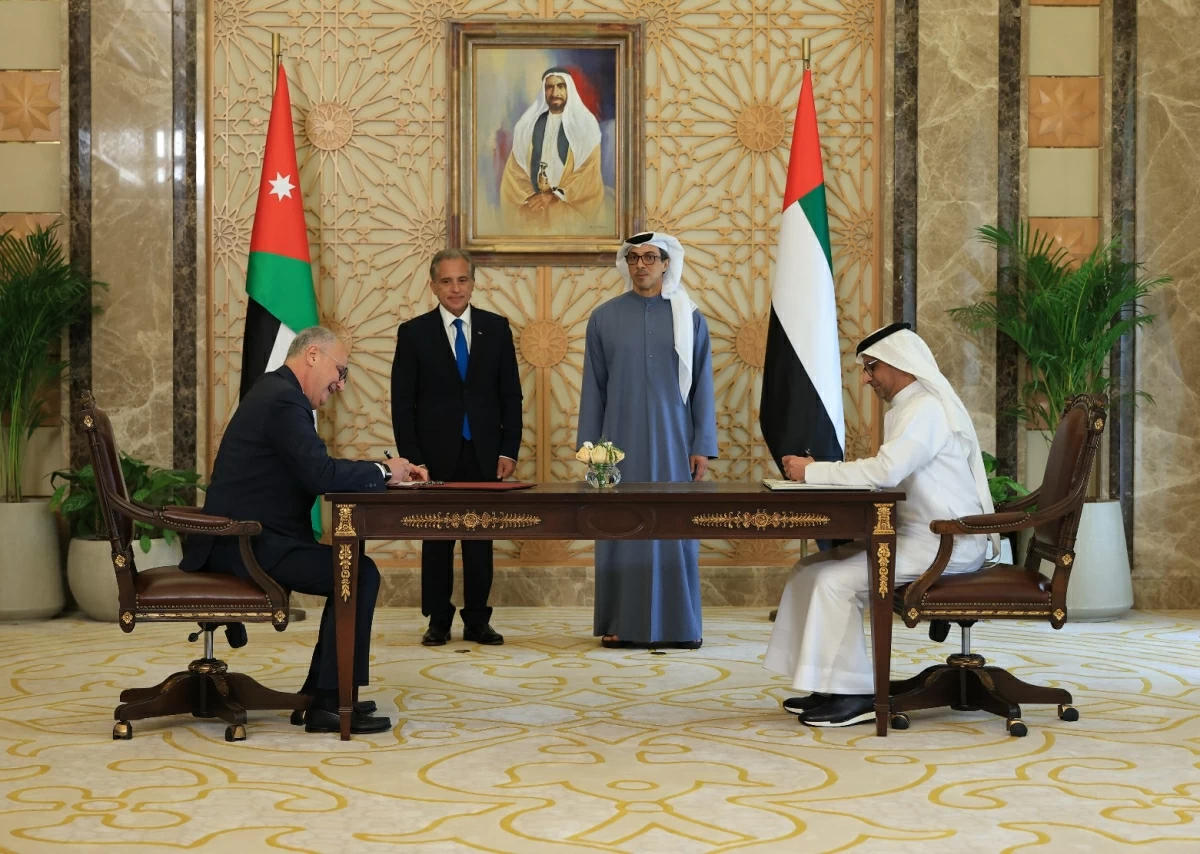
Jordan Daily - Jordan signed on Wednesday agreements with the United Arab Emirates to launch a major railway project linking phosphate and potash production sites to the port of Aqaba, in a move aimed at cutting transport costs and boosting competitiveness.
Chairman of the Jordan Phosphate Mines Company (JPMC), Dr. Mohammad Thneibat, said the Aqaba railway project is among the largest infrastructure developments undertaken in the kingdom in recent years, adding that the railway is expected to reduce annual transport costs for phosphate and potash by around $40 million.
The savings are expected to enhance the global competitiveness of Jordanian mining exports, while the project will also create approximately 5,000 jobs in the country’s southern regions, Thneibat noted.
The railway will be integrated with the planned Ma’an dry port project, forming part of a broader logistics network connecting production areas to export hubs.
He added the Jordanian-Emirati partnership will establish a railway company to operate routes linking the Shidiya phosphate mines, potash production facilities, and the port of Aqaba.
The company will have a capital of $2.3 billion and will be registered with the Ministry of Industry and Trade. The railway is expected to transport about 16 million tonnes annually, including roughly 13 million tonnes of phosphate from Shidiya to Aqaba and about 3 million tonnes of potash to the port, the Chairman pointed out.
Thneibat said the project would not negatively impact trucking operations in southern Jordan, noting that trucks would continue to play a key role in transporting goods between Aqaba and Amman, as well as serving other routes.
Jordan and the UAE signed the agreements on Wednesday as part of a joint investment initiative, marking one of the kingdom’s largest transport projects in the past 25 years.
The project aims to strengthen Jordan’s position as a regional transport and logistics hub by improving supply chain efficiency, facilitating cargo movement, and reducing overall transportation costs.