
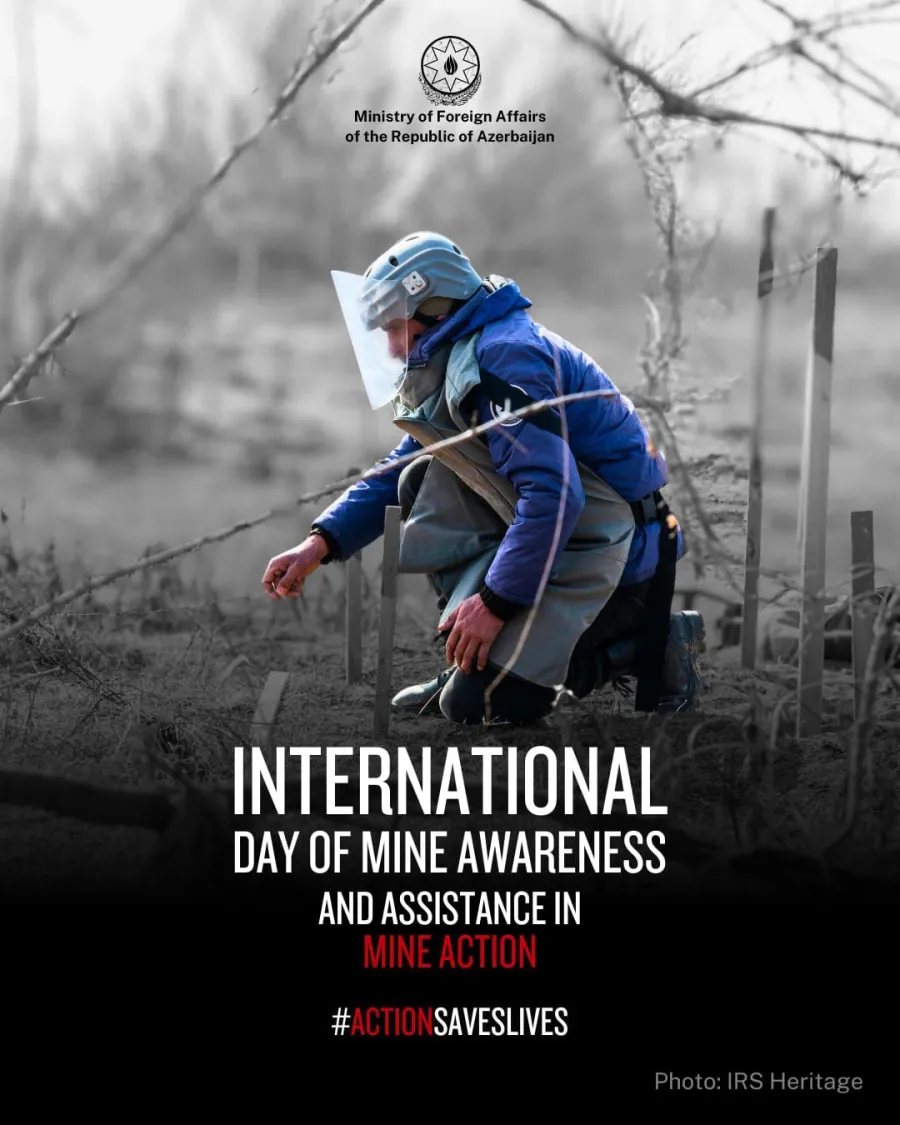
Jordan Daily - Azerbaijan called for increased international cooperation and funding to accelerate landmine clearance efforts, warning that explosive remnants of war continue to pose a major threat to civilian lives and post-conflict recovery.
Azerbaijan stands among the countries most severely affected by this challenge. Today, more than 13 percent of its territory remains contaminated by landmines and ERW, primarily in areas liberated following the 44-day Patriotic War in 2020. The human cost is staggering and clearly documented. Over the past three decades, more than 3,400 Azerbaijanis have fallen victim to landmines and explosive remnants of war, according to a statement released by the Embassy of Azerbaijan in Amman on Sunday.
The roots of this problem lie in the prolonged occupation of Azerbaijan’s territories by Armenia, which lasted for nearly thirty years. During this period, an estimated 1.5 million landmines were planted across vast areas by Armenians, deliberately turning once-populated regions into hazardous and uninhabitable zones. This large-scale contamination continues to pose a serious threat to civilian life and remains one of the most significant barriers to post-conflict recovery and resettlement, the statement noted.
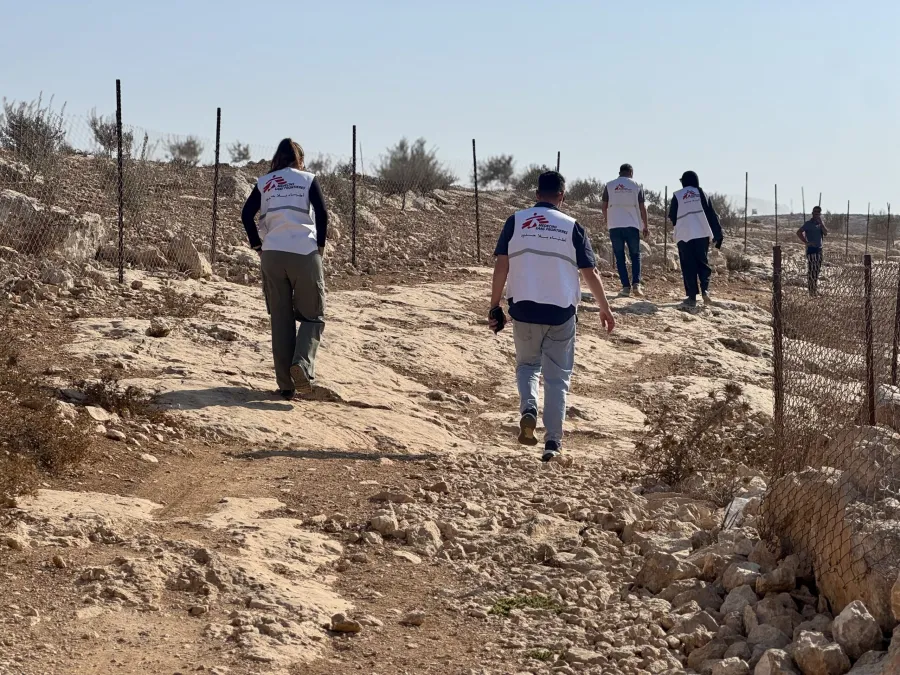
Landmines continue to hinder reconstruction, restrict access to farmland and basic services, and delay the return of displaced populations, authorities said. The government has prioritised humanitarian demining through Azerbaijan National Agency for Mine Action, ANAMA, which conducts clearance operations, risk education and victim support.
Officials also highlighted efforts to modernise operations through new technologies and promote inclusivity, including the deployment of all-female demining teams.
However, Azerbaijan said progress is constrained by the scale of contamination and limited global funding. It also raised concerns over the accuracy of minefield maps provided by Armenia, which it said complicates clearance work and increases risks for civilians.
Azerbaijan also said its engagement in mine action extends beyond addressing domestic contamination, positioning itself as an advocate for stronger global cooperation to tackle the humanitarian impact of landmines.
The country has contributed to international demining efforts and called for collective action to reduce risks faced by civilians in post-conflict regions worldwide, stressing that landmines remain a persistent threat to lives, development and long-term stability.
Azerbaijan urged sustained international commitment, saying support for clearance operations would aid recovery, enable the safe return of displaced populations and help rebuild affected communities.
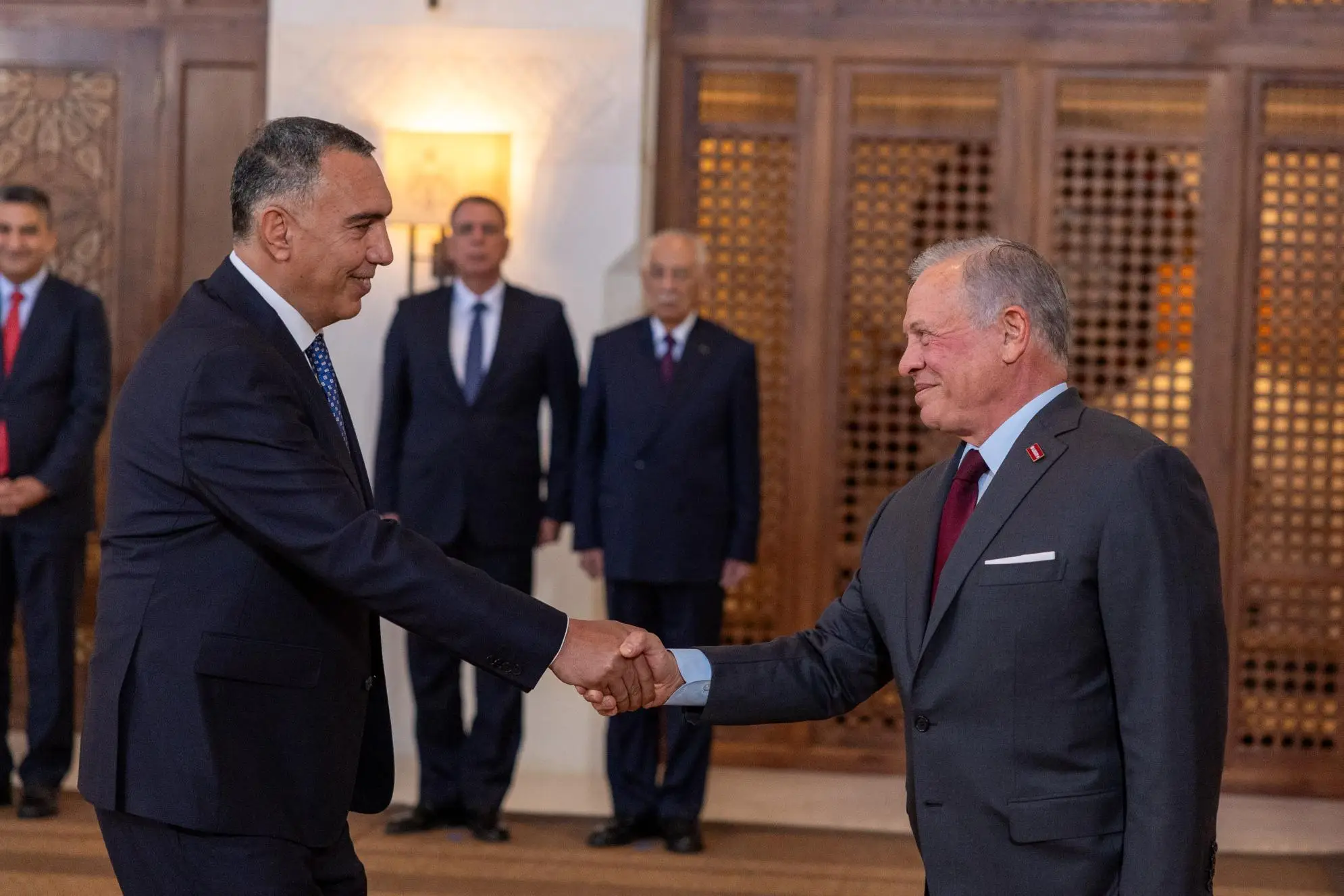
The statement highlighted the importance of partnerships and knowledge-sharing, pointing to cooperation with Jordan-based institutions, including the National Committee for Demining and Rehabilitation (NCDR) and the Arab Mine Action Consultancy Crew (AMACC).
Prince Mired Raad Al-Hussein, chair of the committee, has visited Baku, while experts from the organisations have participated in mine action conferences hosted by Azerbaijan.
Jordan’s experience as the first Arab country declared free of mined areas offers a model for effective clearance and post-conflict recovery, the statement noted.