
Dr. Fadi Maayah
Curtin University
Jordan Daily - Group G at the FIFA World Cup 2026 may not immediately attract the same headlines as some of the tournament’s more high-profile clusters, but a closer look reveals a group rich in tactical contrast, competitive balance, and potential for surprise. Featuring Belgium, Egypt, Iran, and New Zealand, this group represents a genuine test of adaptability in modern international football, where reputation alone offers no guarantees of progression.
At the centre of attention is Belgium, a side that has spent the past decade navigating the transition from its celebrated “golden generation” to a new era of emerging talent. Once considered perennial contenders, Belgium now arrive at this World Cup with a more balanced identity—less dependent on individual brilliance and more reliant on collective structure.
Their tactical framework continues to emphasise control through possession, intelligent midfield movement, and attacking versatility. However, the key question remains whether this evolving squad can maintain consistency under pressure. In previous tournaments, Belgium’s challenge has not been talent, but execution in decisive moments. Group G provides an opportunity to reassert their status, but it is far from a straightforward path.
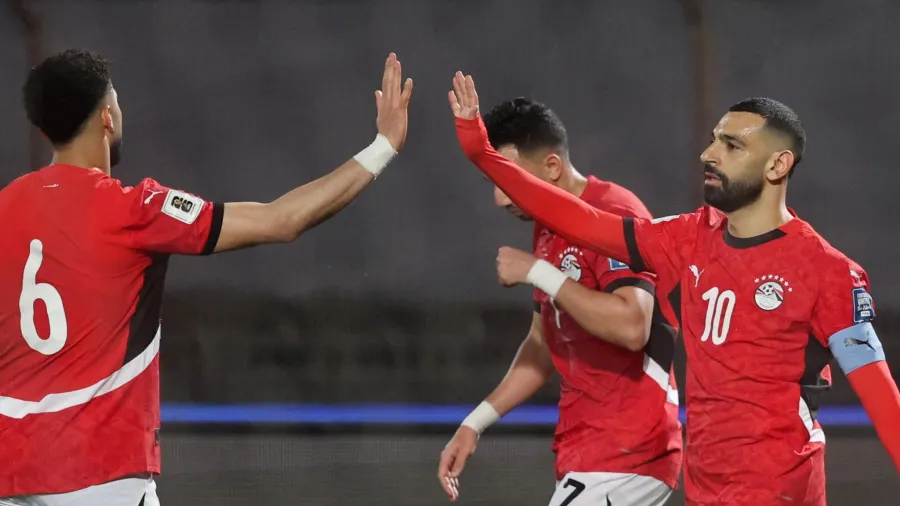
Egypt enters the group as one of Africa’s most recognisable and experienced sides on the global stage. Known for their defensive organisation and disciplined shape, they often build their game around compactness and structured transitions. Their approach is pragmatic, focusing on limiting opposition space and exploiting moments of opportunity, particularly through quick counter-attacks.
What makes Egypt particularly dangerous in tournament football is their ability to manage games effectively. Matches involving Egypt are rarely open, instead becoming tactical contests where margins are small and precision is critical. Against possession-based sides like Belgium, this could create a fascinating contrast between control and containment.
Iran offers another layer of tactical discipline within Group G. Over recent World Cups, they have developed a consistent identity built on organisation, resilience, and defensive structure. Rarely overexposed, Iran focuses on maintaining shape and frustrating opponents, often forcing games into tightly contested battles decided by isolated moments.
Their strength lies not in possession dominance, but in game management. Iran are comfortable without the ball, relying on compact defensive blocks and disciplined positioning. In a group where several teams prioritise structure, their ability to remain organised could be a decisive factor.
New Zealand completes the group as its most unpredictable element. Representing Oceania, they enter as clear outsiders, yet their presence introduces an important dynamic. In the modern World Cup format, even underdogs can shape outcomes, particularly when discipline and physical commitment come into play.
New Zealand’s approach is likely to emphasise defensive organisation, physical duels, and direct play. While they may not possess the technical depth of their opponents, their ability to remain compact and capitalise on set pieces or transitional moments could influence the group standings, especially in closely contested matches.
From a tactical standpoint, Group G is defined by structure and discipline. Belgium are expected to dominate possession and attempt to control the tempo of matches. Egypt and Iran will likely adopt deeper defensive blocks, focusing on minimising space and forcing errors. Meanwhile, New Zealand may prioritise compactness and direct transitions.
This creates a group dynamic where breaking down organised defences becomes the central challenge. Teams that can vary their attacking patterns, manage tempo effectively, and remain patient in possession are likely to find success. Conversely, those that struggle to convert control into clear chances may face unexpected difficulties.
The opening round of fixtures is likely to set the tone. Belgium’s first match will be crucial in establishing confidence and momentum, particularly as any early slip could shift the psychological balance of the group. At the same time, clashes involving Egypt and Iran carry significant weight, as these teams are likely competing directly for qualification positions.
As the group progresses, the tactical battle between Belgium and Egypt stands out as a defining encounter. It represents a classic contrast of styles: possession versus structure, creativity versus discipline. Similarly, matches involving Iran will test opponents’ patience, as breaking down their defensive organisation often requires precision and strategic variety.
The final matchday could prove decisive, particularly if the group remains tightly contested. With simultaneous kick-offs, scenarios where multiple teams are still in contention are highly likely. In such situations, game management, goal difference, and in-game decision-making become critical.
The expanded 48-team format adds further complexity. While the top two teams advance automatically, third place may still be enough to progress depending on overall performance across groups. This means that every point—and even every goal—carries increased importance throughout the group stage.
Ultimately, Group G is a reminder that modern international football is increasingly defined by tactical organisation and competitive balance rather than hierarchy alone. Belgium may enter as favourites, but Egypt, Iran, and even New Zealand possess the qualities to influence outcomes and challenge expectations.
In a tournament where margins are often minimal, Group G promises a series of tightly contested matches where discipline, adaptability, and execution will determine success. It is a group that may not be labelled the “group of death,” but one that could quietly deliver some of the most strategically fascinating football of World Cup 2026.