
Dr Fadi Maayah
Curtin University, Australia
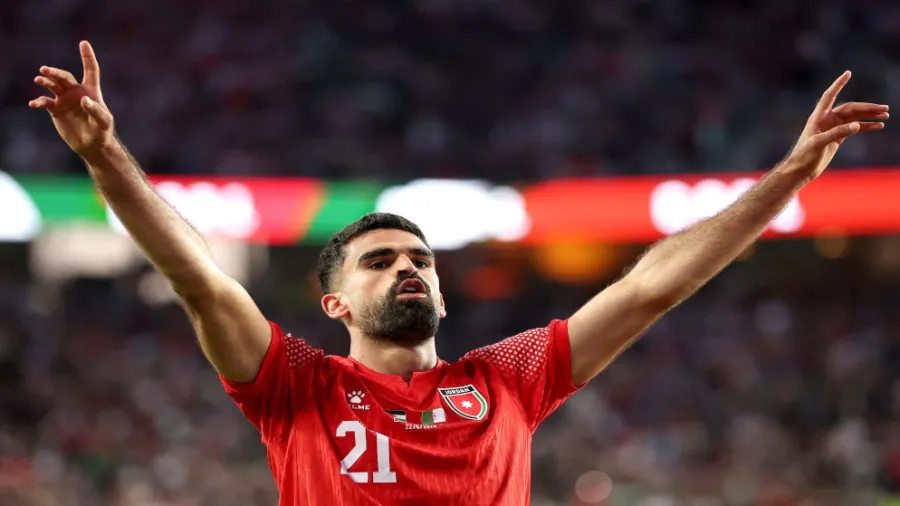
Jordan Daily - For long stretches of this contest, Al Nashama were true to their name, playing brave, proactive football that reflected both courage and tactical discipline. They often looked like the better-coached and more coherent side. Yet when the final whistle arrived, it was Algeria who walked away with a 2–1 win, keeping their World Cup hopes alive while ending Jordan’s campaign. Jordan took the lead through Nizar Al-Rashdan in the 36th minute, but Algeria turned the match around with goals from Nadhir Benbouali in the 69th minute and Amine Gouiri in the 82nd, both coming from corners.
This is why the match will be remembered as a painful tactical paradox for Al Nashama. In open play, Jordan were brave, organised and disciplined, executing their approach with conviction. In set plays, however, they were punished. The scoreline tells one story, but the flow of the game suggests another. For much of the night, Jordan imposed the clearer tactical identity, while Algeria ultimately found the one route Jordan could not fully close: dead-ball situations.
Jordan’s structure was the foundation of their strongest moments. Set up in a 1-3-4-3, they condensed central areas effectively, remained compact between the lines, and created a platform for controlled transitions. Mousa Al Tamari, Ali Olwan and Mahmoud Almardi supported Nizar Al-Rashdan and Noor Al-Rawabdeh in midfield, providing a consistent counter-attacking outlet with the support of Ehsan Haddad and Mohannad Abu Taha. The back three of Yazan Al-Arab, Husam Abu Dahab and Abdullah Nasib stayed narrow and disciplined to protect high-value spaces. The opening goal reflected this balance, with Abu Taha cutting the ball back to Al Tamari, who became involved before Al-Rashdan finished with composure to give Jordan a deserved lead.
What stood out most was Jordan’s bravery. They did not sit deep and absorb pressure passively. Instead, they defended with intent, stepped into key moments, and played forward whenever the opportunity emerged. Algeria may have dominated possession, but Jordan often controlled the rhythm of the contest. Their mid-block disrupted Algeria’s central progression, forcing play wide and limiting clear-cut chances. Every Jordanian transition felt purposeful, reinforcing their tactical clarity and collective belief.
However, World Cup matches are often decided by fine margins, and in this case, by corners. Algeria’s intensity increased after the break, and their adjustments shifted momentum. Nadhir Benbouali’s equaliser came from a well-delivered corner, exploiting timing and aerial presence. Later, another corner produced the decisive moment, with Amine Gouiri reacting quickest in a crowded penalty area to score from close range. These were not moments of open-play superiority, but of efficiency and execution in key phases.
Jordan’s defensive organisation in open play remained solid throughout, but in set-piece situations Algeria’s quality proved decisive. Delivery, movement and second-ball reactions created problems that Jordan could not fully resolve. In tournament football, such details can define outcomes, and Algeria capitalised when it mattered most.
There is no shame in Jordan’s performance. They were not outplayed structurally or mentally. On the contrary, Al Nashama demonstrated bravery, tactical organisation and composure against an opponent with more possession and attacking pressure. Their performance reflected a clear plan, executed with discipline and belief.
In the end, this was a match defined by two parallel truths. Jordan won the battle of open play through their bravery and structure. Algeria won the moments that mattered on the scoreboard. Al Nashama lived up to their identity, playing courageous and purposeful football, but the Desert Foxes showed the ruthless edge required at this level. Jordan’s shape and bravery gave them control for long periods, but Algeria’s dominance on corners ultimately decided the match.