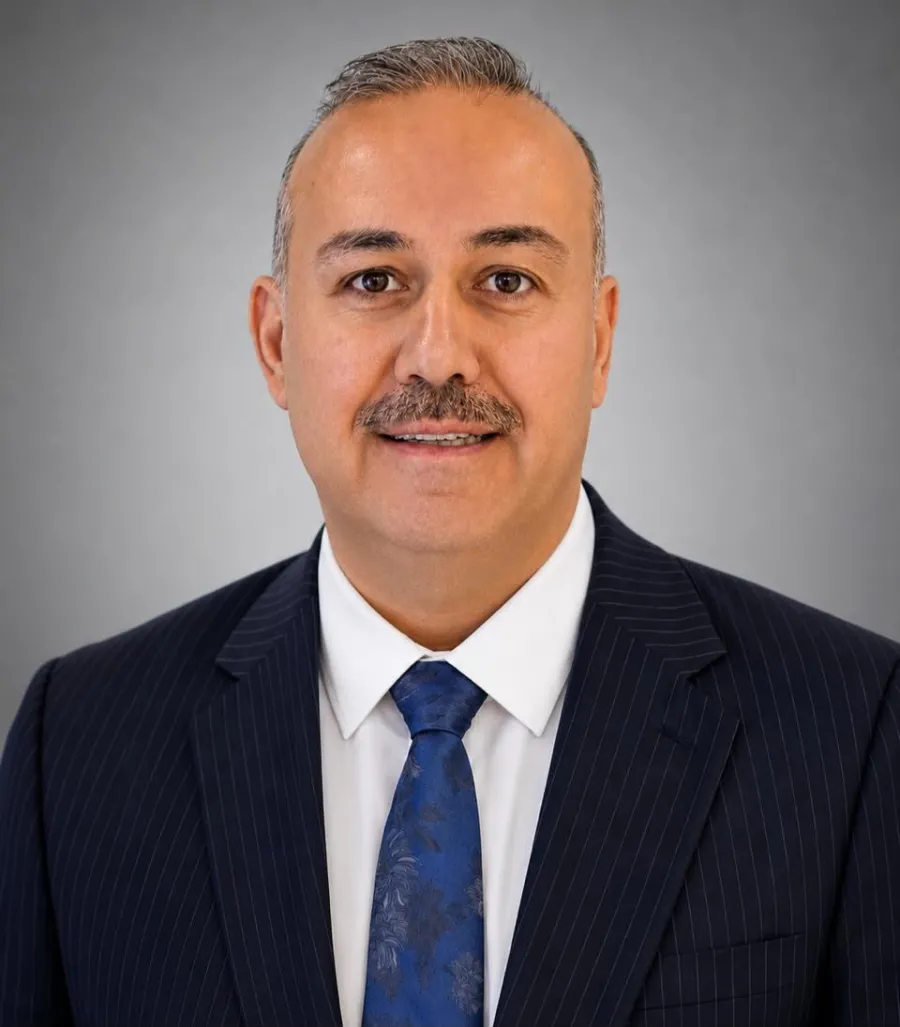


By: Dr. Haytham Ereifej
Jordan Daily - For years, Jordanians have spoken openly about corruption and the corrupt, holding them responsible for a significant part of the economic hardship the country faces today. They have linked corruption to alarming unemployment figures, administrative failure, weak planning, and the absence of a clear national vision capable of leading Jordan out of its crises.
For many citizens, corruption is no longer seen merely as a financial violation or an administrative mistake. It is viewed as a direct cause of lost opportunities, delayed projects, weakened public trust in institutions, and the widening gap between the citizen and the government.
When corruption involving a public official is discovered, the matter must not end with a quiet resignation, an administrative dismissal, or removal from public view, as though the problem disappears once the official leaves office. A corrupt official does not only steal money; he steals public trust, people’s hopes, the meaning of justice, and the dignity of the state. He also violates the oath and responsibility entrusted to him.
The most dangerous approach to corruption is to turn accountability into a formal procedure. An official leaves his position, the file is closed, and the real questions remain unanswered: Where did the money go? Who benefited? Who facilitated the wrongdoing? Who remained silent? Who provided protection? And who lost a rightful opportunity because of corruption?
Corruption rarely operates alone. Behind every corrupt act, there is often a network of interests, circles of protection, weak oversight, and suspicious silence. Therefore, confronting corruption cannot be achieved merely by changing individuals. It requires dismantling the system that allowed corruption to occur, continue, and escape punishment.
Jordanians are tired of seeing certain corrupt figures leave through the door of responsibility only to return through another window. They are tired of seeing major cases become temporary media stories without trials, without recovery of public funds, and without full disclosure to the public. This is dangerous because it creates a painful belief that the law is strict with the weak but hesitant when it faces the powerful.
A strong state does not fear opening corruption files. It fears closing them without accountability. The state does not become weaker when it holds a corrupt official accountable; rather, it becomes stronger, more respected, and more trusted by its people. What weakens the state is concealment, silent settlements, and soft resignations that replace justice.
We cannot seriously speak about economic, administrative, or political reform while corruption remains capable of escaping punishment. Nor can we ask citizens to be patient and make sacrifices while they watch those who looted, wasted, or failed walk away without consequence.
What is required today is clear: no immunity for the corrupt, no resignation in place of accountability, no administrative dismissal instead of justice, and no closure of any file before the truth is known and rights are restored. Fighting corruption is not a slogan. It is a real test of the state’s seriousness about reform.
Corruption is not a passing administrative error. It is a betrayal of public trust. Whoever betrays that trust should not simply leave office; he must be questioned, investigated, and held accountable. Everyone must understand that public office is a responsibility, not a prize; that public money is not available for personal use; and that the dignity of the state begins with its ability to hold accountable those who have harmed it.
This is the equation Jordanians are waiting for: accountability before forgetfulness, justice before settlements, and recovery of public funds before changing faces. Anything less will remain merely another chapter in the game of corruption.