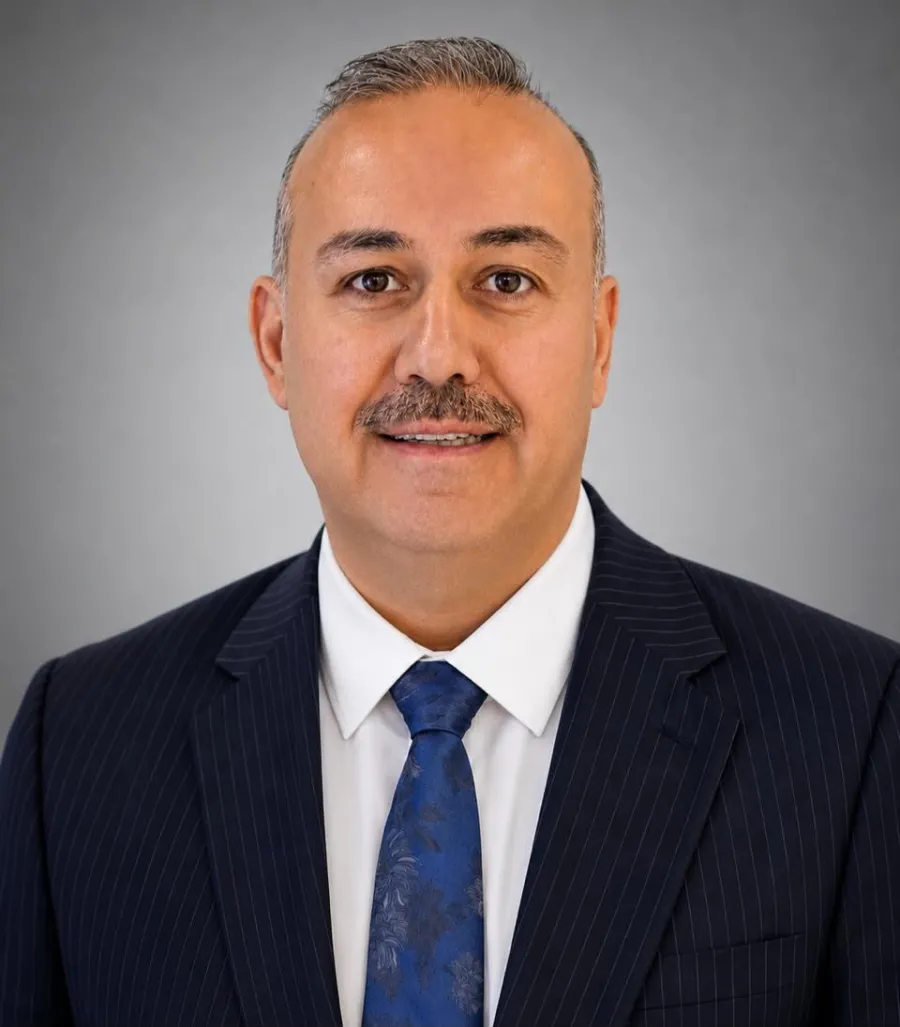


Dr Fadi Maayah
Curtin University
Jordan Daily - As Jordan reflects on its historic FIFA World Cup 2026 journey, one feeling stands above any disappointment about results: gratitude. Gratitude for a coach who transformed Jordanian football, inspired a nation to dream bigger, and showed that Al Nashama can compete on the world stage.
Thank you, Coach Jamal Sellami.
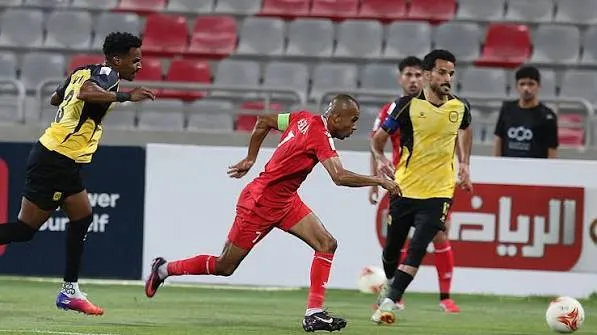
Jordan’s first-ever FIFA World Cup appearance should be remembered as one of the greatest achievements in the nation’s sporting history. Against Austria, Algeria, and Argentina, Al Nashama displayed discipline, organisation, resilience, and a clear tactical identity. While the results did not always favour Jordan, the performances demonstrated a team capable of competing with stronger and more experienced football nations. Jordan did not simply participate in the World Cup; they represented their country with courage, pride, and determination.
At the heart of this achievement was Jamal Sellami. Since taking charge in 2024, he guided Jordan to its first-ever FIFA World Cup qualification and led the nation to the FIFA Arab Cup Final. These accomplishments alone secure his place in Jordanian football history. More importantly, he established a clear football identity, raised professional standards, and built a culture based on discipline, humility, belief, and collective responsibility. Under his leadership, Jordan evolved from a team hoping to compete into one that genuinely believed it belonged among Asia’s strongest nations
In my opinion, it is genuinely sad to see Sellami leave at this stage of Jordan’s football journey. I believe he was the right coach to continue leading Jordan into the upcoming Asian Cup and the next World Cup cycle. Football often has a short memory. Expectations rise quickly, while achievements are sometimes forgotten too easily. Not long ago, qualifying for a World Cup seemed impossible. Reaching a FIFA Arab Cup Final was another remarkable milestone. Yet after the World Cup, much of the discussion centred on results rather than recognising the extraordinary progress Jordan had achieved under his leadership.
Many supporters are already looking ahead to the Asian Cup with great optimism. That confidence reflects the success of recent years, but major tournaments are never won on expectations alone. The Asian Cup includes some of the strongest teams in the continent, many with greater resources, stronger domestic leagues, deeper player pools, and decades of World Cup experience. Success is never guaranteed, and sustainable progress requires patience, planning, and long-term vision.
Sellami’s departure also comes at a challenging time. With limited preparation before the Asian Cup, Jordan faces important decisions about its future direction. The key question is not simply who the next coach will be, but what the long-term vision for Jordanian football should look like.
In my view, Jordan should already be planning beyond the next Asian Cup and focusing on the next World Cup cycle. The most successful football nations think strategically across multiple tournaments. Japan provides an excellent example, consistently integrating younger players while maintaining experienced leaders. Australia adopted a similar approach under Tony Popovic at the 2026 World Cup, introducing emerging talent while retaining experienced players to guide the transition.
Jordan could benefit from a similar model. The next Asian Cup should not only be viewed as a tournament to compete in but also as the starting point of the next World Cup project. This means maintaining key leaders such as Mousa Al Tamari, Ali Olwan, Yazan Al Naimat, and other senior players while creating greater opportunities for emerging young talent—something that Sellami had already started to implement. A balanced blend of youth and experience would help Jordan remain competitive while building for the future.
Equally important is the development of Jordanian coaches. Jordan has benefited enormously from foreign coaches, and Sellami’s achievements clearly demonstrate the value international expertise can bring. However, there should also be a deliberate pathway for Jordanian coaches to develop and eventually assume leadership roles when they are ready.
One coach who deserves consideration in any long-term succession strategy is Ahmad Abdel Qader. His achievement in leading Jordan to the FIFA U-20 World Cup in Canada in 2007 remains one of the landmark moments in Jordanian football. In my opinion, he is an outstanding leader with a deep understanding of Jordanian football and player development. With the right support staff and experienced assistants around him, he could play an important role in the future development of Al Nashama.
Ultimately, Jamal Sellami’s legacy should never be judged by three World Cup results. His legacy is far greater than that. He led Jordan to its first FIFA World Cup, guided the nation to a FIFA Arab Cup Final, established a clear tactical identity, and changed what Jordanian football believes is possible. Most importantly, he gave Jordan confidence, belief, and ambition.
As Jordan looks ahead, the foundations have been laid. The challenge now is to build on them through long-term planning, investment in young players, development of Jordanian coaches, and a vision that extends beyond the next tournament.
Thank you, Coach Jamal Sellami. Jordan’s loss may indeed become someone else’s gain. But your contribution to Jordanian football will never be forgotten. The future of Al Nashama remains bright because of the foundation you helped build. The next chapter now begins.