
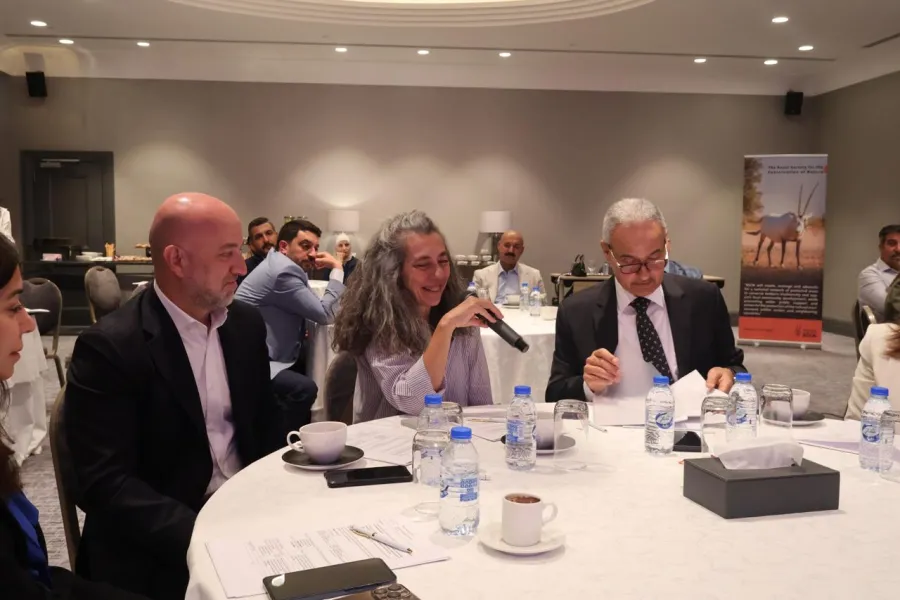
Jordan Daily - The Foundation for the Development of Lands Adjacent to the Baptism Site, in cooperation with the Royal Society for the Conservation of Nature (RSCN), held a consultative workshop to review the findings of the biodiversity assessment and ecological restoration technical framework prepared by RSCN regarding the lands adjacent to the Baptism Site.
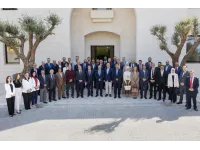
The workshop convened leading experts and representatives of national and international institutions to discuss technical proposals for strengthening biodiversity and safeguarding ecosystems, ensuring the area’s development is guided by sound science while respecting its natural, cultural and religious value. The input gathered will be used to refine the assessment findings through additional technical feedback before they are adopted during the project’s implementation phases.
The workshop underscores the Foundation’s commitment to developing the area adjacent to the Baptism Site in a manner that balances development requirements with environmental protection. By engaging national and international institutions and experts in shaping the project’s environmental framework, the Foundation is aligning the project with international environmental standards while reinforcing the area’s integration with the Baptism Site, a UNESCO World Heritage Site.
Participants included representatives of the United Nations Educational, Scientific and Cultural Organization (UNESCO), Ministry of Environment, Ministry of Agriculture, Ministry of Tourism and Antiquities, Jordan Valley Authority, United Nations Development Program (UNDP), United Nations Human Settlements Program (UN-Habitat), Green Climate Fund, Royal Botanic Garden, Jordan Free and Development Zones Group, Baptism Site Commission, Engicon and Wadi Society for Sustainable Ecosystem Development, alongside environmental and heritage specialists, local community representatives and a number of relevant governmental, national and international bodies.
The RSCN team presented the assessment’s principal findings, drawn from field surveys and comprehensive scientific evaluation, confirming that the area continues to retain significant environmental value despite the changes it has undergone over the years. The assessment documented native vegetation, wildlife habitats and both resident and migratory bird species. It also identified the key environmental challenges requiring intervention, namely the spread of invasive plant species that disrupt ecological balance.
The technical framework responded with a set of practical measures. These include removing invasive plant species and replacement planting with native species adapted to the conditions of the Jordan Valley; establishing ecological corridors to enhance habitat connectivity; developing walking trails; managing light and noise; improving visitor mobility; and launching a long-term ecological monitoring program. Together, the measures aim to protect biodiversity and elevate the visitor experience without compromising the site’s environmental character.
The workshop discussions also gave participants the opportunity to comment on the suggested measures and share their technical observations and recommendations on the proposed environmental framework. Their feedback will help refine the framework and promote the effectiveness of the measures it sets out ahead of its adoption during the project’s implementation phases.
Commenting on the workshop, H.E. Dr. Tharwat Al Masalha, Chairman of the Board of Trustees of the Foundation for the Development of Lands Adjacent to the Baptism Site, stated, “Preserving the natural environment of the development area is fundamental to our vision, because it is inseparable from the religious, historical and human value of the Baptism Site itself. This assessment gives us a scientific reference to guide the planning and environmental decisions ahead, and boosts our ability to create a place that welcomes visitors and pilgrims within an environment that protects its natural character and reflects the standing of the Baptism Site as one of the world’s foremost heritage sites and Christian pilgrimage destinations.”
Batool Al Ajlouni, RSCN President of the Board of Directors, added that RSCN takes pride in partnerships of this kind, which reflect its national role in protecting and strengthening biodiversity – particularly in places that hold exceptional biodiversity value and globally distinctive cultural significance, such as World Heritage sites.
The partners agreed to continue working closely to complete the environmental framework, taking into account the technical observations raised, before its adoption during the implementation phases of the development area, in a manner that secures its sustainability and supporting role as an environmental and developmental extension of the Baptism Site.