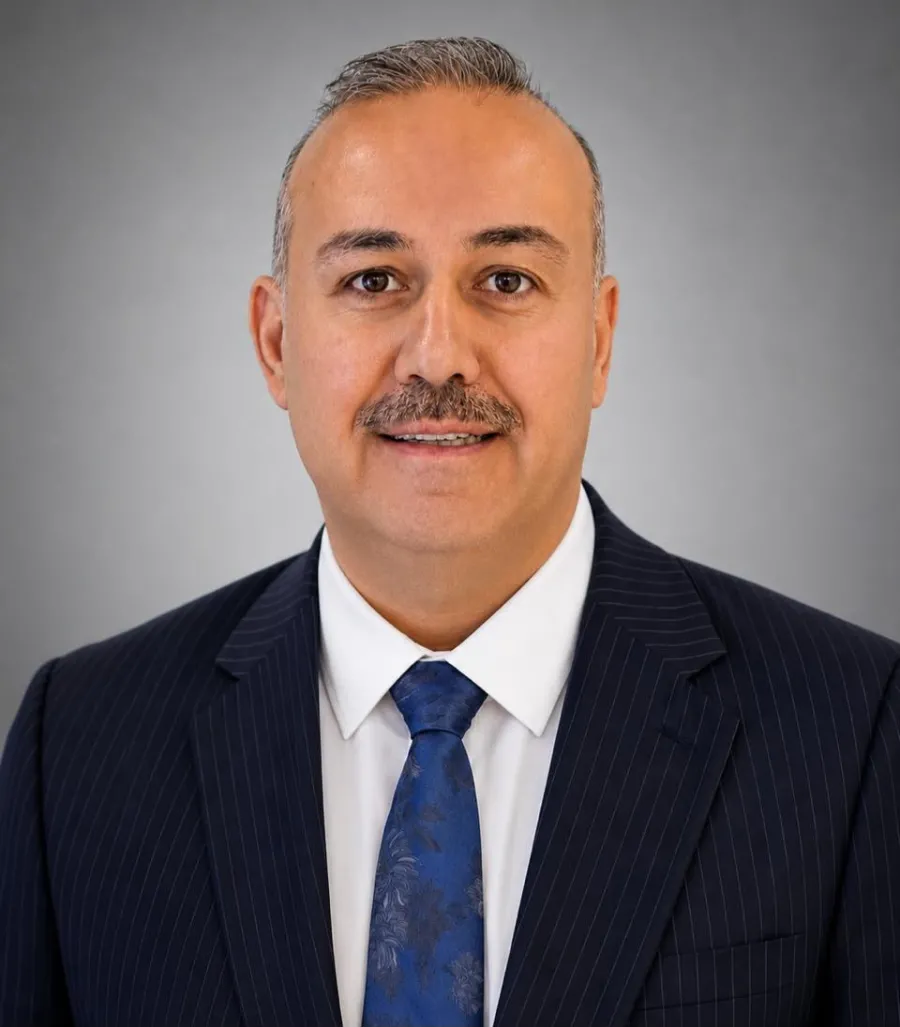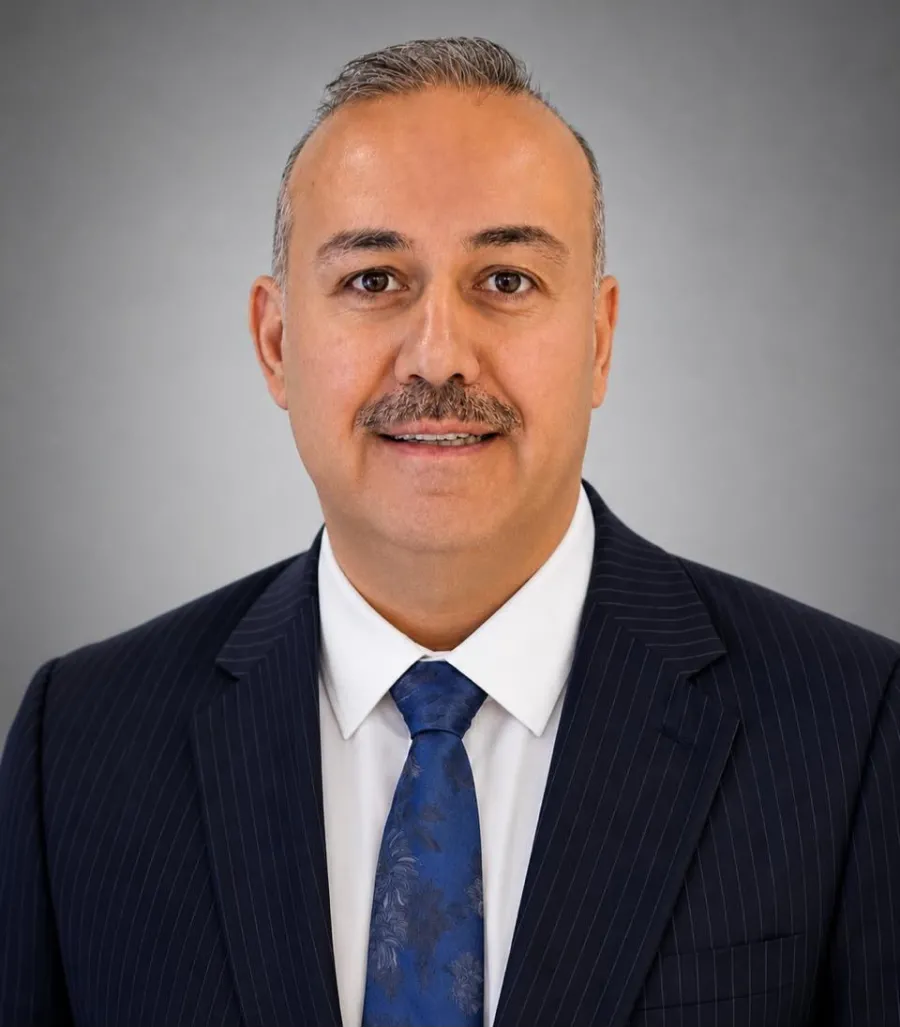


Dr. Haytham Ereifej
Managing Partner, Ereifej & Partners International Law Firm
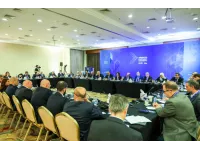
Jordan Daily- The Jordan–European Investment Conference is being held at the Dead Sea, bringing together officials and investors from Jordan and Europe to discuss more than 40 investment opportunities with a combined value exceeding $15 billion. The opportunities span vital sectors, including transport and logistics, energy, water, education and industry. This figure represents the value of the opportunities on offer; their true success will be measured by how many become funded projects that are actually carried out.
Examples reflecting the range of these opportunities include a national railway for freight, dry ports and logistics hubs, a project to reduce water losses in Amman, and renewable energy storage projects. Railways and logistics hubs could help lower transport costs, connect ports with markets and facilitate trade. Water projects could improve network efficiency and reduce waste, while energy storage could make better use of renewable electricity.
These projects can benefit the economy by increasing productivity, lowering production and transport costs, and creating opportunities for industry and exports. They may also attract suppliers, service providers and supporting businesses, extending their impact across the local economy. However, it is not possible to calculate a specific contribution to GDP before the cost, funding sources, feasibility and domestic value added of each project are known.
Realizing these opportunities requires a balanced partnership between the public and private sectors. The private sector can contribute financing, expertise and management, while the state sets public objectives, protects the public interest and ensures service quality. Successful partnerships need a clear allocation of risks and responsibilities, transparent contracts, oversight of implementation and accountability for results—while preserving the state’s role in sectors that provide essential services.
Creating jobs for Jordanians should be an explicit part of these partnerships. This means setting measurable targets for employment, training and knowledge transfer, and connecting projects with universities, vocational institutes and local businesses. A project cannot achieve its full impact if its jobs, expertise and contracts remain outside the national economy. Investment that creates opportunities for young people, develops their skills and gives Jordanian companies room to participate will have a broader and more lasting impact.
Presenting investment opportunities is not enough to attract investors. Jordan also needs a practical business environment with clear procedures and timely approvals, where projects are not held up after contracts are signed. This requires defined timeframes for permits and approvals, coordinated government points of contact, one-stop services, stable regulations, respect for contractual commitments and fair mechanisms for resolving disputes.
Jordan has a strategic location, skilled people and significant opportunities in sectors the economy needs. The challenge is to present these strengths with confidence and clarity, and to make the conference the starting point for serious partnerships—not simply a platform for announcements. Such partnerships should contribute to economic growth, create jobs, improve services and deliver results that people can see in their daily lives.