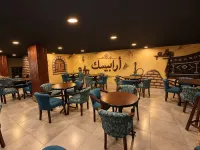

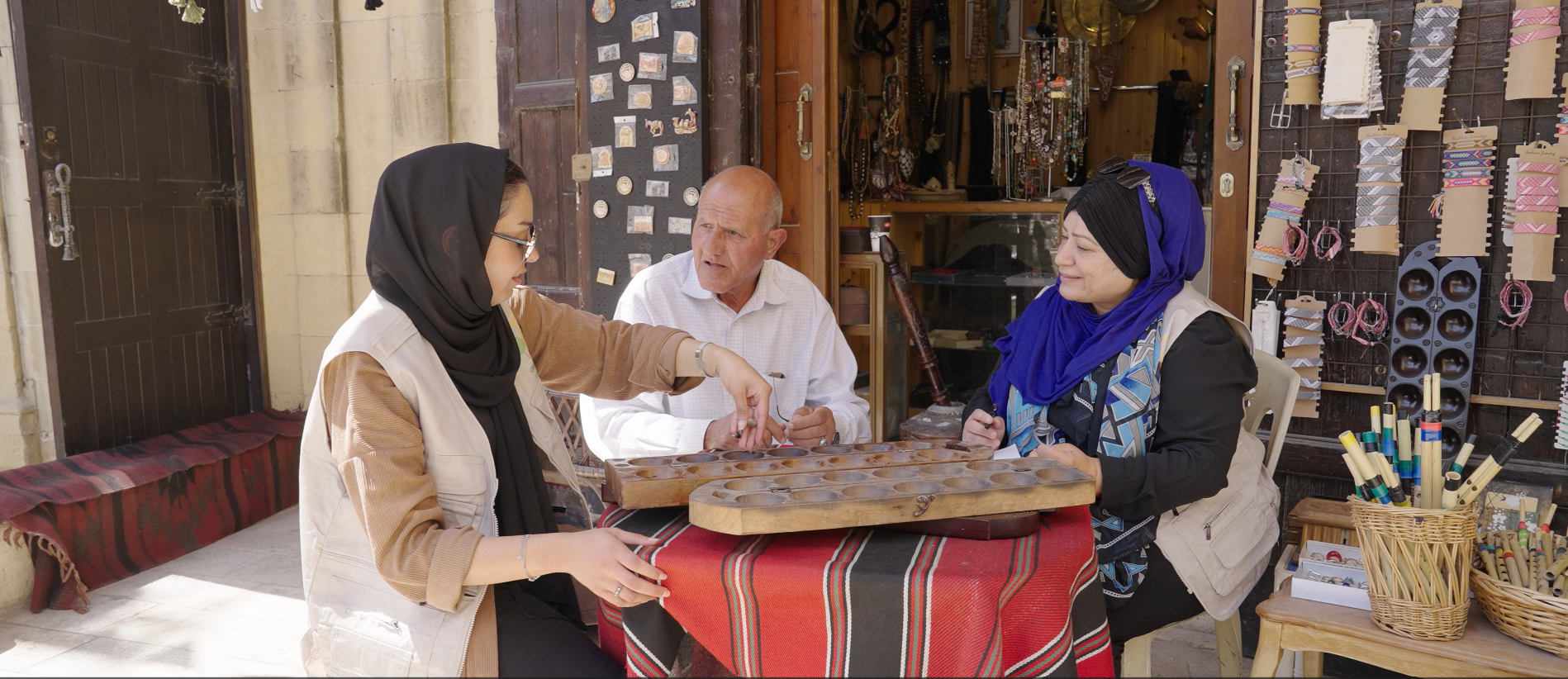
Jordan Daily - In Manqala, a traditional board game played with seeds, the seeds pass from hand to hand the way they have for generations in As-Salt. It is a game most residents grew up watching or playing, without necessarily thinking of it as heritage. But for local guide Odai Arabiat, it recently became something else: a subject worth studying with the same rigour as any historical monument.
"There are researchers and enthusiasts who have spent 10 or 15 years documenting Manqala," Odai says. "The material is rich, and the people who hold that knowledge are still here; that's what made me want to record it in the finest detail."
Photos/ UNESCO
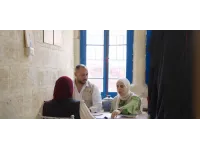
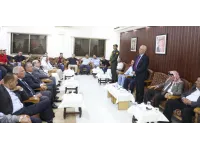
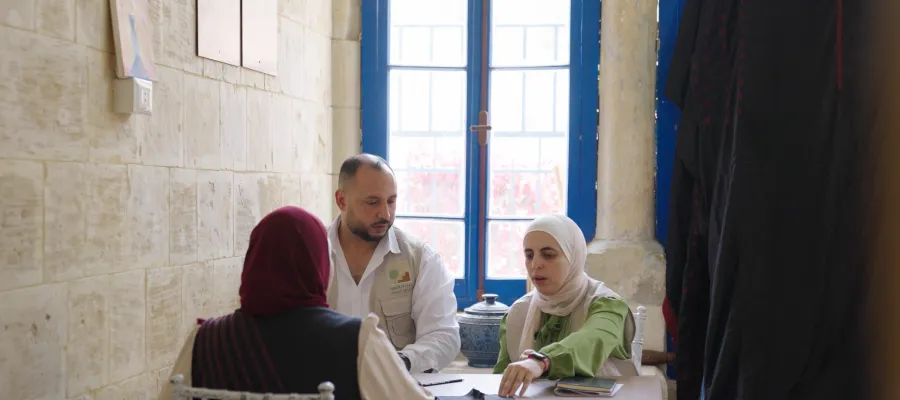
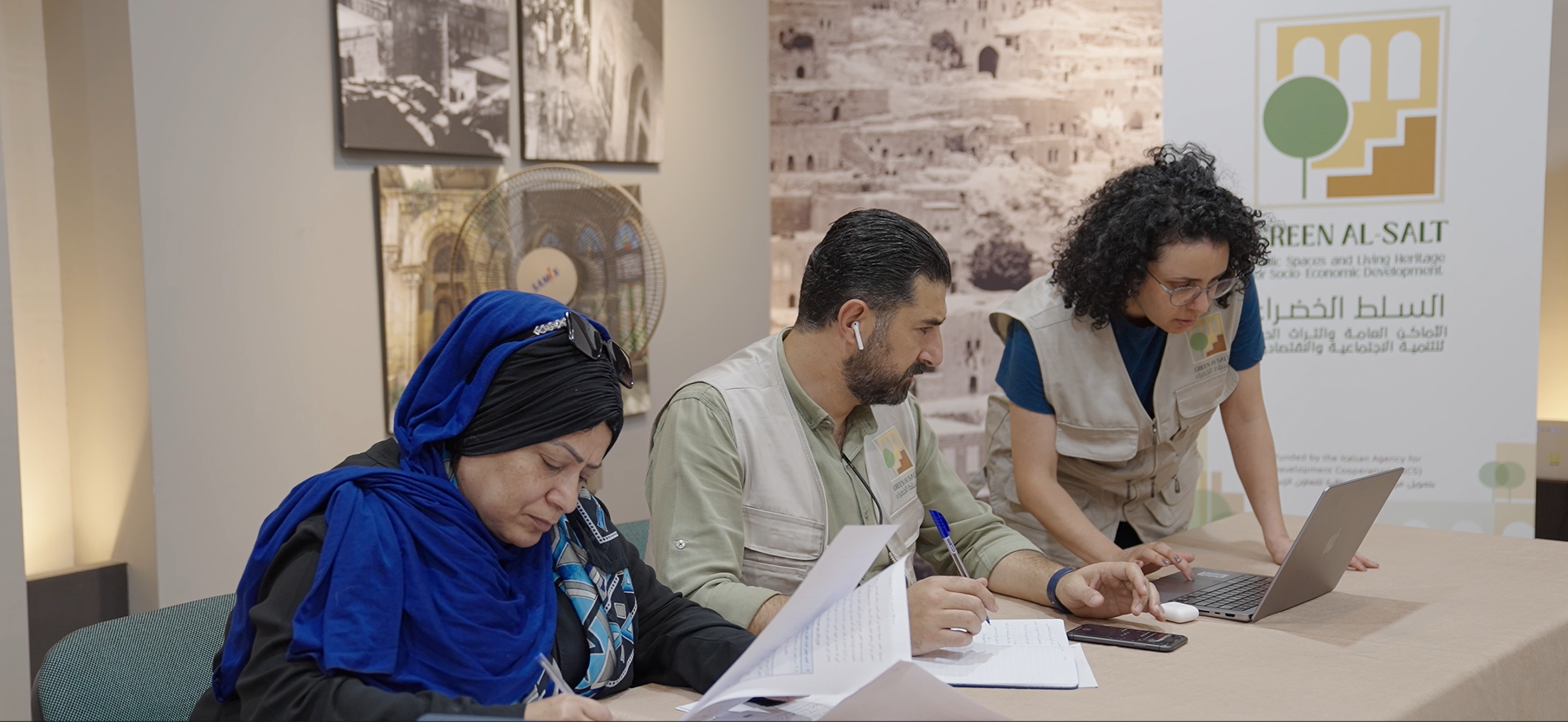
Odai is one of 15 As-Salt residents, tour guides, architects, and recent university graduates who spent 6 days learning to document the traditions that make their city more than its stone, from crafts and foods to games, stories, and social customs.
As-Salt was inscribed on the UNESCO World Heritage List in 2021 as “The Place of Tolerance and Urban Hospitality,” recognized for a dense urban fabric where homes, faiths and daily life have long intertwined. But safeguarding the city means looking beyond its buildings to the knowledge, skills and practices carried by its residents.
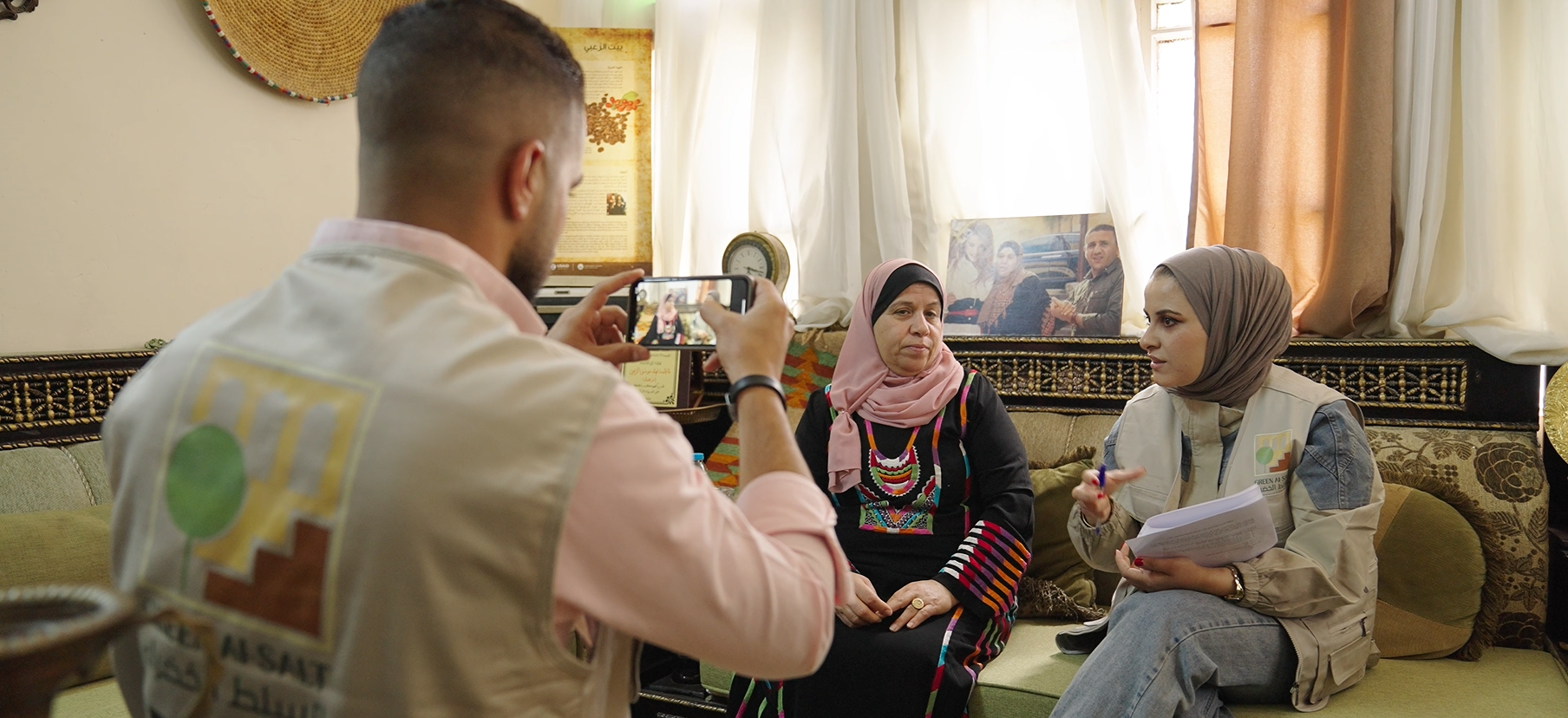
Through the Green Al-Salt project, implemented with UN-Habitat and supported by the Italian Agency for Development Cooperation, UNESCO trained residents to document their own living heritage using the methodology of the 2003 Convention for the Safeguarding of the Intangible Cultural Heritage.
The training did more than introduce a new methodology. It changed how participants understood the heritage they encountered every day.
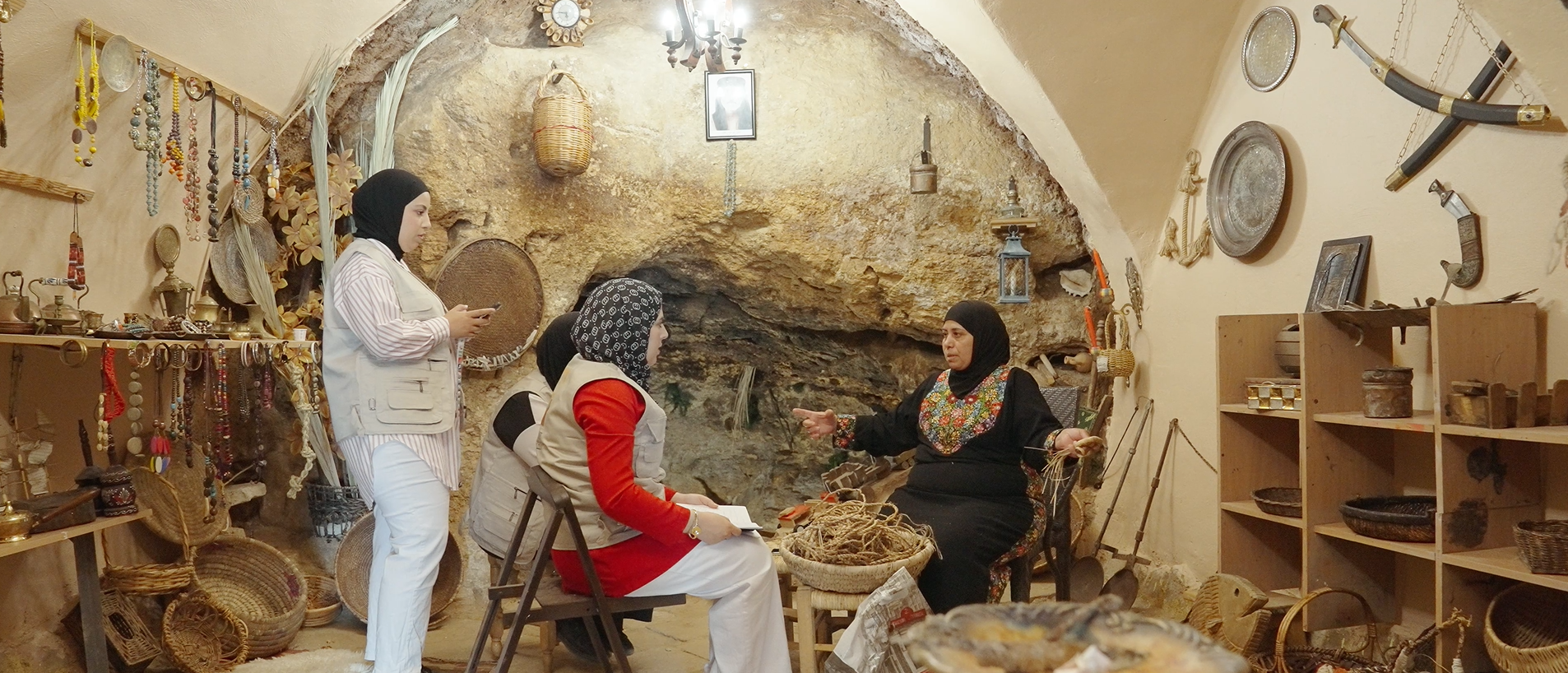
For architect Bayan Qtishat, the training offered a new perspective on practices and traditions she had long known. "These are elements we already use every day, they're part of our daily life, not something new to us," she says. What surprised her instead was the fieldwork itself: engaging directly with practising craftspeople and hearing them describe their traditions in their own words. “The field experience is what really helped me understand heritage documentation," she says, an experience she now hopes to carry into her own architectural designs, working traditional features, such as wooden doors, back into new construction.
Isra Zoubi, an agricultural engineer, described a similar shift. “We used to see these elements, but we never really felt their value until we took this training,” she says. Familiar everyday practices began to take on new significance. “Now we feel like this could become part of As-Salt's identity.”
For tour guide Shaima Abu Taleb, the 6-day training went one step further: it helped her see that she could play a role in safeguarding the heritage herself. " It created a motivation in me," she says, "that in my current position, I could actually have a real role in preserving this heritage for my city."
Working street by street and practitioner by practitioner, the group documented 25 elements of As-Salt's intangible cultural heritage over 1 month: crafts such as pottery, rug weaving and basketry; oral traditions including chanting and storytelling; foods such as Shrak bread, Jameed and Samn baladi; and social customs from Manqala to traditional women's dress, Madraga and Khalga.
The inventory is more than a record of As-Salt's living heritage. It provides a foundation for safeguarding it. For these 15 residents, learning to see what has always been there became a first step towards keeping As-Salt's living heritage alive.
Read more: [Green Al-Salt project] | UNESCO 2003 Convention for the Safeguarding of Intangible Cultural Heritage