
By: Faris Al Hadidi
Jordan Daily - Jordan’s 2027 budget is being prepared at a time when must pursue several goals at once. It needs to support economic modernization, improve public services and protect households facing cost of living pressures. At the same time, it must contain spending, reduce the fiscal deficit and bring public debt down over time.
The main challenge is not simply to spend more or spend less. It is to protect households, fund projects that raise the economy’s productive capacity, and keep public finances on a credible path.
These goals can appear to conflict. In practice, the quality of the budget will depend on how well they are connected. Fiscal discipline should not mean cutting every form of spending, just as modernization should not become a label attached to projects with uncertain economic returns. The central question is whether public resources can be directed toward priorities that improve living standards and strengthen the economy without weakening fiscal sustainability.
The government’s budget circular provides an early indication of that balancing act. It calls for greater capital expenditure and social protection spending, alongside spending restraint and efforts to reduce the primary deficit and public debt, which all are usually mentioned. It also sets macroeconomic assumptions of 3.1% real GDP growth in 2027 and 2.3% inflation. These are projections, not outcomes, and the circular is a framework for preparing the budget rather than the final budget law.
The distinction matters. A budget can include ambitious objectives and still fall short if projects are delayed, spending is not linked to measurable results, or operating costs crowd out investment. The test is not only how much the government allocates, but whether the funds are used on time and produce lasting improvements.
Jordan enters this process with some positive indicators. The economy grew by 3% year on year in the second quarter of 2026, while inflation averaged 2.26% during the first nine months. These figures point to resilience, but they do not by themselves answer the questions that matter to households and businesses: whether growth is creating enough jobs, raising incomes and encouraging private investment. Especially now so we have a high oil price affecting all the living cost.
This is why capital spending deserves close attention. Investment in water, transport, energy, health and education can support economic activity now and improve the economy’s capacity later. But the word “capital” does not automatically make spending productive. Projects need to be selected on the basis of clear economic and social benefits, realistic cost estimates and the ability to complete them. A project that remains on paper cannot improve services, create business opportunities or increase productivity.
Implementation is equally important. When projects begin late, the economy loses part of their potential benefit, while the budget may still carry costs. Strong preparation, transparent procurement and regular reporting can help ensure that public investment moves from allocation to completion. For major projects involving public private partnerships (PPP), the government should be clear about the risks each party carries and the long-term obligations that may fall on the state
Social protection is another essential part of the budget, particularly when some households have limited room to absorb higher living costs. The circular includes an additional monthly payment of JD30 for public-sector employees, military personnel and civil and military retirees whose gross monthly income is below JD600, alongside regular annual increases.
Such measures can provide direct support and help sustain household spending. Their effectiveness, however, depends on how well they reach people facing the greatest pressure and how they fit within the overall fiscal framework. Social protection should be judged by its impact, not only by the size of its allocation. Support that helps people manage temporary hardship is valuable; programs that also improve access to health, education and employment can contribute to stronger long-term outcomes.
The budget process should also make clear how the government intends to pay for its priorities. If new commitments are funded mainly through borrowing, the short-term relief or investment may come with higher debt-service costs later. If they are financed through better revenue collection and more efficient spending, the trade-off may be more manageable. Strengthening public finances does not require treating every expenditure as equally expendable. It requires distinguishing between spending that delivers lasting public value and spending that can be reduced, delayed or redesigned.
This is where public-sector modernization should make a practical difference. Better digital services, stronger planning and procurement, and clear performance measures can help government agencies use limited resources more effectively. Modernization should not be measured by the number of strategies, systems or new initiatives announced. It should be measured by whether people receive better services, businesses face fewer obstacles and government programs achieve their intended results.
The economic forecasts in the budget framework are useful for planning, but they also carry uncertainty. External conditions, energy prices, regional developments and the performance of trading partners can affect growth, inflation and government revenue. A sound budget should therefore be built around realistic assumptions and leave room to respond if conditions change. That does not mean avoiding commitments; it means making them affordable under more than one scenario.
The measure of success will not be whether the budget promises modernisation, protection and discipline at the same time. It will be whether it translates those promises into completed projects, better services, meaningful support for households and a credible path for public debt. That is how a budget can address today’s needs while expanding the country’s options for tomorrow.
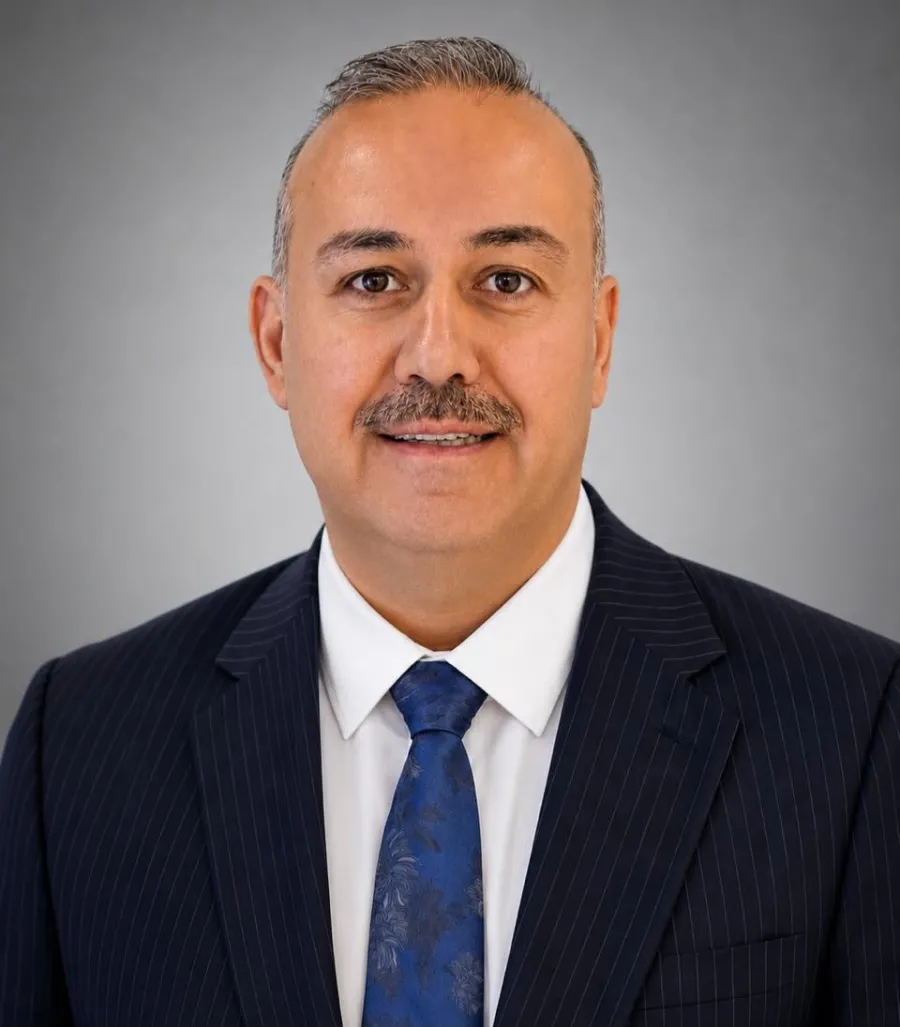
Faris Al Hadidi is an economist and banker.