
By: Waleed Habahbeh
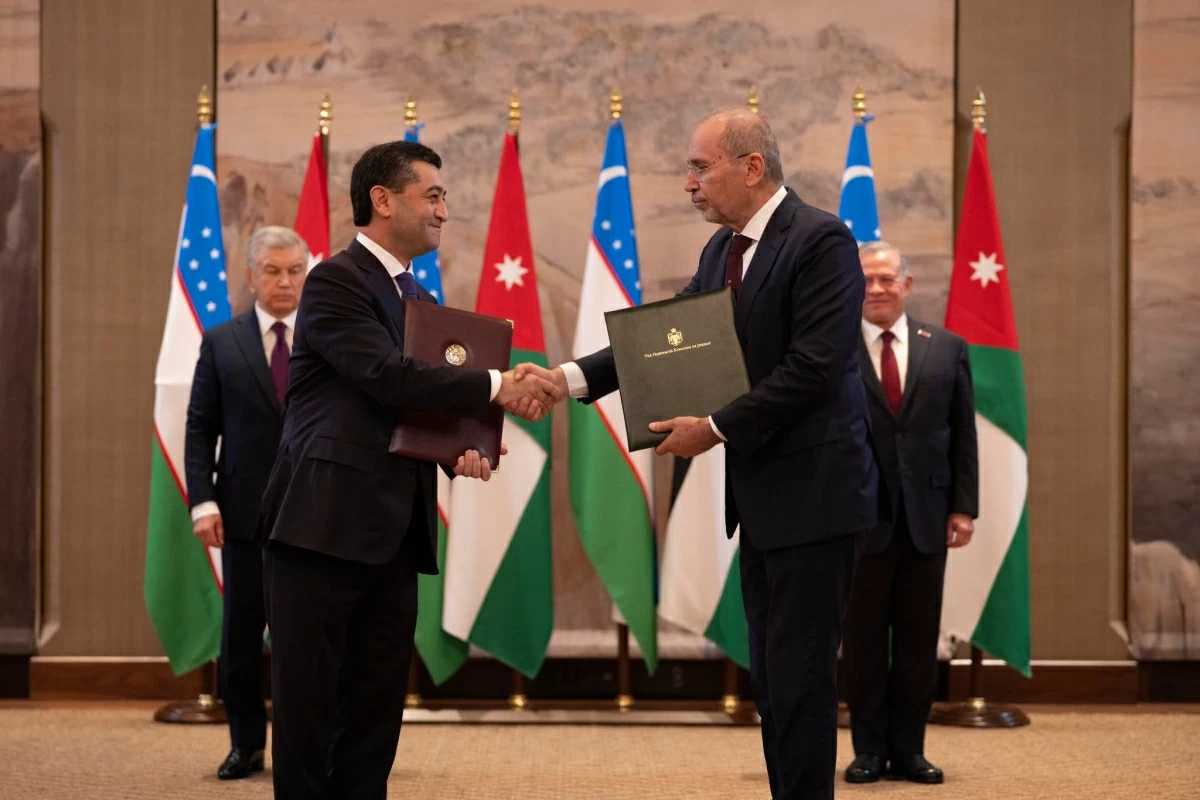
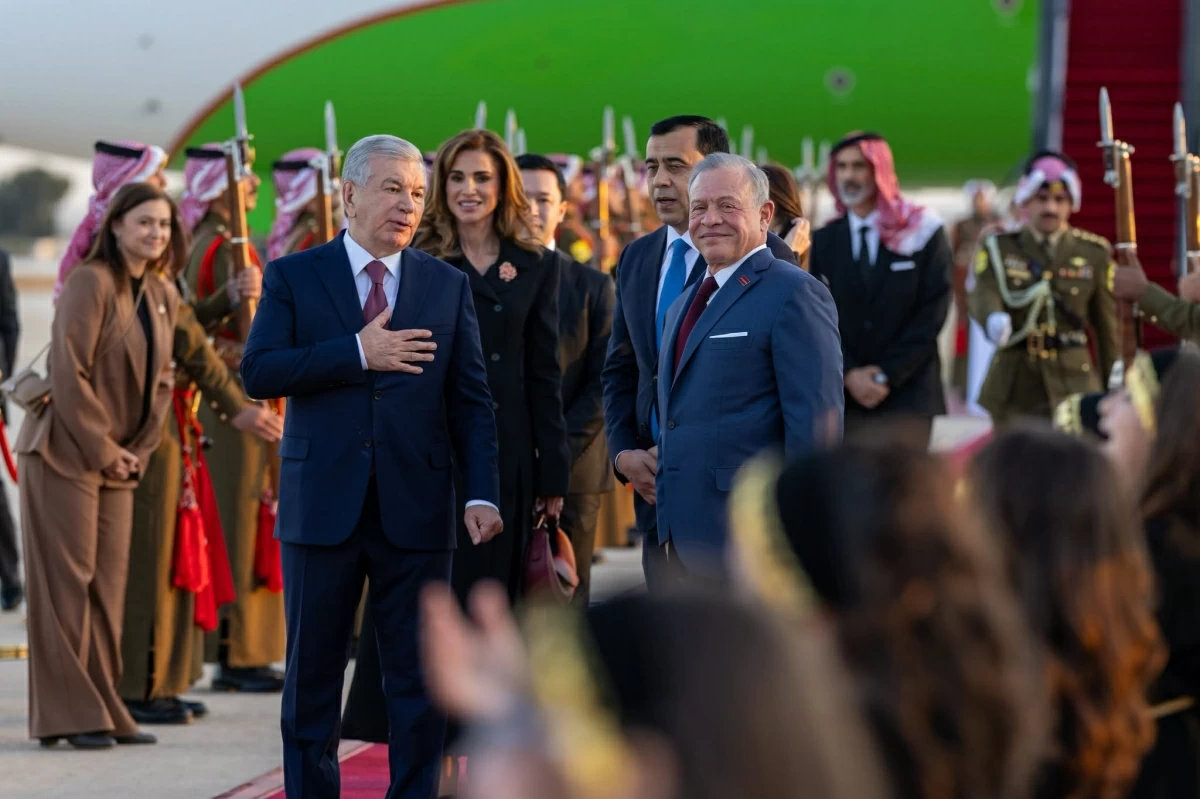
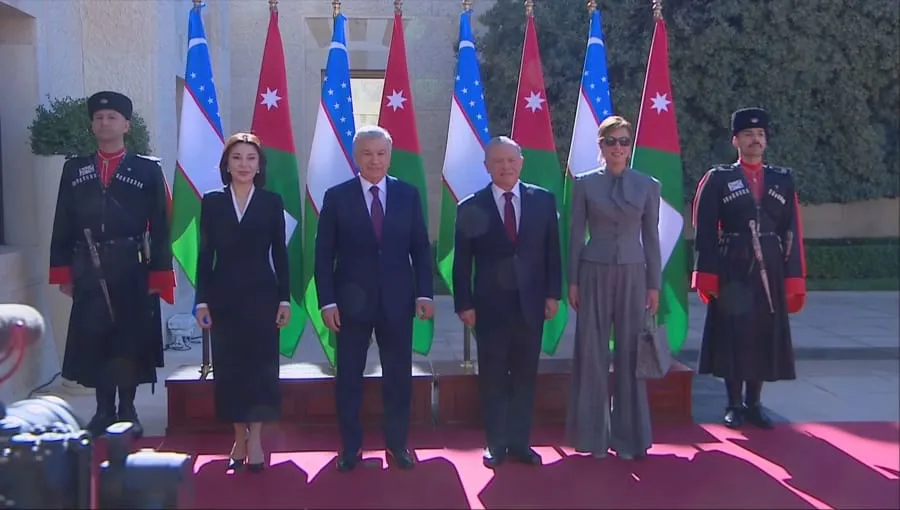
Jordan Daily - The Jordanian-Uzbek talks held today at Al-Husseiniya Palace between His Majesty King Abdullah II and President of the Republic of Uzbekistan Shavkat Mirziyoyev carry strategic dimensions that transcend diplomatic protocol, laying the foundation for a new phase of economic and intellectual integration between two nations united by a rich civilizational heritage and a shared vision anchored in moderation, respect for international law, and intercultural dialogue.
A Convergence of Visions on Protecting the Humanistic Values of Islam
At a time when international debates surrounding Islam are increasingly overshadowed by issues of extremism, Jordan and Uzbekistan stand out as closely aligned models in presenting the authentic, enlightened narrative of Islamic civilization. While the Kingdom, under His Majesty's leadership, spearheads global initiatives that foster tolerance, interfaith harmony, and moderation, Uzbekistan—the historic land of Transoxiana and home to legendary centers of learning such as Samarkand and Bukhara—is moving swiftly to revive the scientific and humanistic legacy of Islamic civilization. This commitment has materialized in the establishment of the Islamic Civilization Center in Tashkent and the convening of the First International Forum on Islamic Civilization, bringing together hundreds of scholars and researchers.
This intellectual alignment is no mere coincidence; it reflects the convergence of two wills that firmly believe the true essence of Islam rests on enlightenment, knowledge, and peaceful coexistence. This cultural and religious dimension was clearly underscored by the presence of His Royal Highness Prince Ghazi bin Muhammad, Chief Advisor to His Majesty for Religious and Cultural Affairs, at the summit's ceremonies and discussions—affirming that cultural and religious diplomacy serves as a cornerstone of the rapprochement between Amman and Tashkent.
From Shared Values to a $1.5 Billion Partnership
The significance of today's summit extends well beyond political and ideological alignment—where His Majesty reaffirmed a shared belief in diplomacy, regional de-escalation, and the pursuit of a just peace—translating this convergence into tangible economic figures and projects that mark a qualitative leap in bilateral ties.
Following His Majesty's visit to Uzbekistan last year, bilateral trade surged by 80 percent, a direct flight route was inaugurated, and a joint business council was established. Today, President Mirziyoyev's inaugural visit to the Kingdom is crowned by an ambitious Uzbek announcement to implement approximately 40 investment projects in Jordan with a total value of $1.5 billion, spanning vital sectors including industry, textiles, pharmaceuticals, chemicals, education, and healthcare.
Strategic Timing and the Symbolism of Mutual Honors
The Al-Husseiniya Summit coincides with Uzbekistan's celebration of the 35th anniversary of its independence, amid a comprehensive reform and development drive led by Tashkent to open up to the world and reclaim its historic role as a bridge for civilizational and commercial exchange. Conversely, Jordan—with its strategic location, stability, and skilled human capital—offers an ideal gateway for Uzbek investments into regional markets.
The exchange of high-level state decorations between the two leaders—with His Majesty bestowing the Collar of Al-Hussein bin Ali upon President Mirziyoyev, and receiving the Order of Friendship (Dustlik) in return—reflects deep mutual esteem and underscores that relations between Amman and Tashkent have evolved into a model partnership blending historical authenticity with pragmatic economic interests.
Ultimately, today's summit charts a clear roadmap for a comprehensive bilateral relationship: a partnership that invests in trade and economic growth to serve mutual development, while drawing upon a shared civilizational and humanistic legacy that champions knowledge, moderation, and peace in a world fraught with crises.