
Jordan Daily - On World Diabetes Day, Médecins Sans Frontières (MSF) warns that difficulty accessing medicines, blood sugar testing and regular follow-up puts people living with diabetes in Syria at risk of serious complications. Years of conflict have weakened the health system, and shortages of staff, medicines and specialised services, along with long journeys and high transport costs, make it difficult for many patients to stay in care.
The International Diabetes Federation estimated that 2.2 million adults in Syria were living with diabetes in 2024. MSF supports the Ministry of Health to provide diabetes care in 10 of Syria’s 14 governorates. In 2025, MSF-supported facilities in Syria provided around 70,000 diabetes consultations.
“In Syria, diabetes does not wait for the country to recover,” says Dr Ahmad Eid, MSF Medical Doctor Supervisor. “A missed refill or missed follow-up can turn a stable condition into an emergency very quickly.”
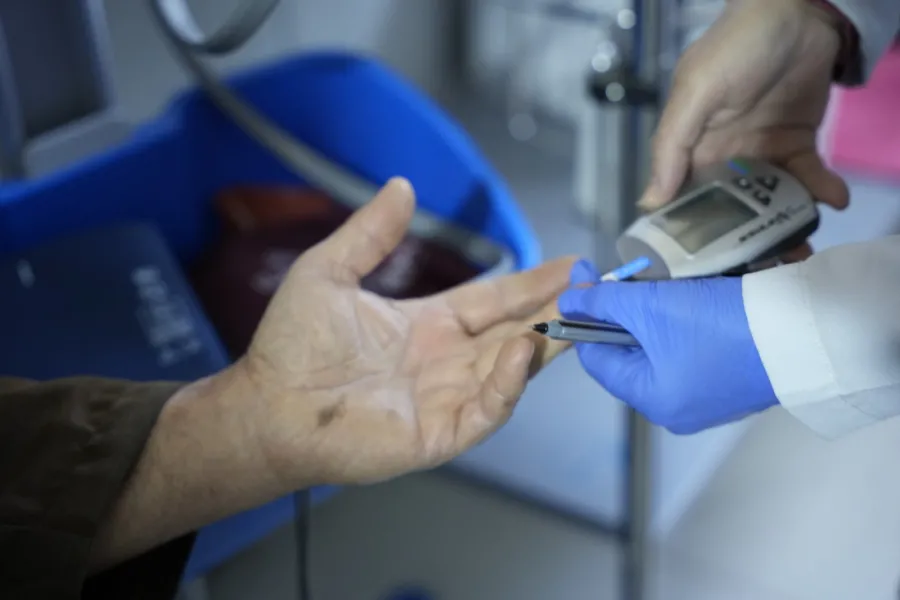
People living with diabetes need regular consultations, blood sugar monitoring, support to manage their condition and timely treatment for complications. Delayed diagnosis or interruptions in treatment can cause a patient’s condition to deteriorate.
“I have had diabetes for more than ten years. We live far from the clinic, in the Ghiweran neighborhood. I am blind, so I cannot come on my own and sometimes have to ask people to bring me,” says Mohammad Awad, who receives treatment at Al Nashwa clinic. “I take insulin and receive treatment at Al Nashwa clinic. They provide diabetes medication and carry out medical tests. Tests outside the clinic are very expensive, but here they are free, along with the medication.”
MSF calls for people living with diabetes in Syria to have reliable access to medicines, testing and follow-up, and to receive timely care when complications arise.