

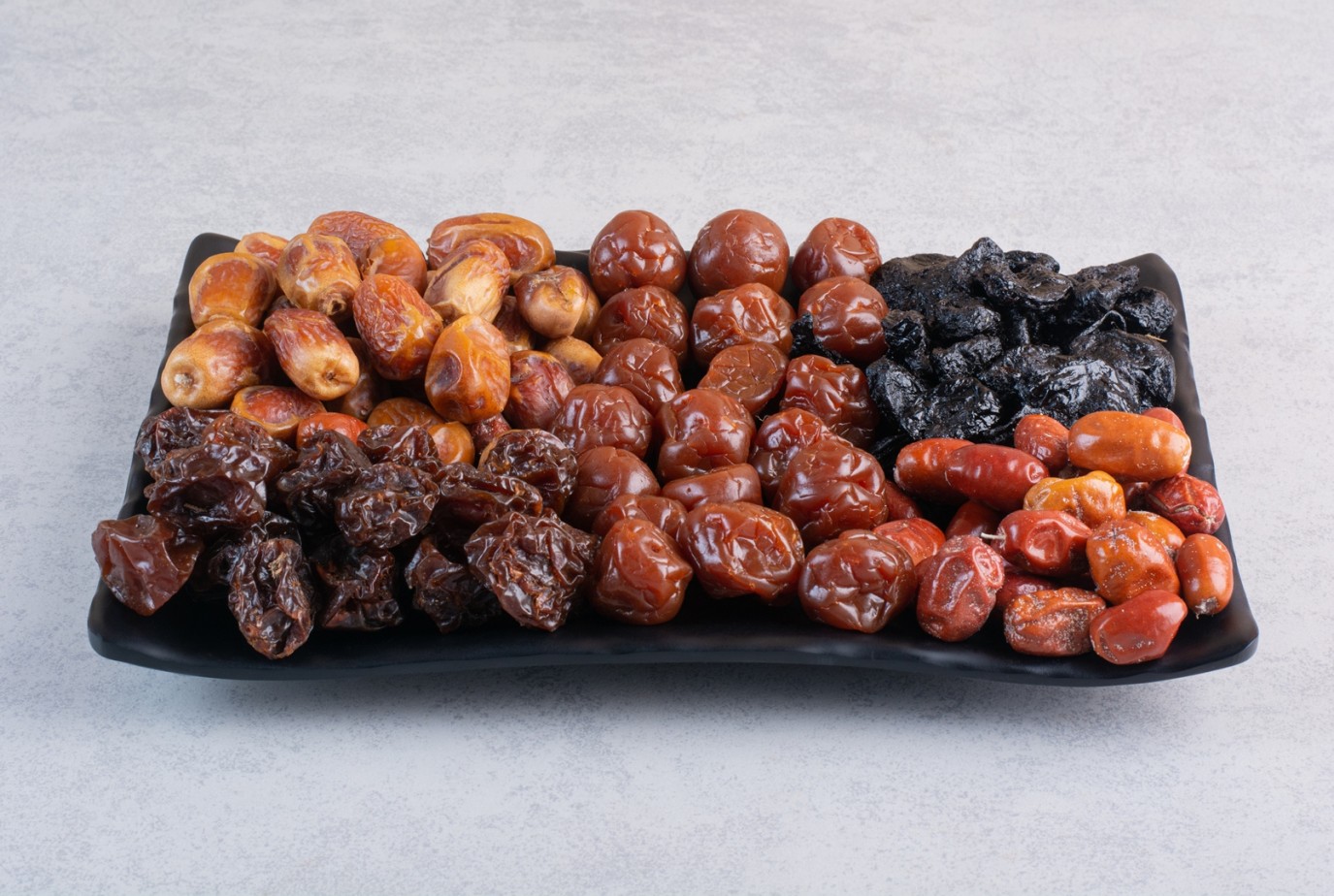
Jordan Daily - Dates and fresh dates, both fruits of the date palm, have been a staple in diets for centuries. While they originate from the same source, the difference lies in their ripeness, which significantly impacts their taste, nutritional value, and health benefits. Fresh dates, also known as ‘Rutab,’ are the soft, fresh version, while dates are the dried, more concentrated form.
This distinction affects everything from sugar concentration to shelf life, making each a unique nutritional choice. Understanding these differences can help you make informed decisions about which type of date best suits your dietary needs and health goals.
Benefits of Fresh Dates (Rutab)
Fresh dates boast a high water content, making them a natural hydrating option. This is particularly beneficial in warmer climates or for those needing to increase their fluid intake. Additionally, fresh dates generally contain fewer sugars compared to their dried counterparts, making them a suitable choice for individuals monitoring their sugar consumption.
Their soft texture makes them easily digestible, a plus for those with sensitive digestive systems. They are also a good source of Vitamin C and antioxidants, contributing to overall health and well-being. For individuals aiming to reduce their calorie intake, fresh dates offer a relatively lower-calorie option.
Benefits of Dried Dates
Dried dates are a concentrated source of energy, thanks to their high natural sugar content. This makes them an excellent choice for athletes or anyone needing a quick energy boost. They are also rich in fiber, aiding in improved digestion and promoting gut health.
Furthermore, dried dates are a good source of essential minerals like iron, potassium, and magnesium. These minerals play crucial roles in maintaining various bodily functions, from energy production to muscle function. Their extended shelf life and ease of storage make dried dates a convenient pantry staple.
Nutritional Differences Between Fresh and Dried Dates
The most significant nutritional differences between fresh and dried dates lie in their water content, calorie density, and sugar concentration. Fresh dates have a higher water content, resulting in fewer calories per serving. Dried dates, on the other hand, have a concentrated sugar content due to the dehydration process.
In terms of texture and taste, fresh dates are soft and juicy, while dried dates are chewier and sweeter. The shelf life also varies significantly, with dried dates lasting much longer than fresh dates. Ultimately, both fresh and dried dates are healthy options, and the choice depends on individual preferences and nutritional goals.
Fresh vs. Dried: A Detailed Nutritional Comparison
Dried dates are generally richer in nutrients than fresh dates. However, fresh dates contain fewer calories. A 100-gram serving of fresh dates contains 142 calories, while the same serving of dried dates contains 277 calories. Fresh dates have a higher water content, contributing to the lower calorie count.
Dried dates have a higher concentration of sugar, fiber, and other nutrients. Fresh dates, however, contain more antioxidants. Dried dates are readily available year-round, making them a convenient and healthy snack. Fresh dates, available seasonally, offer a lower sugar and calorie option with a higher antioxidant content.
Making the Right Choice
Both fresh and dried dates offer a range of essential nutrients and vitamins, but they differ slightly in their nutritional profiles. While fresh dates contain moderate amounts of potassium and magnesium, dried dates offer higher concentrations of these micronutrients, as well as calcium. The drying process concentrates these nutrients, making dried dates a more potent source.
If you are looking for hydration and fewer calories, fresh dates are a suitable choice. If you need a concentrated energy source and easy storage, dried dates are the better option. The water content in fresh dates contributes to a feeling of fullness, potentially preventing overeating.
Incorporating Dates into Your Diet
Dates are rich in essential nutrients. Although fresh dates are edible, they are most often consumed in their dried form. A 100-gram serving of dates provides a significant amount of calories, protein, carbohydrates, fiber, and sugar. They also contain essential minerals like calcium, iron, potassium, magnesium, copper, and selenium, as well as vitamins like B6 and folate.
Dates are often dried and small, making it easy to consume several at once. Be mindful of portion sizes to avoid excessive calorie, fiber, and natural sugar intake. Eating dates in moderation is key to enjoying their health benefits without overdoing it.
Best Times to Eat Dates
The best time to eat dates is when you feel hungry or have a craving. While some health experts suggest specific times for optimal digestion, there is limited scientific evidence to support these claims. The human body is equipped to digest food whenever it is consumed, thanks to digestive enzymes released in the mouth and throughout the digestive process.
Dates can be a great addition to your breakfast, providing natural sweetness and fiber to start your day. The high fiber content helps you feel full and satisfied throughout the morning. They also make a great afternoon snack, offering a combination of fiber and natural sugars for a sustained energy boost.
When to Avoid Dates
Despite the numerous health benefits, there are situations when eating dates may not be advisable. Individuals with Irritable Bowel Syndrome (IBS) may experience sensitivity to the short-chain carbohydrates in dates, leading to bloating and stomach upset. Additionally, consuming a large quantity of dates after a heavy meal may cause excessive fullness and discomfort due to their high fiber content.
In rare cases, some individuals may be sensitive or allergic to dates. If you suspect you may have an allergy, consult a healthcare professional. Dates also contain sorbitol, a sugar alcohol that can increase bowel movements in some people. Therefore, it is best to limit or avoid dates if you are experiencing diarrhea.
In general, dates are a nutritious and versatile food that can be enjoyed as a snack or as part of a meal. Remember that your body is capable of digesting food at any time of the day, so listen to your body’s cues and enjoy dates in moderation as part of a balanced diet.