
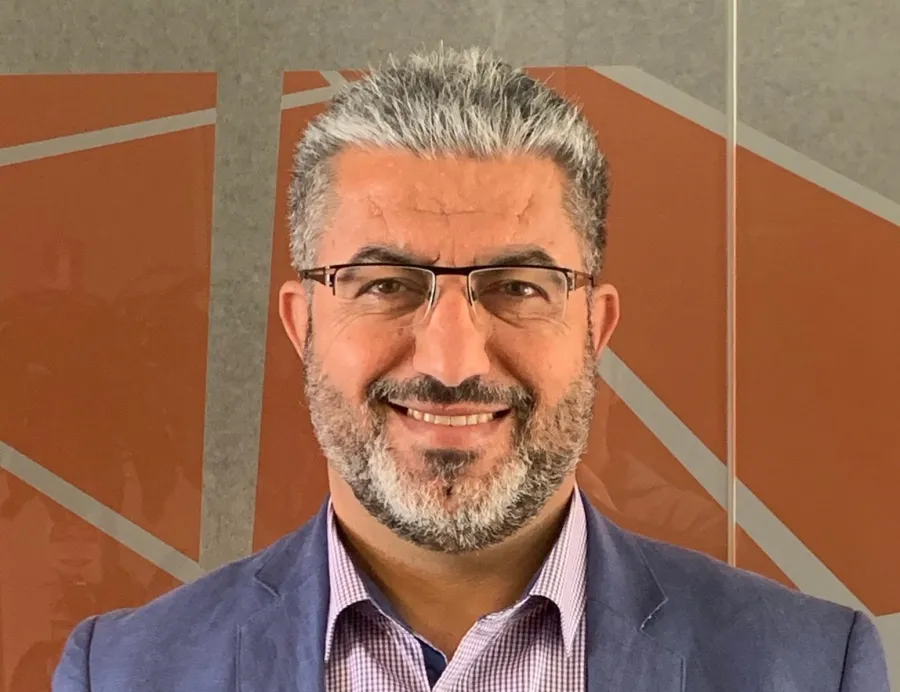
By : Dr. Fadi Maayah
Curtin University, Australia
Jordan Daily - Since the appointment of Brazilian coach Ney Franco in late 2025, Al‑Hussein FC has undergone a transformation that has captured the attention of supporters, analysts, and rival clubs across the Jordan Pro League. What began as a bold managerial signing has quickly evolved into a shift in identity, prompting many to ask whether Al‑Hussein is beginning to play a distinctly Brazilian brand of football. The evidence on the pitch suggests that Franco’s philosophy is already reshaping the club’s style, structure, and long‑term ambition.
Franco arrived in Jordan with a reputation few coaches in the region can match. A FIFA U‑20 World Cup winner, a South American U‑20 champion, and a Copa Sudamericana titleholder, he brought with him decades of experience at the highest levels of Brazilian football. From the moment he stepped onto the training ground in Irbid, it was clear that he intended not only to coach a team but to modernise an entire footballing approach. His vision centred on elevating Al‑Hussein’s tactical sophistication, strengthening youth development pathways, and preparing the club to compete more effectively in both the Jordan Pro League and the AFC Cup 2.
The most visible change has been in the team’s playing style. Franco has introduced a structured yet fluid football philosophy built around systems such as the 4‑2‑3‑1, a modified 4‑3‑3, and at times a flexible 3‑4‑3. These formations are not simply numerical arrangements but frameworks for a more expressive and intelligent style of play. Under his guidance, Al‑Hussein now builds from the back with greater confidence, circulates the ball with purpose, and presses with coordination rather than chaos. The emphasis on controlled possession, disciplined defensive organisation, and quick, incisive transitions has given the team a rhythm that feels unmistakably Brazilian in its inspiration.
Recent performances have highlighted the growing effectiveness of this approach. Al‑Hussein has produced high‑scoring matches, showing a newfound sharpness in the final third. Much of this improvement stems from Franco’s insistence on attacking the space behind the defensive line, a hallmark of modern Brazilian football. Whether through central combinations or wide movements leading to cut‑backs, the team has become far more dangerous in creating and finishing chances. The connection play between midfielders and attackers has been particularly impressive, with sequences of quick passing and intelligent movement that reflect the coach’s influence.
Another defining feature of Franco’s tenure has been his commitment to integrating young talent. Unlike many coaches who rely heavily on experienced players, Franco has embraced the potential of emerging footballers aged nineteen to twenty‑one, giving them meaningful roles alongside seasoned professionals. Players such as Yousef Qashi, who spent time in Bayern Munich’s youth system, Mohammed Abu Ghosh, Obeidah Al‑Namraneh, Khaldon Sabrah, Mohammed Al‑Deeb, and Ali Hajibib have all benefitted from increased trust and responsibility. Their development has been supported by experienced figures including SISA Al‑Mardi, Aref Al‑Hajj, Rajja Ayad, Saad Al‑Rousan, Yazan Abu Laiela, and others, creating a balanced squad that blends youthful energy with veteran leadership.
Franco’s international experience has also strengthened Al‑Hussein’s preparation for continental competition. His detailed match analysis, opponent scouting, and strategic planning have improved the team’s readiness for the AFC Cup 2, where tactical discipline and adaptability are essential. The club now approaches these matches with a clearer identity and a more sophisticated game plan, reflecting the coach’s influence on both the micro and macro levels of performance.
So, is Al‑Hussein FC playing Brazilian‑style football? While the club remains rooted in its local identity, there is no doubt that Franco’s philosophy has brought a new flavour to the team’s play. The fluidity, the attacking combinations, the emphasis on breaking defensive lines, and the trust in young talent all point toward a style shaped by Brazilian football culture. What is emerging in Irbid is not a copy of Brazilian football but a Jordanian interpretation of it—one that is modern, dynamic, and increasingly effective. If this trajectory continues, Al‑Hussein FC may soon be recognised not only for its results but for its distinctive and exciting way of playing the game.