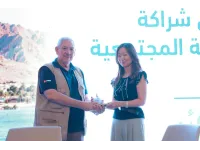

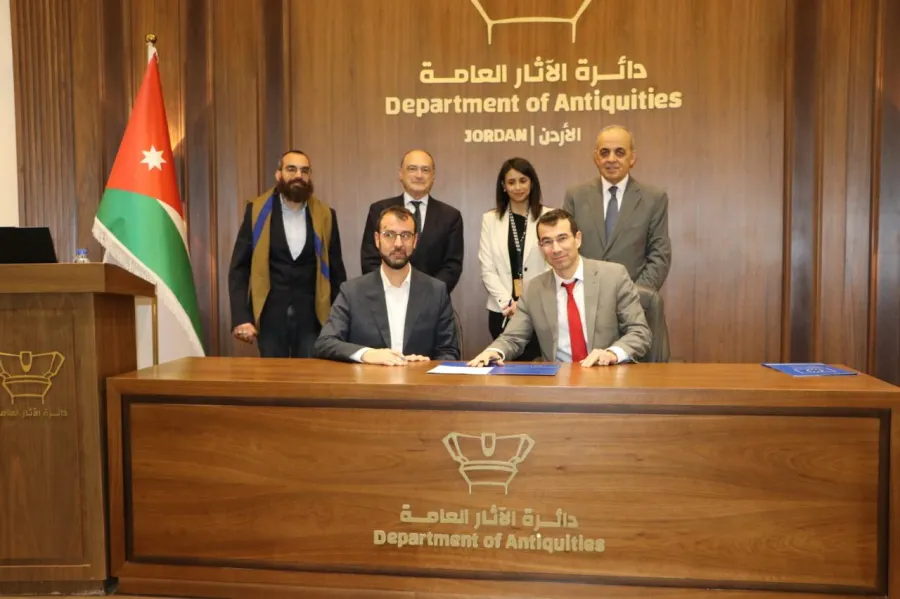
Jordan Daily - The European Union, in partnership with the Ministry of Tourism and Antiquities, signed on Tuesday two agreements to support sustainable tourism and cultural heritage preservation across Jordan.
Under these agreements, the European Union will provide EUR 2 million over the next two years (EUR 1 million per project) to two complementary Actions to boost inclusive economic development while promoting Jordan’s rich cultural heritage, The EU in Amman said in a statement.
The project “Reviving Culture, Building Futures: Sustainable Tourism and Heritage Preservation in Jerash and Balqa”, implemented by Un Ponte Per ETS, will be carried out in Jerash and Al Salt (Balqa Governorate). It seeks to strengthen heritage conservation while creating sustainable economic opportunities for local communities. The Action will support youth, refugees, Micro, Small and Medium Enterprises (MSMEs), and tourism stakeholders through professional training in conservation and digital documentation, support to local tourism enterprises, and the development of responsible tourism routes.
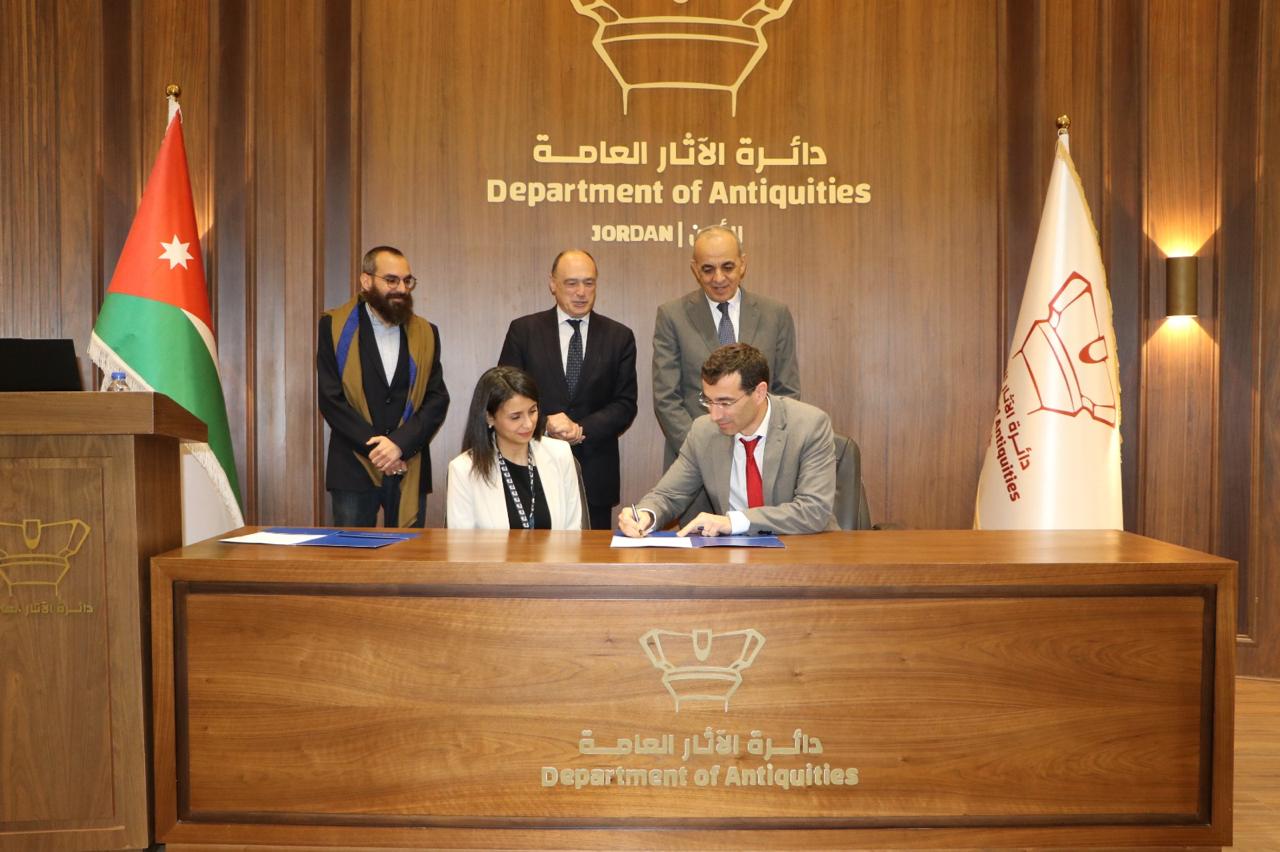
While the second project, “RISE: Revitalizing Initiatives for Sustainable Empowerment in Cultural Heritage”, implemented by Fondazione AVSI, will be implemented in Makawer (Madaba Governorate) and Rihab (Mafraq Governorate). It focuses on improving livelihoods for women, youth, persons with disabilities, and vulnerable groups through community-based cultural heritage and sustainable tourism initiatives. This project will promote local economic initiatives, youth-led digital heritage documentation, skills development, and destination branding.
Together, these actions are expected to enhance preservation skills, strengthen local tourism services, increase income generation, and improve the visibility of Jordan’s cultural heritage assets. They will also contribute to more inclusive and sustainable local economies, with a particular focus on green practices and community engagement.
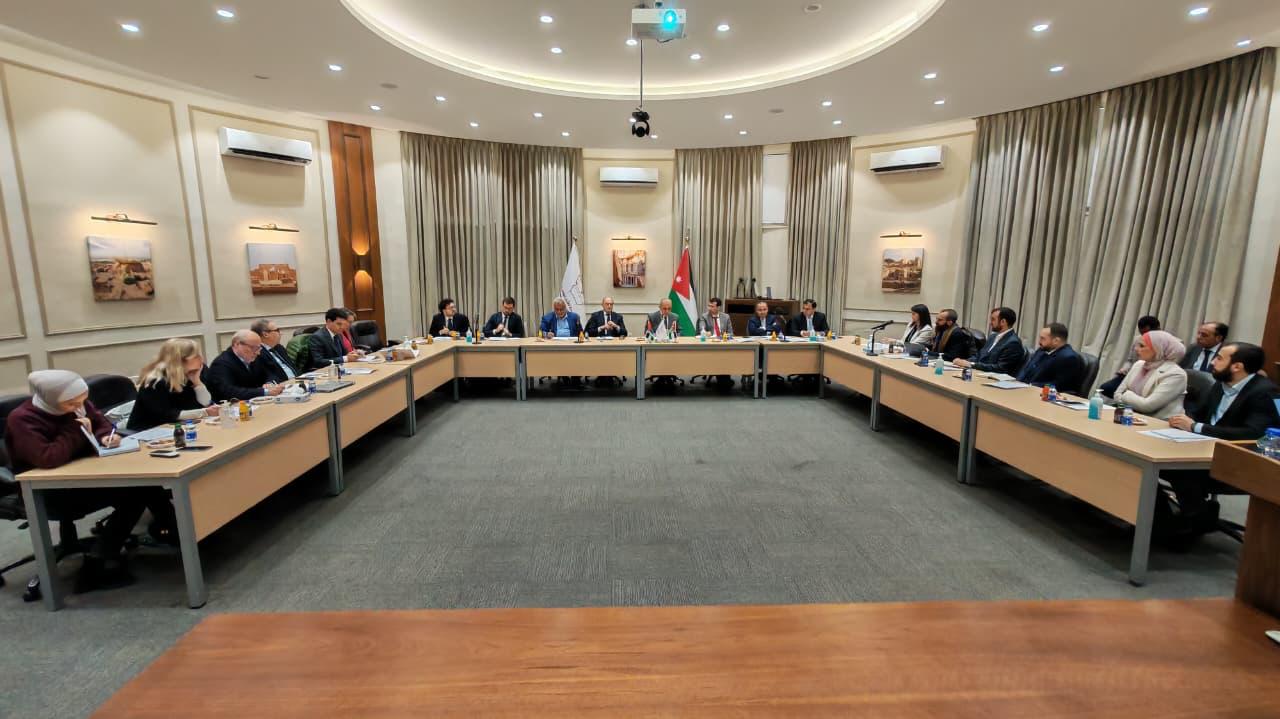
Both projects will be integrated into a joint coordination framework under the leadership of the Ministry of Tourism and Antiquities. This mechanism ensures regular exchange with partners, as well as alignment with broader national priorities.
In this context, the implementing partners will play an important role, building on their technical expertise and working closely with both the Ministry and the European Union in the field of cultural heritage.