

Jordan Daily - In times of economic uncertainty and fluctuating currency values, gold often emerges as a safe haven for protecting savings. However, purchasing gold, especially for preserving financial value, requires careful consideration.
When buying gold, always request to see the item weighed in front of you and verify the accuracy of the displayed weight. Ensure that the piece bears an official hallmark or stamp. Purchase only from reputable sources or well-known establishments.
Always secure an official, itemized, and stamped invoice from the seller. This should detail the carat, total weight, the gold price on the purchase date, the manufacturing cost , and a description of the item.
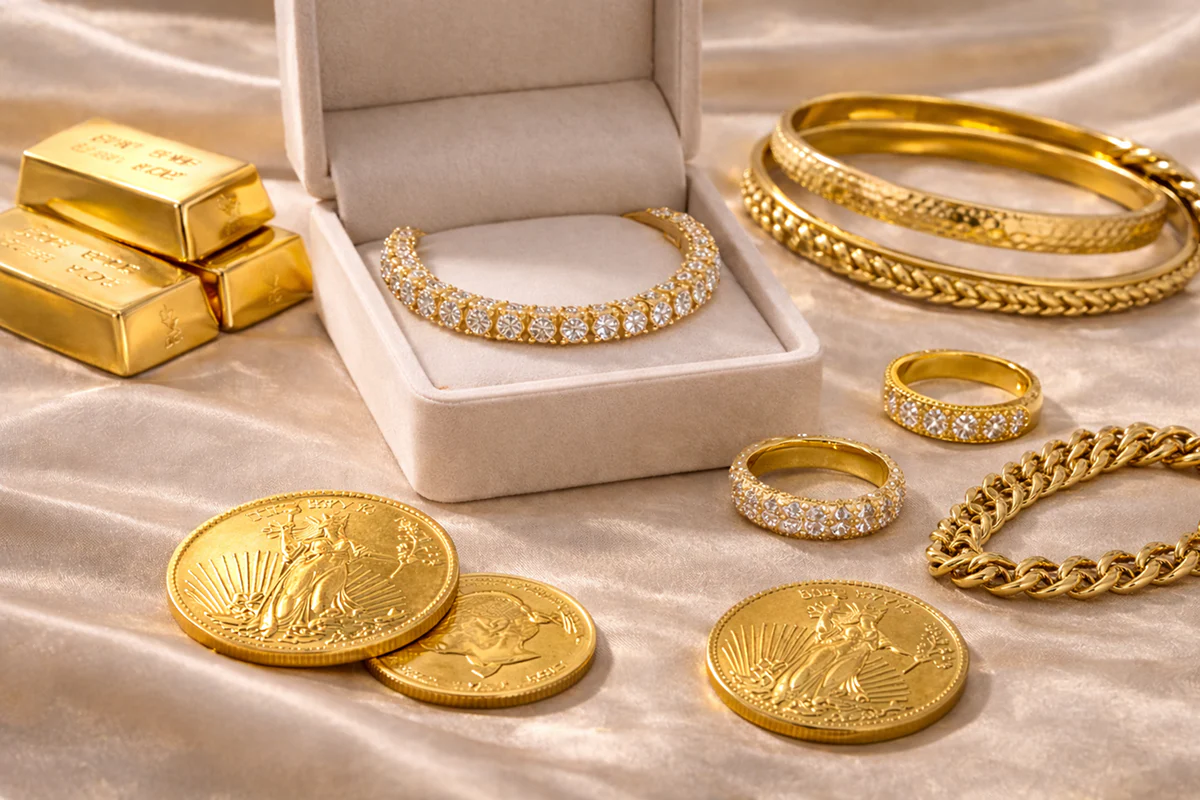
For those primarily seeking a store of value, it is advisable to purchase 24-carat gold bullion or gold coins.
If the intention is solely for adornment, select pieces based on personal preference, considering the manufacturing cost as a premium for the aesthetic appeal, which is not recoverable upon resale. A balanced approach involves opting for 21-carat pieces with classic, simple designs and lower manufacturing costs.
Experts recommend avoiding purchases during these peak times and instead buying during quieter periods while closely monitoring gold prices.
Globally, gold prices are influenced by the U.S. dollar's value and geopolitical events, typically showing an inverse relationship with the dollar and interest rates. Locally, market dynamics are also affected by supply and demand.
It's also worth noting that jewelry prices often rise in many local markets during holidays, wedding seasons, and year-end festivities.
The price of a gold item is calculated through a straightforward method: first, determine the price per gram, which represents the gold value without labor costs. Then, add the manufacturing cost ( مصنعية ), which varies significantly based on the piece's intricacy, details, and brand. Finally, include any applicable taxes or stamping fees.
Negotiating the manufacturing cost is advisable, especially for heavier or simpler designs. Manufacturing costs are typically higher for well-known brands and complex handmade designs but are minimal for bullion and coins.
Avoid pieces with embedded gems or stones, as these increase the manufacturing cost and decrease the resale value, since jewelers deduct the weight of the stones upon resale. Some reliable companies, however, allow resale without deducting the weight of the stones.
Before visiting a jeweler, understanding the different gold carats and their uses is essential. The carat indicates the percentage of pure gold in the piece versus other metals added for durability. 24-carat gold is 99.9% pure and known for its bright yellow color. Being less durable, it is mainly used in bullion and is the preferred choice for long-term savings due to its retained value upon sale.
21-carat gold (87.5% gold) strikes a balance between durability and a rich, reddish hue, making it suitable for crafting and a balanced option due to lower manufacturing costs compared to 18-carat gold.
18-carat gold (75% gold) is stronger, more durable, and lighter in color, making it ideal for intricate designs or everyday wear items like bracelets and necklaces. However, it is less cost-effective for pure investment due to higher manufacturing costs.
It is a common mistake to purchase elaborate jewelry for investment purposes. Their value decreases upon resale due to the deduction of manufacturing costs.
Additional Tips:
- Keep the invoice to protect your rights when reselling.
- Store each piece in a cloth or velvet bag to avoid scratches.
- Avoid selling gold for at least three to five years to overcome manufacturing costs and benefit from rising global prices.
Gold can be a reliable asset if approached with care and intelligence.