
Dr Fadi Maayah
Curtin University, Australia
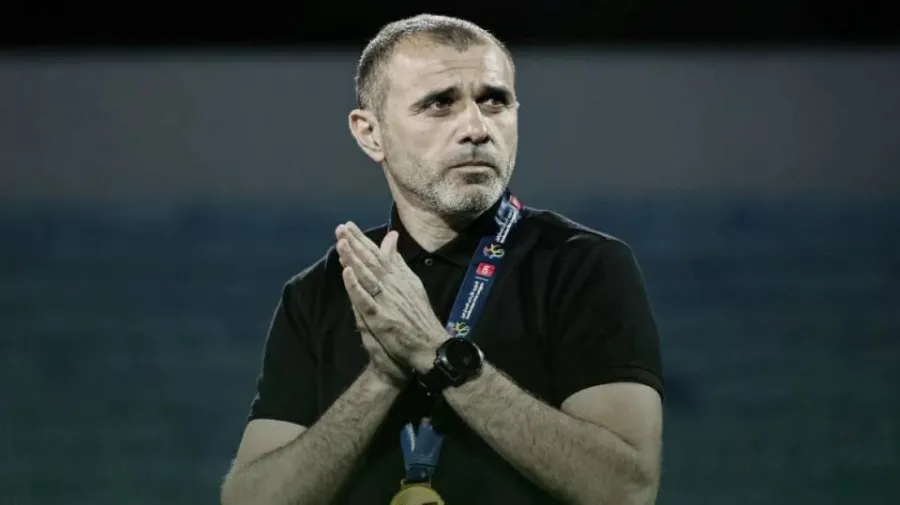
Jordan Daily - This article offers a balanced and evidence-based perspective on the work of coach Ahmad Hayel. In recent weeks, some analysts and commentators have attributed Al-Hussein Irbid’s success primarily to squad quality, suggesting that any coach in charge would achieve similar outcomes. While the strength of the playing group is undeniable, such claims underestimate the decisive influence of leadership, timing, and coaching intelligence.
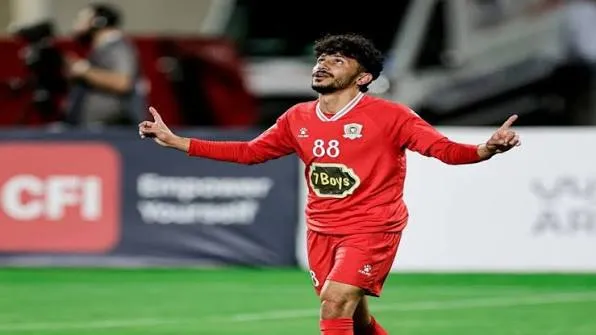
The reality is that Ahmad Hayel has established himself as far more than a figurehead. He is emerging as a tactical mastermind, blending high-level technical knowledge with a holistic and modern approach to performance. His influence extends beyond structure into the psychological domain, where he has proven exceptional. Hayel understands when to challenge, when to support, and how to unlock peak performance at decisive moments. This is reflected in the form of players such as Rezq Bani Hani and Aref Al-Haj, along with many others who have delivered their best football this season under his leadership. He is not simply benefiting from talent; he is actively shaping and elevating it.
Once feared by defenders, Ahmad Hayel built his reputation as a ruthless striker defined by decisive finishing. Nicknamed “The Slaughterer”, he thrived under pressure and delivered when it mattered most. One of the most memorable moments of his playing career came against Japan — one of Asia’s elite national teams — when he carried the ball from midfield, beat multiple defenders, rounded the goalkeeper, and scored a remarkable solo goal. It was a moment that captured his courage, technical quality, and ability to perform on the biggest stage.
During his playing career, he represented leading clubs including Al-Faisaly in Jordan and Al-Arabi in Kuwait, while also contributing to the Jordan national team for over a decade. These experiences across different competitive environments helped shape the adaptable and tactically aware coach he has become today.
That same competitive edge has transitioned into his coaching journey — but with added depth and clarity. From the touchline, Hayel now dictates tempo, structure, and match control with authority.
His coaching achievements underline his rapid rise. At club level, he has been central to Al-Hussein Irbid’s most successful period, leading the team at late stages to Jordanian Pro League titles in 2025 and 2026, and guiding them to Jordan Cup success in 2026 — completing a historic domestic double. At international level, his leadership of the Jordan Olympic (U23) team between 2023 and 2024 delivered regional success, highlighted by winning the West Asian Football Federation U23 Championship.
At Al-Hussein Irbid, his football identity is unmistakable. The team is structured, disciplined, and tactically coherent. Defensively, it protects central zones with organisation and precision. In attack, it exploits wide areas and half-spaces intelligently, creating both control and unpredictability.
One of the clearest demonstrations of his tactical intelligence came against Al-Faisaly. Faced with the creative threat of Ahmad Al-Arsan (11), Hayel implemented a layered strategy rather than relying on simple marking. Aref Al-Haj (7) applied immediate pressure by coming back when needed, while Abu Al-Jazar (2) provided cover, cutting off central passing lanes and closing the space around Al-Arsan.
Al-Arsan was effectively neutralised, unable to operate in his preferred zones and removed from the rhythm of the game. His influence was almost entirely restricted, with his only meaningful contribution coming from a set-piece situation — a clear reflection of how completely Al-Hussein controlled open play.
This performance also dismantled a narrative that had lingered earlier in the season. Questions had been raised about Al-Hussein’s ability to compete with Jordan’s traditional powerhouses and top for this seaon — namely Al-Faisaly, Al-Wehdat, and Al-Ramtha. Under Ahmad Hayel, however, that perception has been decisively overturned. His side delivered a series of statement victories, defeating Al-Faisaly 1–0, Al-Wehdat 3–1, and Al-Ramtha 3–0 — results that underscored not only their technical quality, but their tactical maturity and preparation in high-pressure encounters.
A defining characteristic of Hayel’s coaching is his adaptability. Against Al-Wehdat, his team demonstrated an immediate and composed response after conceding, showcasing both tactical clarity and mental resilience. Rather than reacting with urgency or disorder, Al-Hussein responded with structure, control, and precision. In key matches, the team has consistently shown an ability to shift tempo at the decisive moment, transforming balanced contests into commanding performances through calculated intensity rather than chaos.
Across these performances, a clear tactical identity emerges — control of space and timing. Hayel’s teams understand when to press, when to absorb pressure, when to go to midblock, and when to accelerate the game. They do not merely react to situations; they dictate them, managing rhythm and momentum with purpose and intelligence.
Ahmad Hayel represents a new generation of Jordanian coaches — one defined by tactical sophistication, psychological awareness, and long-term strategic thinking. His success is not the product of circumstance, but of preparation, leadership, and continuous innovation.
Once known as a striker who finished chances, he is now recognised as a coach who designs them. For Al-Hussein Irbid, he is the architect of a winning identity. For Jordanian football, he represents progress and ambition.
He still wins matches. But now, he wins them with ideas.