
Dr Fadi Maayah
Curtin University Australia
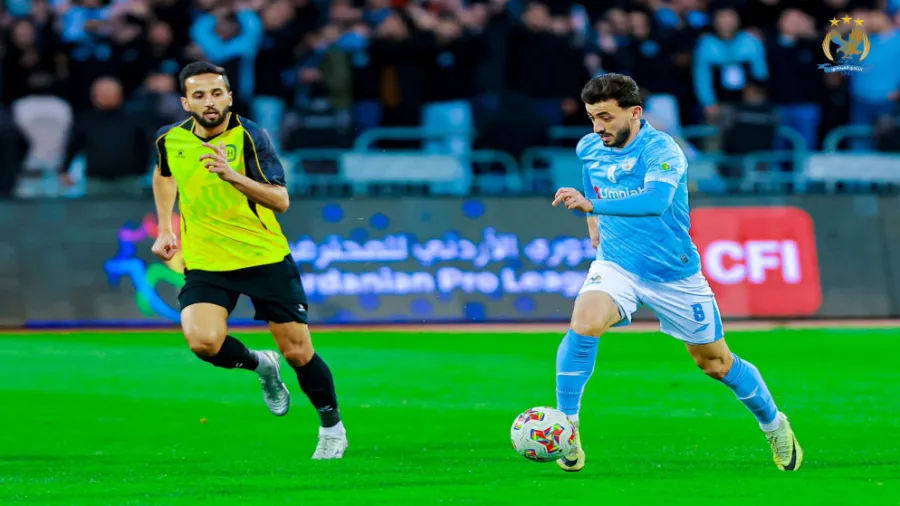
Jordan Daily - As the Jordanian Pro League approaches its defining moment, all attention turns to one historic encounter — Al Hussein Irbid versus Al Faisaly. This is not simply another match on the calendar; it is a final that will decide the league champion and, more importantly, reflect the changing landscape of Jordanian football. It is a clash shaped by pressure, expectation, and identity, where ninety minutes will determine not only a title but also the narrative of an entire season.
Heading into this decisive fixture, the league standings underline just how competitive this campaign has been. Al Hussein Irbid currently leads the table, narrowly ahead of Al Faisaly, highlighting the intensity of the title race that has unfolded week after week. With such a fine margin separating the two sides, the outcome of this match will ultimately determine who lifts the championship trophy. The significance of this moment cannot be overstated, as it represents one of the most important league encounters in recent Jordanian football history.
A Clash Between Legacy and Rise
This final brings together two contrasting identities that define Jordanian football today.
Al Faisaly represents tradition, heritage, and sustained excellence. Established in 1932, the club has built a legacy unmatched in the domestic game, winning a record number of league titles and numerous trophies across generations. Its history places it in the same category as global giants such as Manchester United and Liverpool — clubs whose success is deeply rooted in culture, continuity, and a long-standing winning mentality. For Al Faisaly supporters, the club is more than a team; it is a symbol of identity and pride passed from one generation to the next.
In contrast, Al Hussein Irbid founded in 1964 and embodies the modern rise of a new footballing force. In recent seasons, the club has challenged the established order, winning consecutive league titles and positioning itself as a serious contender for long-term dominance. This transformation reflects a structured and disciplined approach, built on consistency and clear planning. Much like Manchester City’s emergence in the English Premier League, Al Hussein’s success demonstrates how modern football can reshape traditional hierarchies through organisation, belief, and performance.
The Fans: The True Heart of the Game
While tactics and history add depth to this encounter, the true essence of this final lies with the supporters.
Fans of both Al Hussein Irbid and Al Faisaly are among the most passionate in the region, carrying a deep sense of loyalty and belonging. In Jordan, football goes beyond the pitch — it reflects identity, culture, and community. Stadiums become spaces of expression, where colours, chants, and collective energy bring the game to life.
At the centre of this culture is the concept of “Al Nashama.” This term, widely associated with the Jordanian national team, symbolises courage, resilience, and strong ethical values. Being Nashama is not only about bravery on the field; it represents respect, dignity, and responsibility in every aspect of behaviour. These values must guide the conduct of fans in this defining match.
For Al Hussein supporters, particularly as the home crowd, this fixture offers an opportunity to demonstrate true leadership. Hosting is not only about creating an intense atmosphere, but also about showing respect and hospitality towards visiting supporters. A successful football culture is measured not only by passion, but by the ability to welcome others with fairness and dignity.
For Al Faisaly fans travelling to support their team, this match is a celebration of heritage and loyalty. Their presence adds meaning to the occasion and reinforces the unity of Jordanian football, even in moments of fierce rivalry. Supporting the team with passion while maintaining respect reflects the true spirit of the game.
Football in a Historic National Moment
This decisive league match comes during one of the most inspiring periods in Jordanian football history. The national team has achieved a historic milestone by qualifying for the FIFA World Cup 2026 for the first time, marking a breakthrough moment for the country on the global stage. This achievement, alongside strong performances in regional competitions, has strengthened national pride and united supporters across the country.
In this context, the league final becomes more than a competition for silverware. It becomes a celebration of Jordan itself — a reflection of national progress, unity, and ambition. The success of the national team has elevated expectations and strengthened the sense of purpose within domestic football.
Sportsmanship Must Be the True Winner
As anticipation builds ahead of this decisive clash, one message must remain clear: passion should never turn into negativity. Football is built on competition, but it must always be guided by respect.
True success is not only measured by the final result, but by how the game is played and how it is experienced. Respect between players, appreciation between fans, and a commitment to fairness define the quality of football culture. The behaviour in the stands is just as important as the action on the pitch.
This final provides Jordanian football with an opportunity to send a powerful message — that rivalry can exist alongside respect, and competition can strengthen unity rather than division.
We Are All Nashama
As Al Hussein Irbid and Al Faisaly prepare to face each other in this defining match, one principle must stand above everything else: we are all Nashama.
Support your team with passion. Celebrate your colours with pride. But above all, honour the values that define Jordan — respect, dignity, and unity.
Because in the end, while one club will lift the trophy, the true victory will belong to the spirit of sportsmanship.
And if that spirit prevails, then Jordanian football, in all its passion and pride, will be the greatest winner of all.