

Dr Fadi Maayah
Curtin University
Jordan Daily - Group F at the FIFA World Cup 2026 stands out as one of the most competitive and tactically intriguing sections of the tournament. Featuring the Netherlands, Japan, Sweden, and Tunisia, this group brings together four contrasting football identities, each capable of progressing to the knockout stage.
Unlike groups dominated by a single powerhouse, Group F is defined by balance. While the Netherlands enter as favourites, the margin between the four teams is relatively small, creating a scenario where every match carries significant weight and even minor tactical adjustments could determine qualification.
The Netherlands headline the group, carrying both pedigree and expectation. Three-time World Cup finalists, they arrive in North America looking to finally secure the title that has eluded them throughout their history. Their qualification campaign was strong, characterised by attacking efficiency and defensive stability, and they continue to evolve under Ronald Koeman’s leadership.
From a tactical perspective, the Dutch combine structure with fluid attacking play. Their system is built on control through possession, intelligent movement between the lines, and a well-organised defensive unit. However, the challenge for the Netherlands is consistency in high-pressure moments—something that has historically defined their tournament performances.
Japan arrives as perhaps the most tactically disciplined and steadily improving team in the group. Having established themselves as a regular competitor at the World Cup, they bring organisation, intensity, and a collective identity that allows them to challenge even elite opposition.
Their recent performances reflect a team capable of executing detailed tactical plans with precision. Japan’s approach is built on quick transitions, high work rate, and coordinated pressing. While they may lack individual star power compared to European sides, their strength lies in cohesion and adaptability. In a group like this, those qualities can be decisive.
Sweden adds another layer of competitiveness with their traditional strengths of organisation, discipline, and physical presence. A nation with consistent tournament experience, they offer a structured defensive approach combined with direct attacking play.
Their style may not always dominate possession, but it is effective in tournament settings where control of space and defensive resilience are critical. Sweden’s ability to remain compact and punish opponents through set pieces or transitions makes them a constant threat, particularly in closely contested matches.
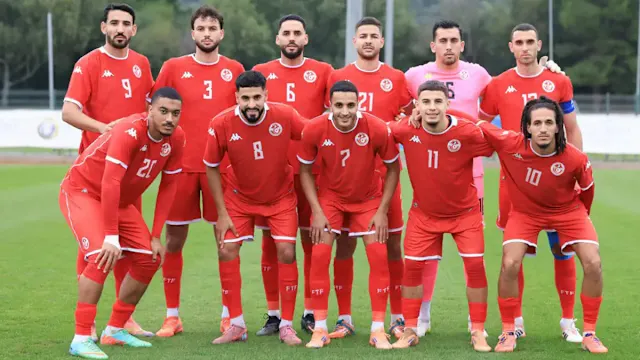
Tunisia completes the group as a team built on defensive discipline and resilience. Their qualification campaign highlighted their ability to remain compact and difficult to break down, conceding very few goals in the process. While they may be considered outsiders on paper, their structure and organisation can frustrate more technically gifted opponents.
What defines Group F is the diversity of tactical approaches. The Netherlands will seek to dominate possession and dictate tempo, while Japan will rely on structured pressing and quick transitions. Sweden will focus on defensive organisation and physical duels, and Tunisia will prioritise compactness and discipline.
The opening fixture between the Netherlands and Japan is likely to set the tone for the group. A strong result for the Dutch would reinforce their status as favourites, while a positive outcome for Japan could immediately destabilise the group and create momentum for one of the tournament’s most tactically efficient sides.
Sweden’s clash with Tunisia is equally significant. Often overlooked in early discussions, this match could prove decisive in shaping the race for second place. A win for either side would create a strong foundation going into the remaining fixtures.
The second round of matches introduces further complexity, particularly the Netherlands against Sweden encounter. This fixture offers a contrast between possession-based control and structured defensive resilience. Meanwhile, Japan’s match against Tunisia will test their ability to break down organised defensive systems.
The final matchday promises a dramatic conclusion. With simultaneous kick-offs, the outcomes of Netherlands vs Tunisia and Japan vs Sweden could determine qualification positions in real time. Such scenarios often demand not just tactical planning, but also in-game adaptability and composure under pressure.
The expanded 48-team format further increases the stakes. While the top two teams advance automatically, third place may also secure progression depending on overall performance. This adds strategic complexity, as teams must balance risk and control across all three matches.
Ultimately, Group F represents the essence of modern international football—balanced, unpredictable, and tactically rich. The Netherlands carry the weight of history and expectation, Japan bring cohesion and tactical intelligence, Sweden offer structure and resilience, and Tunisia provide defensive discipline and determination.
In such a finely poised group, success will not be defined solely by reputation or talent, but by execution, adaptability, and the ability to perform in key moments. Group F may lack a single dominant force, but it offers something equally compelling: a genuine contest where every team has a path to the knockout stage.