

By: Business Editor
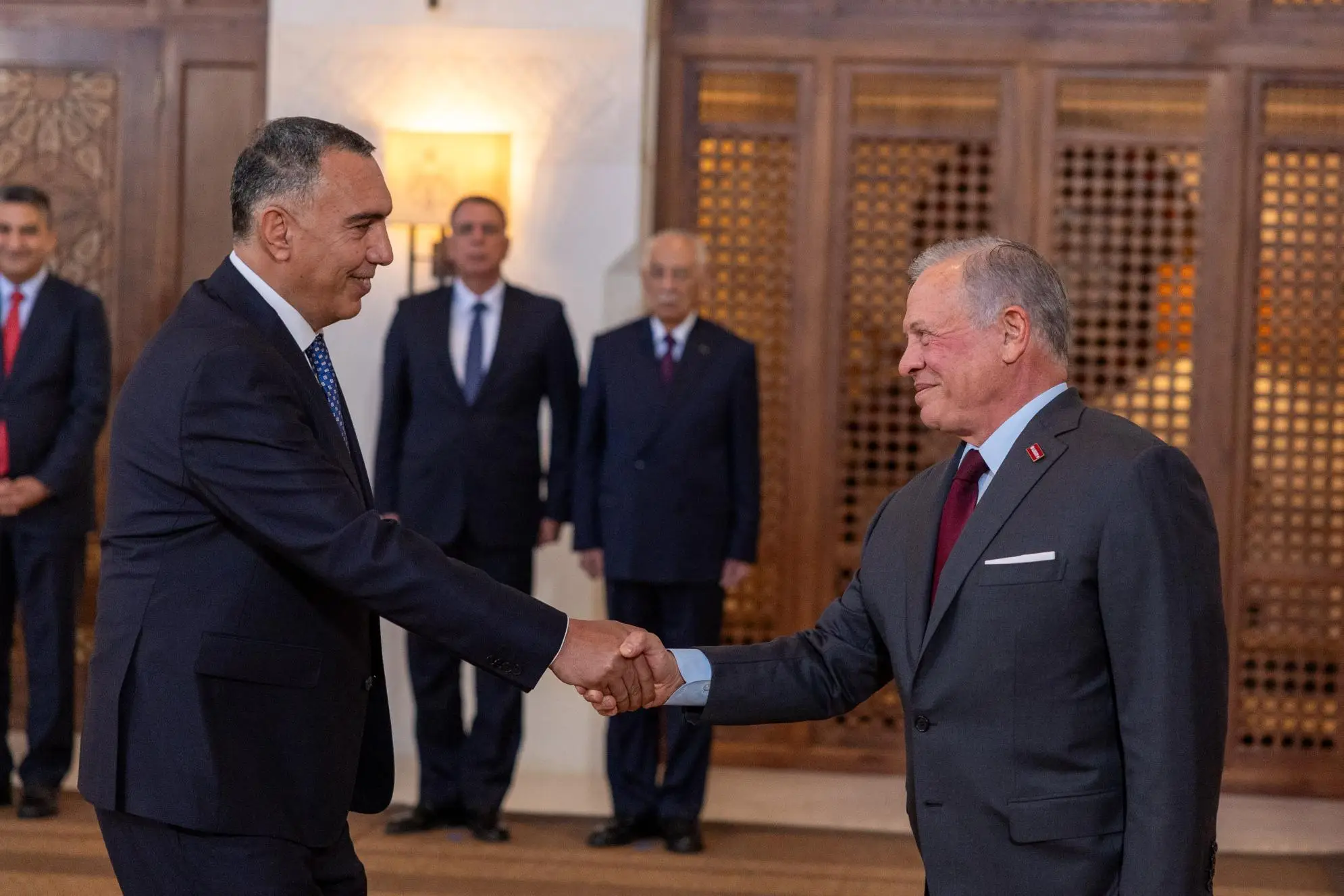
Jordan Daily - Jordan's economy expanded by 2.9% in real terms in the first quarter of 2026, outperforming international forecasts and extending a steady recovery driven by broad-based growth across productive and service sectors, Central Bank of Jordan Governor Adel Sharkas said on Tuesday.
The economy grew 2.7% in the first quarter of 2025 and 2.5% in the same period of 2024, reflecting what Sharkas described as the country's resilience in the face of regional and global challenges.
Speaking to the state news agency Petra, Sharkas said government measures had played a key role in supporting economic activity, including accelerating economic reform programs, improving the business environment and supporting key sectors. He added that the government had settled more than JOD 280 millio in arrears owed to private sector companies, boosting market liquidity and business continuity.
Sharkas said the first-quarter performance exceeded the World Bank's 2026 growth forecast of 2.6%, reflecting the strength of Jordan's economic fundamentals and ongoing reforms.
Manufacturing led growth, expanding 5.3% and contributing nearly one-third of overall economic growth. Agriculture grew 6.8%, while mining and quarrying rose 4.7%. Among services, wholesale and retail trade increased 3.2%, transport and storage expanded 3.1%, and financial and insurance activities grew 2.9%.
Productive sectors accounted for more than 55% of total economic growth in the first quarter, compared with an average of about 33.8% between 2015 and 2021, indicating a gradual shift toward a more diversified and productive economy, Sharkas said.
He attributed the improvement to the cumulative impact of Jordan's Economic Modernization Vision and its 2026-2029 executive program, alongside government measures to cushion the impact of recent regional tensions by safeguarding energy supplies, facilitating trade and supply chains, supporting affected industries, particularly tourism and manufacturing, and maintaining targeted social protection programs.
Jordan's foreign currency reserves stood at about $27.4 billion, covering roughly 9.5 months of imports, while inflation averaged 1.88% during the first five months of 2026. Workers' remittances rose 13.3% to around $1.6 billion in the first four months, national exports increased 1.6% to about $3 billion in the first quarter, and tourism revenues reached approximately $2.8 billion in the first five months of the year.