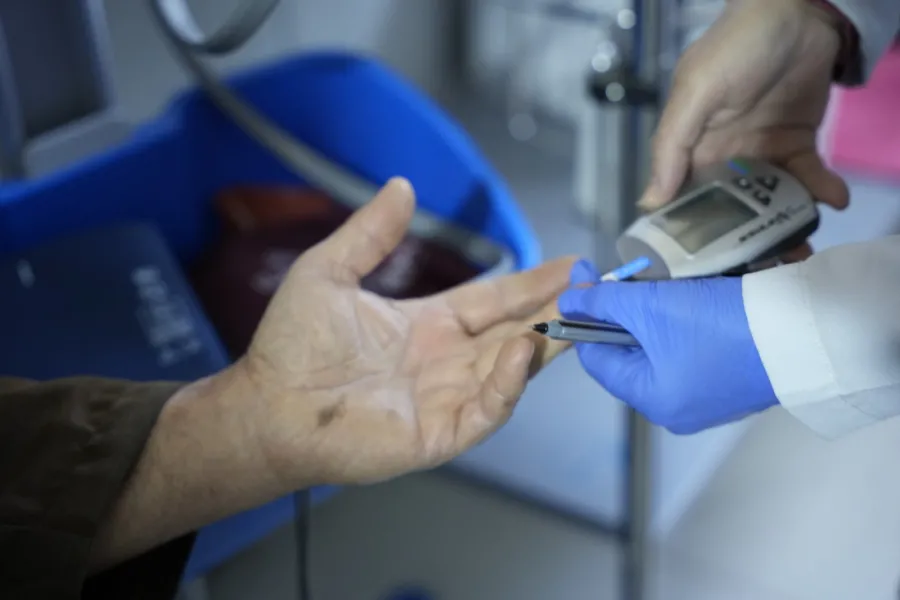

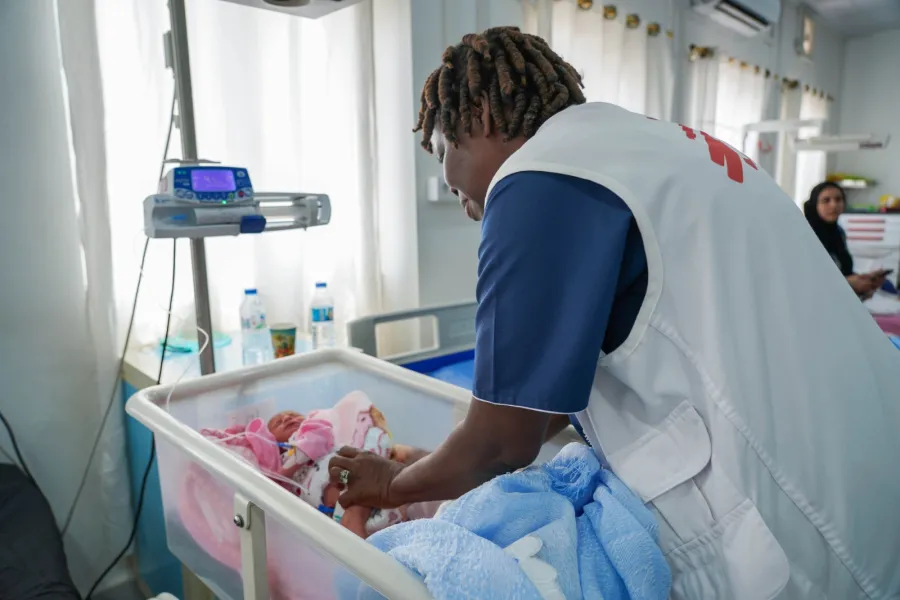
Jordan Daily - After nine years of helping restore access to healthcare in west Mosul, Médecins Sans Frontières (MSF) will hand over Nablus Hospital at the end of December 2026. It will continue operating as a public maternity hospital. Between 2017 and 2026, more than 250,000 emergency consultations were carried out and more than 125,000 patients were admitted. Some 88,000 children were born at the hospital over the nine years.
MSF opened Nablus as a field hospital in June 2017, one month before the battle to retake Mosul officially ended. The fighting displaced more than one million people and severely damaged much of the city’s healthcare infrastructure. In the immediate aftermath of the battle, MSF was the main healthcare provider in west Mosul. Nablus Hospital received critical emergency cases while other hospitals were destroyed or no longer functioning.
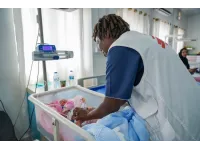
“The hospitals had been destroyed and there were no health services,” says Abdullah Isaa, an emergency nurse at the MSF-supported Nablus Hospital. “So, MSF opened this facility. People needed it. We treated many patients and saved many lives.”
As public hospitals gradually reopened, some initially operating from temporary structures and caravans, Nablus continued to provide inpatient care for adults and children with urgent medical needs. From 2018 to 2022, deliveries reached a peak of 1,000 per month. As more health services resumed, Nablus shifted from a broad emergency response to specialised paediatric emergency and maternity care, with a particular focus on emergency obstetric care and caesarean sections.
For families such as Sanad’s, the hospital became a place they could return to for care. Sanad was born at Nablus Hospital six years ago, as were his younger brothers and sisters. The family, who live in a village west of Mosul, returned when one of their daughters developed a high fever. She received treatment at the hospital and went home a few days later.
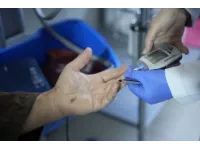
The hospital also supported health authorities’ efforts to prevent and control infections. In 2022, MSF set up a laboratory for bacterial testing that revealed high levels of antibiotic resistance. MSF shared the findings with health authorities, along with guidance on antibiotic stewardship and training in infection prevention and control. Mental health was also an important component of the hospital’s work.
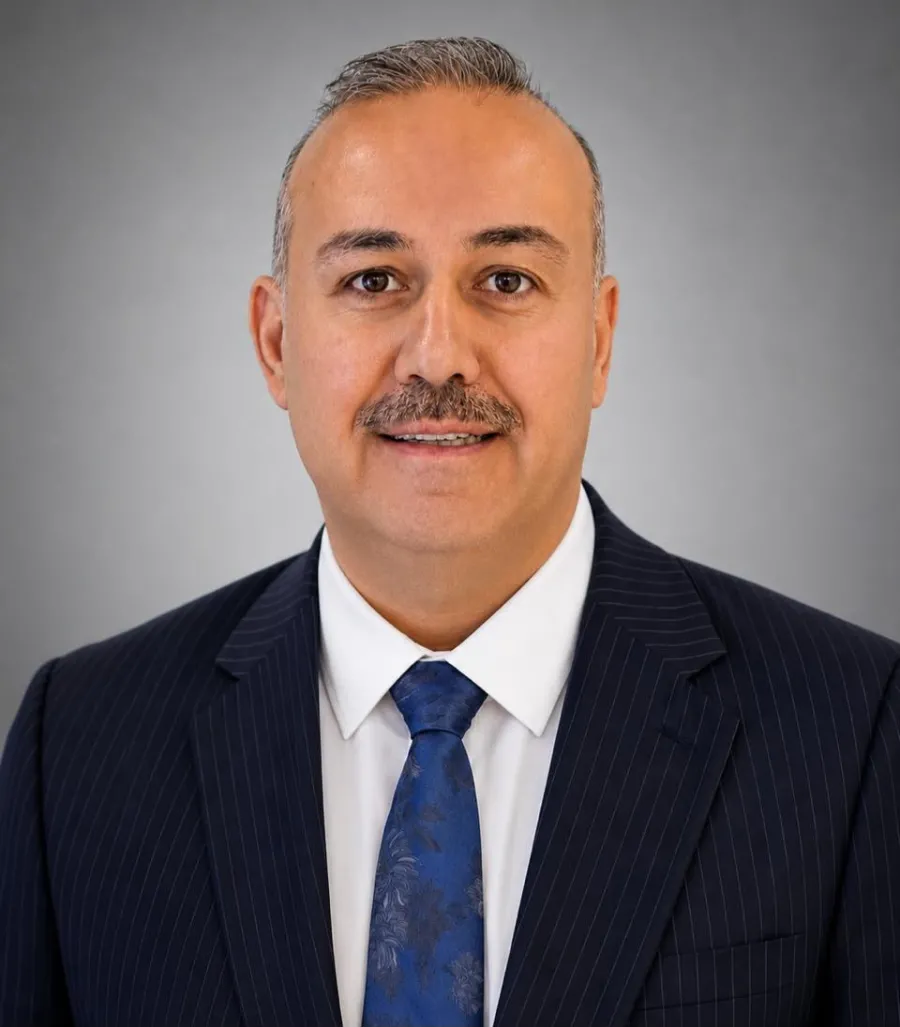
“Our collaboration with the Directorate of Health has played an important role in ensuring high-quality care, both at Nablus Hospital and across the public health system,” said Gemma Dominguez, MSF head of mission in Iraq. “We are proud of what has been achieved here. This is the right moment to hand over the hospital and build on these achievements, while continuing to respond to other critical healthcare needs in Iraq.”
“At times, we would receive a critical case every week and we handled each one as a team,” said Jellan Mohammed, the hospital’s maternity supervisor. “These cases showed the results of our efforts: when we saved a mother’s life, we were saving her baby’s life as well.”