By : News Editor
Jordan Daily - Azerbaijan commemorated the 34th anniversary of the Khojaly tragedy on Feb. 26, recalling what described as one of the most painful episodes in the country’s modern history.
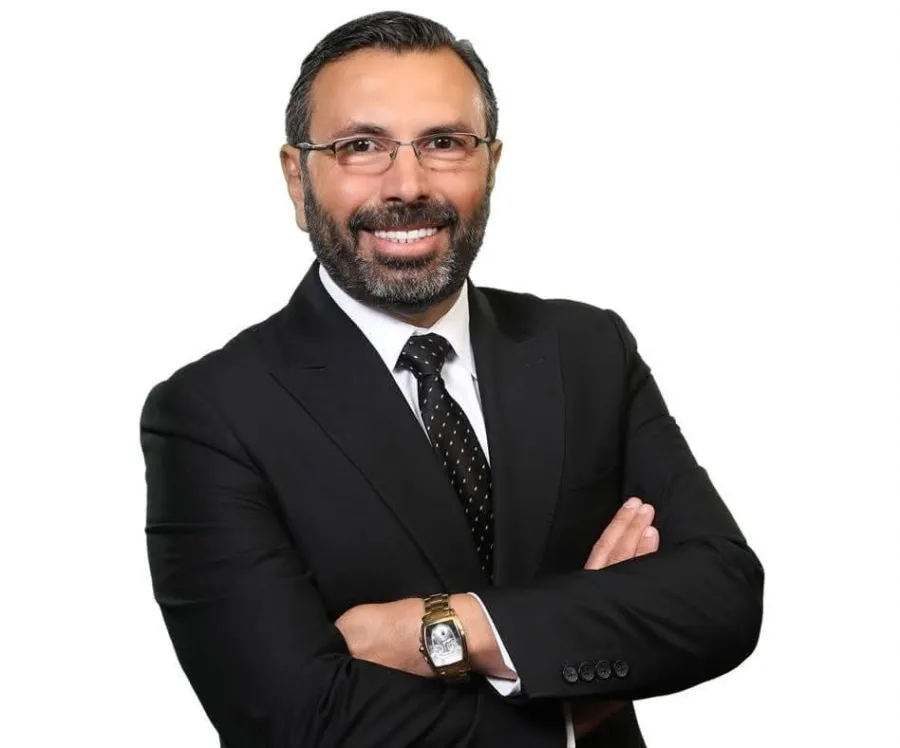
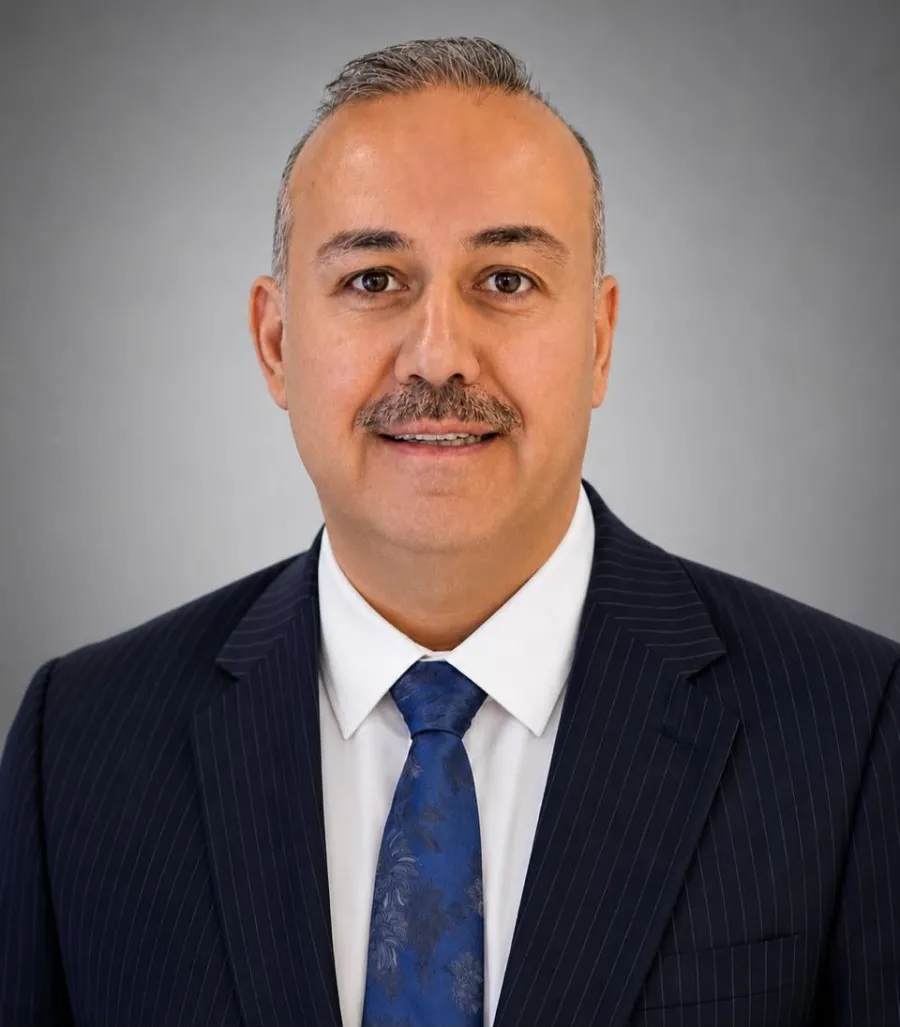
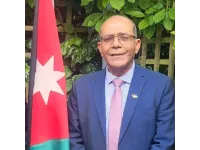
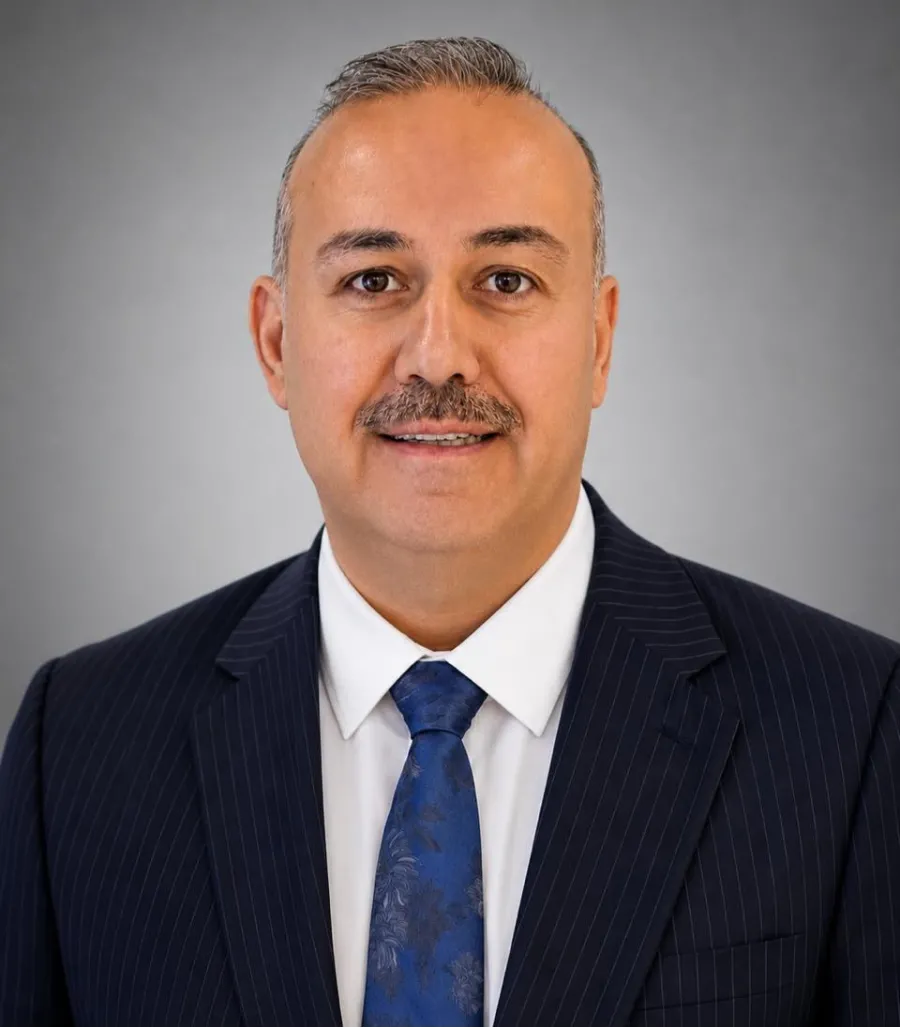
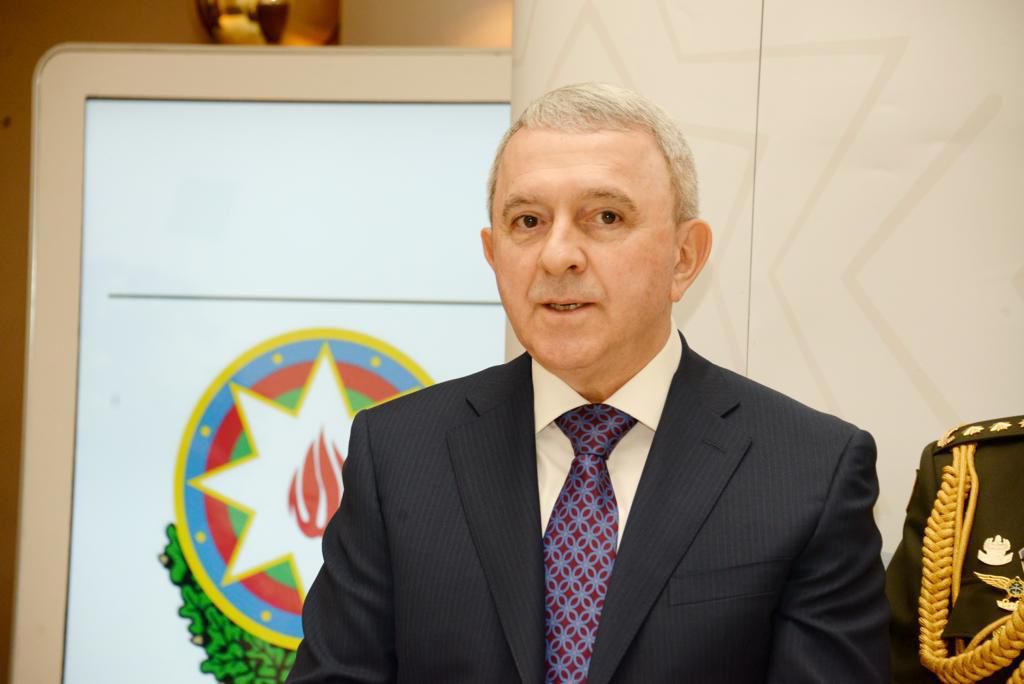
In an opinion piece marking the occasion, Azerbaijan’s Ambassador to Jordan, Shahin Abdullayev, described the events of Feb. 25–26, 1992, in the town of Khojaly in the Karabakh region as a “painful national epic.” He referred to the killings as the “Khojaly massacre” and said they remain “a deep wound in the history of Azerbaijan.”
According to the ambassador, 613 civilians were killed, including 63 children, 106 women and 70 elderly people. He wrote that survivors fleeing through forests and snow-covered roads were also attacked near the villages of Nakhchivan and the Asgaran plain.
“The Khojaly massacre is the deep wound in the history of Azerbaijan, which will remain a witness to the most heinous war crimes of the twentieth century,” Abdullayev wrote, calling it “a symbol of resilience and will, and a cry of truth in the face of aggression.”
Each year on Feb. 26, Azerbaijan observes a national moment of silence. Flags are lowered across the country, and transportation briefly halts in the capital, Baku. Thousands visit the Khojaly memorial in the Xətai district, where the names of the victims are inscribed.
The ambassador said the events have been officially recognized as genocide by around 18 countries, as well as by legislative and executive bodies in 24 U.S. states and by the Organization of Islamic Cooperation (OIC). He also noted that in 2012, the OIC Council of Foreign Ministers adopted a resolution recognizing the events as genocide.
Abdullayev praised Jordan for what he described as its supportive stance. He said the Kingdom was among the first Arab countries to recognize the Khojaly events as genocide and commended its position on the Karabakh issue in line with UN Security Council resolutions 822, 853, 874 and 884. He also cited a June 19, 2013, statement by Jordan’s Senate condemning the killings.
Reflecting on more recent developments, the ambassador wrote that Azerbaijan had long sought to restore control over its territories through peaceful and diplomatic means. However, he said renewed fighting broke out on Sept. 27, 2020, lasting 44 days and ending with a ceasefire agreement signed overnight on Nov. 9- 10, 2020.
He described the outcome as a victory that “ensured the territorial integrity of Azerbaijan” after nearly 30 years of occupation. In September 2023, he added, Azerbaijan carried out “local anti-terror operations” in Karabakh, which he said restored full national sovereignty over its territory.
Following the conflict, Azerbaijan launched large-scale reconstruction and demining efforts in areas it regained control of, including Khojaly. Residential buildings, schools, healthcare facilities and infrastructure networks are being rebuilt as part of what Baku calls the “Great Return” program. According to the ambassador, 679 families - totaling 2,771 people - have returned to Khojaly so far.
Abdullayev also highlighted Azerbaijan’s broader development trajectory under President Ilham Aliyev, describing the country as “a model of economic development and political stability.” Modern infrastructure projects are being implemented in the Karabakh and East Zangezur economic regions, and the concepts of the “smart city” and “smart village” are also being applied.
Concluding, the ambassador underscored growing ties between Azerbaijan and Jordan, noting a recent visit by a senior Jordanian media delegation to Baku to explore opportunities for future cooperation.