
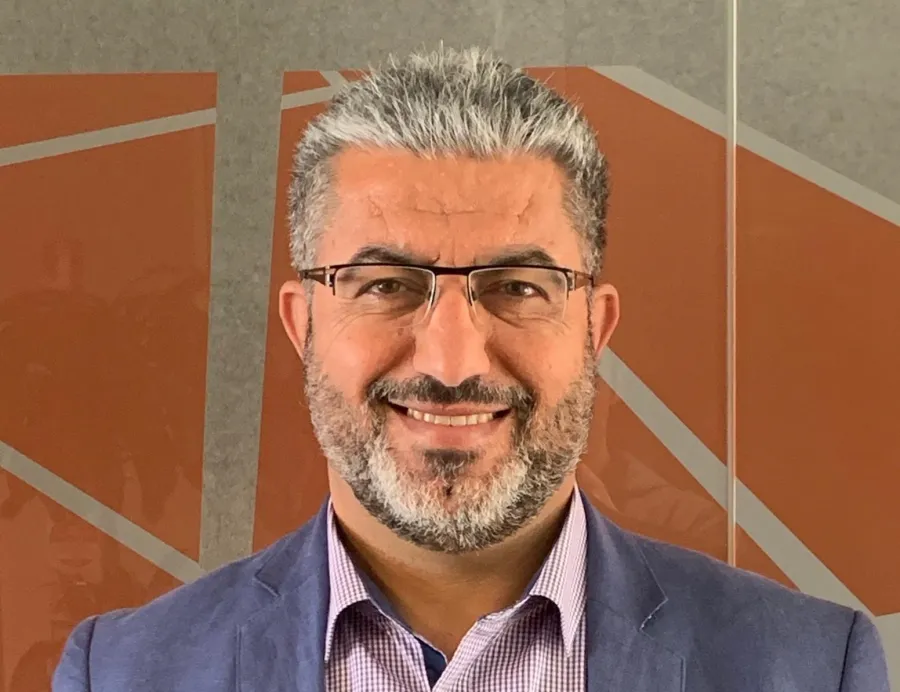
Dr Fadi Maayah
Football Science Academic and A-License football coach
Curtin University, Australia
Jordan Daily - The 2025–26 Jordanian Professional League has become one of the most demanding and unique seasons in the country’s football history. With only ten teams competing and each club facing its opponents three times, the league has adopted a compressed and unforgiving schedule. This structure was designed to balance domestic competition with Jordan’s historic preparations for the 2026 FIFA World Cup, the nation’s first-ever qualification. The combination of national pride, tight scheduling, and increased match frequency has made player load management more important than ever.
The shift from playing once a week to twice a week is not a small adjustment. In elite football, it fundamentally changes how teams train, recover, and perform. A match is the most physically demanding event a player experiences, and sports science research shows that full neuromuscular recovery typically requires 72 to 96 hours. In a traditional weekly schedule, that recovery window exists. But in this congested season, where midweek fixtures are frequent, players often have only 48 to 72 hours between games. That reduced window significantly increases the risk of soft‑tissue injuries such as hamstring strains, calf problems, and groin issues.
This is why the role of high‑performance managers and sports scientists has become central in modern football. Using GPS tracking to monitor high‑speed running, accelerations, and total distance covered. They also need to have wellness questionnaires and assess sleep quality, muscle soreness, and mental fatigue. Neuromuscular tests help detect early signs of overload. These data points allow staff to identify which players are fresh, which are fatigued, and which are at risk of injury.
The difference in weekly structure between a one‑match week and a two‑match week is dramatic. In a normal week, teams can include a high‑intensity training day, a strength and power session, and a tactical development day. These sessions help build fitness, improve team structure, and sharpen match readiness. But in a congested week, almost all of that disappears. Training becomes lighter, shorter, and more recovery‑focused. High‑speed running is removed. Strength work is reduced to maintenance. Tactical sessions become walkthroughs rather than physically demanding drills. The priority shifts from development to preservation.
This approach mirrors what top clubs in Europe have been doing for years. In the English Premier League, Manchester City are known for their meticulous load management, using rotation and sports‑science data to keep players fresh during busy periods. Liverpool rely heavily on neuromuscular testing and biomarker monitoring to detect early signs of fatigue. In the Champions League, clubs like Bayern Munich and Real Madrid invest in advanced regeneration facilities—cryotherapy, hydrotherapy, sleep optimisation rooms—to accelerate recovery between matches.
These principles are especially important for a club such as Al Hussein FC, who are enjoying outstanding success this season. The club sits at the top of the Jordanian Pro League table and remains a strong contender in AFC League 2, showcasing some of the best football in the region. With two delayed league matches still to be played, their schedule is even more congested than most. Managing player load effectively is not just a competitive advantage—it is essential to sustaining their momentum across multiple competitions. A preventable soft‑tissue injury at this stage could derail both their domestic title ambitions and their continental campaign.
The high‑performance manager has become the bridge between data and decision‑making. They translate monitoring results into practical recommendations: who should train less, who needs recovery, who should be rotated, and who may need to be substituted early to protect them for the next match. These decisions are no longer based on instinct—they are grounded in evidence.
As the Jordanian Pro League navigates this historic season, one message stands out: performance and recovery are inseparable. Managing the load is not just about winning the next match; it is about safeguarding the players who will represent Jordan on the world stage. For clubs like Al Hussein FC, and for the national team preparing for its first World Cup appearance, smart sports science may be the difference between success and setback.