
Jordan Daily - Global supply chains are experiencing significant disruptions due to escalating tensions in the Middle East, impacting the flow of goods ranging from pharmaceuticals and semiconductors to oil-derived products.
Shipping vessels are facing delays and rerouting, while air cargo operations are encountering airspace restrictions, leading to potential shortages and price increases across a wide array of commodities, according to industry analysts.
The disruption stems primarily from the conflict impacting critical waterways and air routes in the region.
Patrick Penfield, a supply chain practice professor at Syracuse University, noted the significant impact on global supply chains, warning of potential shortages and substantial price increases as the conflict persists.
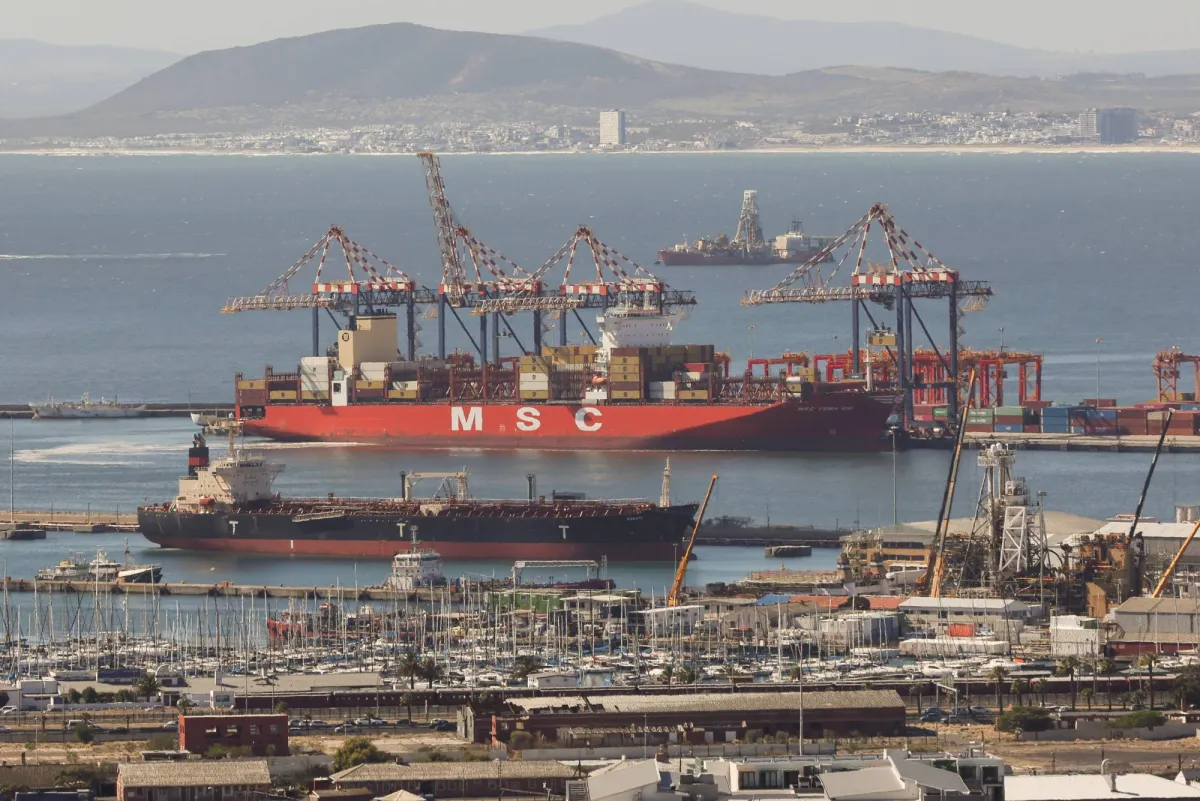
The maritime sector is particularly affected, with Clarksons Research estimating that approximately 4% of global shipping tonnage is stalled within the Arabian Gulf. An additional 1% is awaiting entry outside the Gulf, near ports in the UAE and Oman.
Michael Goldmann, General Manager for North America at CaroTrans, likened the supply chain to a long train, where disruption to one port can trigger a domino effect across the entire system.
The impact extends beyond maritime transport. Air cargo is also facing constraints due to airspace closures and airport disruptions across the Middle East, affecting the movement of perishable goods, electronics, and agricultural products.
The closure of airspace over countries including the UAE, Qatar, Bahrain, Kuwait, Iraq, and Iran has disrupted passenger and cargo flights, further straining supply chains.
Prior to the recent escalation, air freight companies were already grappling with airspace closures over Ukraine and Russia, adding to existing logistical challenges.
Henry Harteveldt, an aviation industry analyst at Atmosphere Research Group, highlighted the impact on routes to India, noting potential detours and increased flight durations. He also emphasized the potential disruption to pharmaceutical shipments from India.
Shipping companies are rerouting vessels around the Cape of Good Hope in Africa, adding 10 to 14 days to voyages and increasing fuel costs by an estimated $1 million per ship, according to Penfield.
Maersk, a major shipping company, has already begun redirecting its services around Africa to avoid volatile regions. This route adds considerable time and expense, prompting shippers to impose surcharges for fuel and heightened risk.
Despite the current turmoil, industry experts suggest that the shipping industry is adapting to the disruptions. Michael Goldmann of CaroTrans stated that the industry's recent experience with COVID-related disruptions and other Middle Eastern conflicts has fostered resilience.
The industry is accustomed to operating amid disruptions, he said, viewing the current situation as a continuation of this trend.