
JD - Beijing and Moscow prioritize preventing the conflict between the United States, Israel, and Iran from escalating, focusing on mitigating economic and geopolitical repercussions.
China emphasizes mediation and calls for an immediate ceasefire, closely monitoring the war's impact on energy markets and global trade. Chinese Foreign Minister stressed the urgency of restraint and civilian protection in a press conference.
Russia adopts a more cautious approach, offering political condemnation of attacks while maintaining its strategic partnership with Tehran and observing developments from a distance. Moscow has condemned the military operation carried out by the United States and Israel against Iran, but at the same time, it is dealing with the developments cautiously and following them from a distance.
According to Chinese political analyst Nader Rong Huan, Beijing's official stance remains consistent: an immediate ceasefire and regional stability. He noted the conflict's economic impact on China, particularly rising energy prices and shipping costs, though these effects remain limited due to diversified energy sources and strategic reserves covering approximately 200 days of domestic consumption.
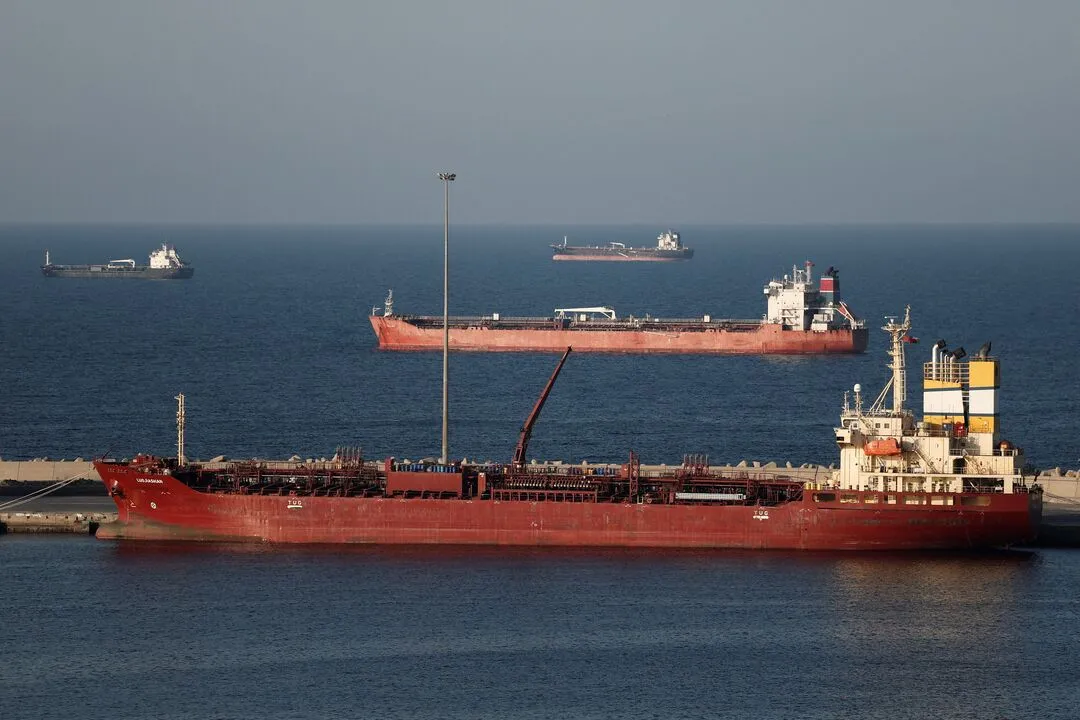
Rong Huan stated that Chinese factories continue normal operations with no significant disruptions to production or trade, despite the strategic importance of the Strait of Hormuz for oil and gas transport. China has also made substantial progress in renewable energy, with wind and solar power exceeding half of the country's total electricity production last year.
Addressing speculation about indirect economic pressure on China, the analyst believes the primary objective targets Iran's nuclear program and perceived threats, with any impact on China being a secondary consequence. He added that all global economies are affected by rising energy prices, with some European countries facing greater pressure than China.
Rong Huan defended China's approach, emphasizing its reliance on diplomatic and economic tools to manage international crises, rejecting military intervention or arms supply to conflict parties, which it believes only escalate tensions. China focuses on international mediation and diplomatic channels to achieve a ceasefire and restore stability.
Russian political analyst Andrei Antikov offered a somewhat different perspective, noting Moscow's condemnation of the military operation by the U.S. and Israel against Iran, while cautiously monitoring developments. Russia is preoccupied with the war in Ukraine, making it less inclined to engage directly in a new conflict. Moscow believes the attack on Iran has not yet achieved its objectives, as Washington and Tel Aviv had anticipated a swift victory leading to significant changes in Iranian power, which has not occurred.
Antikov suggests that developments may lead to Iranian resilience or a halt to U.S. and Israeli military operations without decisive results, explaining Russia's reluctance for greater intervention at this stage. Moscow maintains extensive cooperation with Tehran, including military, technical, and economic ties. Russia has previously contributed to developing Iranian defense capabilities, including air defense systems and arms deals.
Russian interests clearly align with Iran, not only due to military and economic cooperation but also the strategic importance of Iran in the International North-South Transport Corridor project, connecting Russia to Asian markets through Iranian territory. Iran's geographical location on the Caspian Sea also provides direct security importance for Russia.
Regarding U.S. accusations of direct Russian military support to Iran during the conflict, Antikov stated there is no clear evidence but did not rule out limited defense cooperation, particularly in technical or defensive areas. Antikov concluded that Russia might play a future role as a "diplomatic bridge" between Iran, the U.S., and Israel, leveraging its relationships with all parties. However, he emphasized that the final decision to end the war rests with Washington and Tel Aviv, making the prospects for international mediation contingent on their will.