
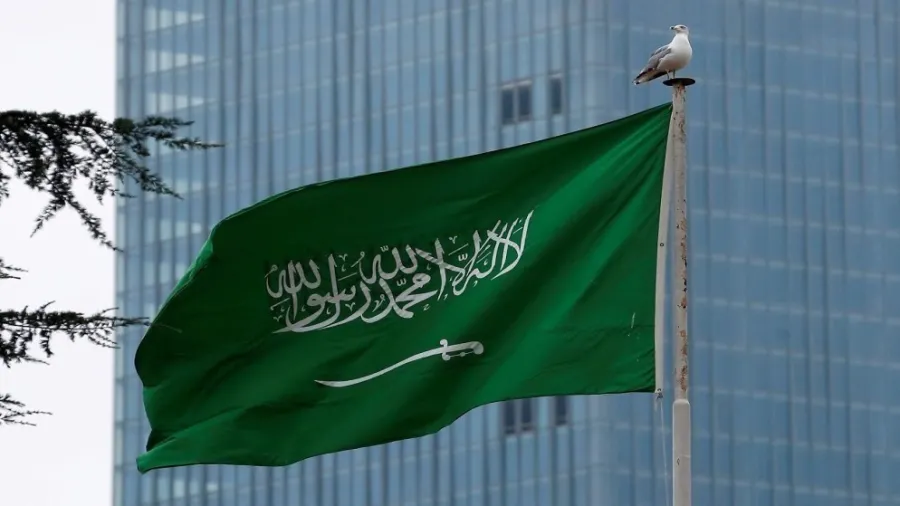
Jordan Daily - Riyadh has emerged as a beacon of economic resilience in the Gulf region, defying a gloomy forecast from the International Monetary Fund (IMF).
The IMF recently lowered its global economic growth projections by 0.2 percentage points to 3.1 percent, citing geopolitical conflicts as the primary cause.
Despite disruptions to international trade routes and supply chains caused by regional tensions, Saudi Arabia has successfully navigated these challenges.
Its strategic investments in alternative pipeline routes connecting the east and west of the Kingdom via the Red Sea have proven crucial.
This infrastructure has enabled the country to bypass potential closures of the Strait of Hormuz, ensuring the uninterrupted flow of oil to global markets.
As a result, Saudi Arabia is projected to lead the region with an expected growth rate of 3.1 percent. Further expansion to 4.5 percent is anticipated.
In contrast, neighboring economies are struggling with sharp contractions and disruptions to their energy facilities.
The IMF anticipates a significant contraction of 8.6 percent for Qatar, a downward revision of 14.7 percentage points compared to January estimates, largely due to the shutdown of the vital Ras Laffan facility.