
AFP/ Reuters - Iran has promised to retaliate against expanded US economic sanctions, which Washington said would cut off Iran's economic lifeline.
Tehran has expressed confidence that major trading partners will resist the US pressure campaign.
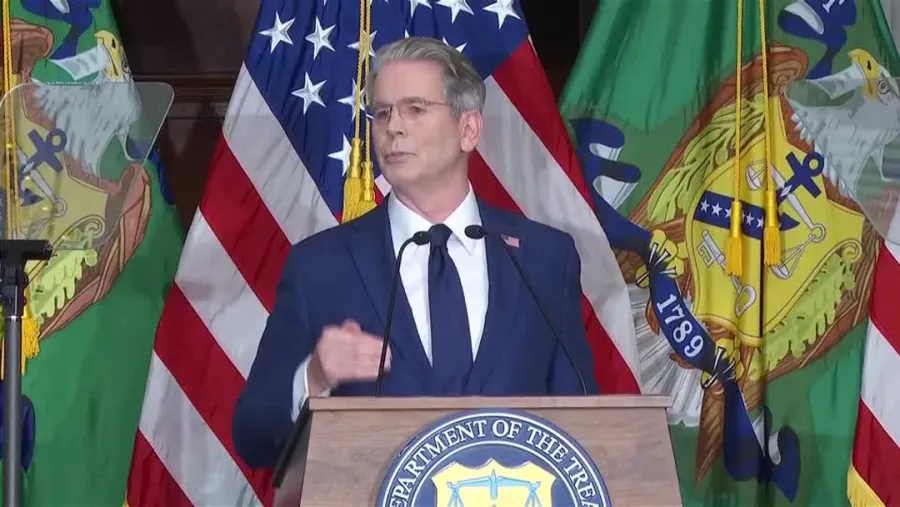
US Treasury Secretary Scott Bessent unveiled the measures yesterday but stopped short of severe sanctions, saying countries that continued trading with Iran risked being forced out of the dollar-based financial system.
"Around the globe, our objective is to sever every economic lifeline that sustains this tyrannical regime until Tehran stands alone," Mr Bessent told a press conference yesterday.
Mr Bessent declined to identify the countries that would be targeted or reveal when those penalties would take effect, saying he would instead provide them time to comply with the new directive.
The Treasury Department did announce new sanctions on 60 individuals, entities and vessels, but the list did not include any of the Chinese financial institutions suspected of facilitating Iran's oil trade.
When asked if Chinese banks dealing with Iran could be targeted, Mr Bessent said "no one is above the reach of US sanctions".
Before the announcement, Iran threatened both a possible military response and further reduction in oil exports from the Gulf in response to any US economic measures.
Afterward, Iranian Economy Minister Ali Madanizadeh said, "we are fully prepared for the US sanctions".
"Naturally, the enemies intend to launch an economic terrorist attack on us, but we also have our own tools and know-how to play the game. Our defense is no longer so defensive, the enemies should wait for an attack," Mr Madanizadeh added.
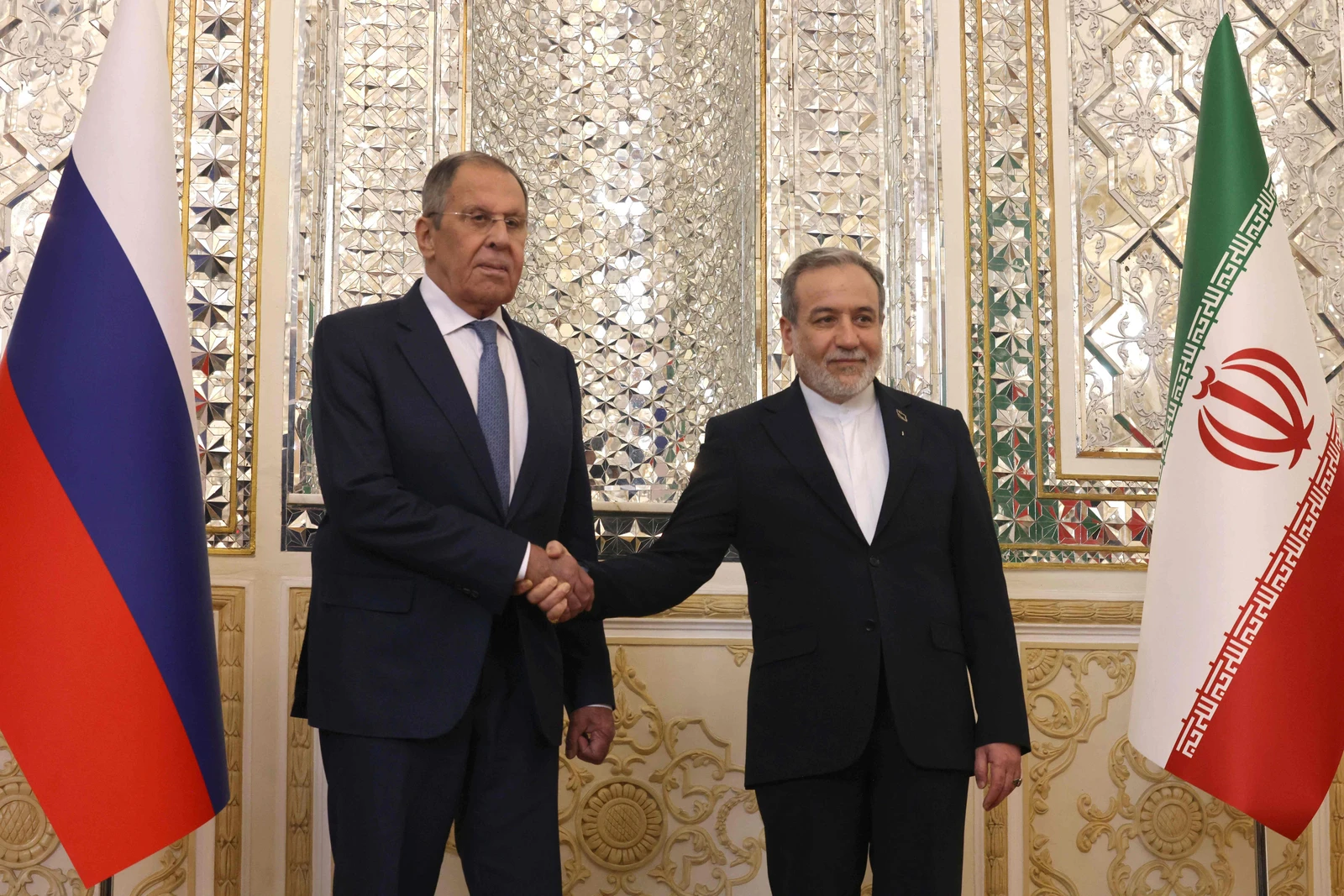
He also said that neither China nor Russia had "accepted" the US measures and predicted that other countries would resist them.
Brigadier General Hossein Mohebbi, a spokesperson for Iran's Islamic Revolutionary Guard Corps, vowed heavy blows to US vital interests and energy chokepoints if Iran's infrastructure is threatened, according to local news reports.
Neither side has launched major strikes in weeks, with the war showing little sign of reaching a diplomatic solution.
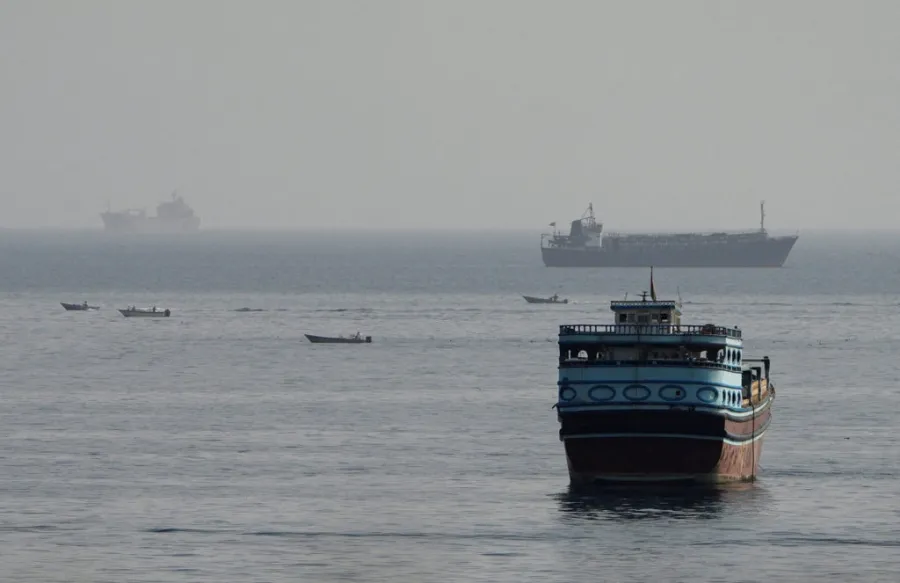
In the meantime, the US is seeking new ways to end Iranian attacks on ships in the Gulf and more recently, via its allies, in the Red Sea.
Despite the announcements yesterday, oil prices fell more than $2 (€1.71) per barrel yesterday, though investors braced for the prospect of further supply disruptions from the Middle East.
When questioned as to why he stopped short of imposing penalties on Iran and declined to identify the countries that would be targeted, Mr Bessent responded, "why would I want to blow up the global financial system"?
He said he wanted to give countries and companies time to sever ties.
Mr Bessent previously urged cooperation from China, the largest buyer of Iranian oil for several years, although the US blockade of Iran's ports, renewed in mid-July, has already cut Iranian oil flows to China.
The Chinese Foreign Ministry said sanctions and pressure tactics do not help and Beijing would do what was necessary to protect China's interests.
The comments come ahead of expected talks next month between President Trump and Chinese President Xi Jinping.