By : Nedal Zubeidi
BAKU, Azerbaijan -Rising from the site of a once heavily polluted oil and industrial zone, Baku White City has become one of the largest urban redevelopment projects in the Caucasus, reshaping Azerbaijan’s capital and reflecting the country’s drive to diversify its economy beyond hydrocarbons.
"The Black City throughout centuries will turn White, clean, there will be grown flowers, and it will come to be a beautiful sight of Azerbaijan..." Heydar Aliyev, Azerbaijan’s national leader, once said - a vision that laid the conceptual groundwork for the transformation.
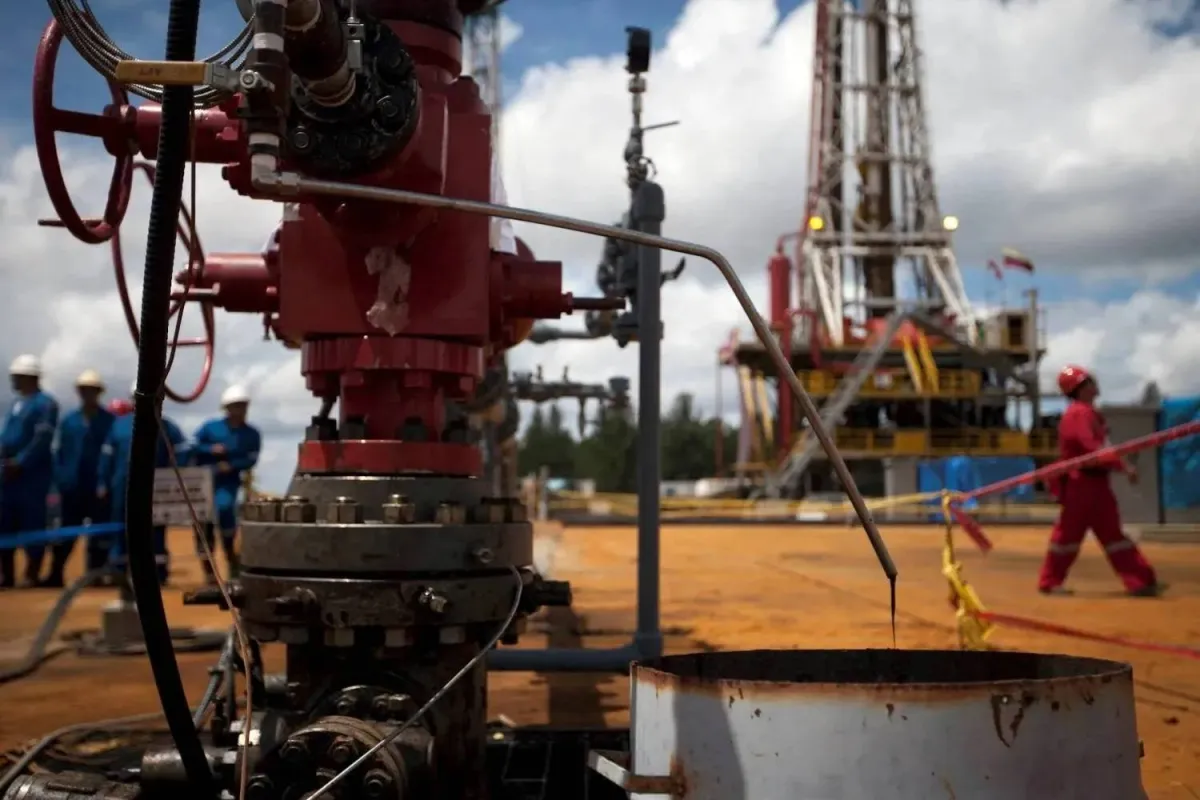
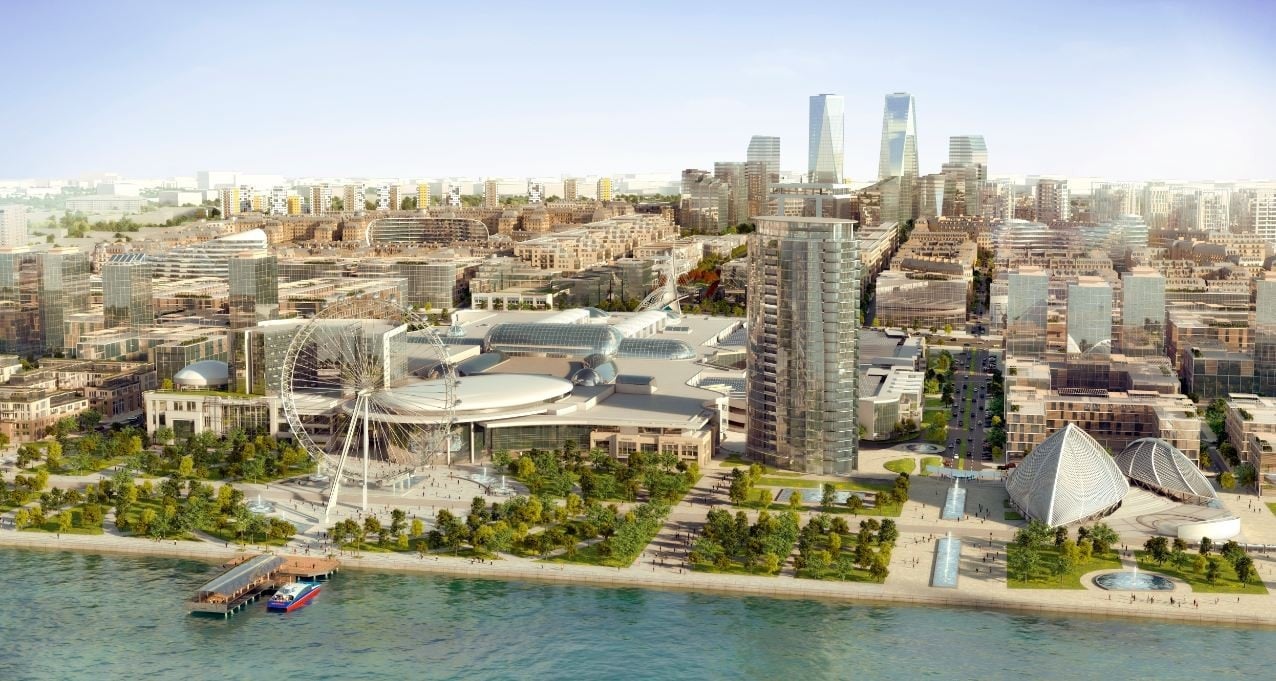
Launched in 2011, the 221-hectare project is transforming the area historically known as “Black City” - a hub of oil refining and petrochemical activity dating back to the late 19th century- into a modern, mixed-use district along the Caspian Sea. The redevelopment includes residential complexes, office towers, retail outlets, educational facilities and public parks, as well as landscaped waterfront promenades designed to reconnect the city with its shoreline.
Fuad Verdiyev, Head of Development at Azerbaijan Development Company, told Jordan Daily during visit to the City, the project prioritizes environmental remediation and sustainable urban planning. Extensive clean-up operations were carried out to address decades of industrial pollution before construction began. The master plan emphasizes pedestrian-friendly streets, underground utilities, green spaces and integrated transport links aimed at reducing congestion and improving livability.
Several districts within White City, including residential neighborhoods and a central business area, have already been completed and are now home to residents and businesses. Cafes, schools and corporate offices operate alongside newly built apartment blocks, while construction cranes remain visible in other sections as additional phases move forward.
Verdiyev describes the White City as a cornerstone of Baku’s long-term development strategy. The project is intended not only to modernize urban infrastructure but also to stimulate growth in non-oil sectors such as real estate, services and tourism. By creating a high-end residential and commercial environment, authorities hope to attract foreign investment and position Baku as a regional business hub.
The scale of the redevelopment is significant in a region where large, master-planned regeneration schemes are relatively rare. The project is expected to accommodate tens of thousands of residents upon completion, with infrastructure designed to support long-term expansion.
While the multi-phase initiative is still under development and full economic impact will take years to assess, Baku White City has already emerged as a visible symbol of transformation. For a capital long associated with its oil heritage, the City represents a deliberate shift toward a more diversified and sustainable urban future.