
By : News Editor
Jordan Daily - A virtual reality medical simulator developed by Jordanian technology firm Azrar Solutions is helping nursing students at Al-Zaytoonah University of Jordan practice clinical examinations in an immersive digital environment designed to replicate real hospital settings.
The system, created in collaboration with the university’s Faculty of Nursing, allows students to conduct sensory clinical examinations on virtual patients while receiving real-time feedback on their performance.
Developers say the platform was designed to address a key limitation in traditional medical training, where opportunities for repeated hands-on practice can be restricted by time, resources and patient safety considerations.
Working under the scientific supervision of Dr. Marwa Al-Barmawi and in coordination with the faculty’s dean, Dr. Khaled Suleiman, Azrar’s development team built the simulator to mirror real clinical procedures used in nursing education.
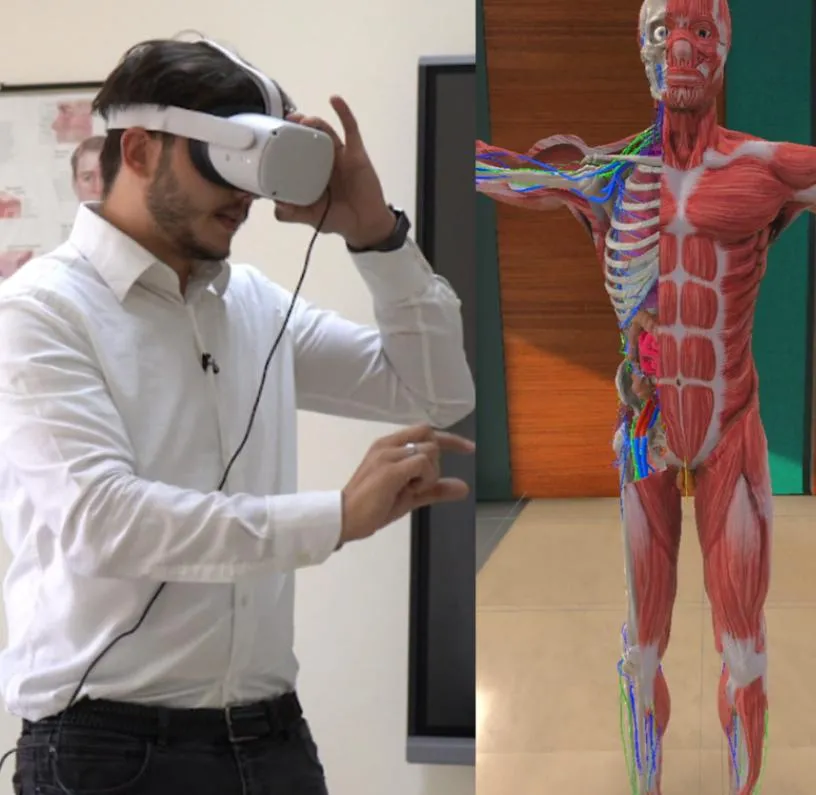
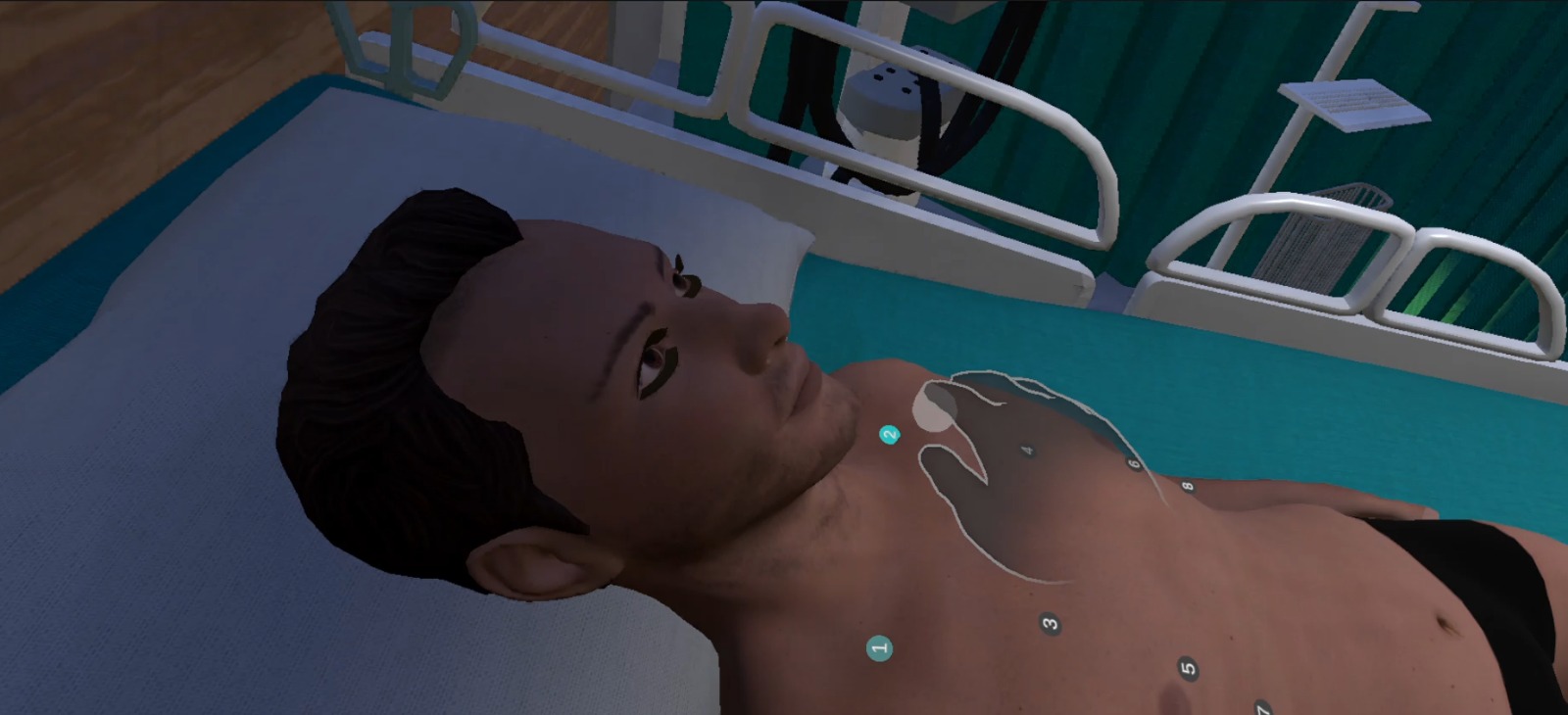
Using virtual reality headsets, students enter a fully equipped 3D hospital environment where they can interact with digital patients who display realistic physical and emotional responses. The system enables trainees to perform a range of examinations, including respiratory, cardiac, abdominal and skin assessments.
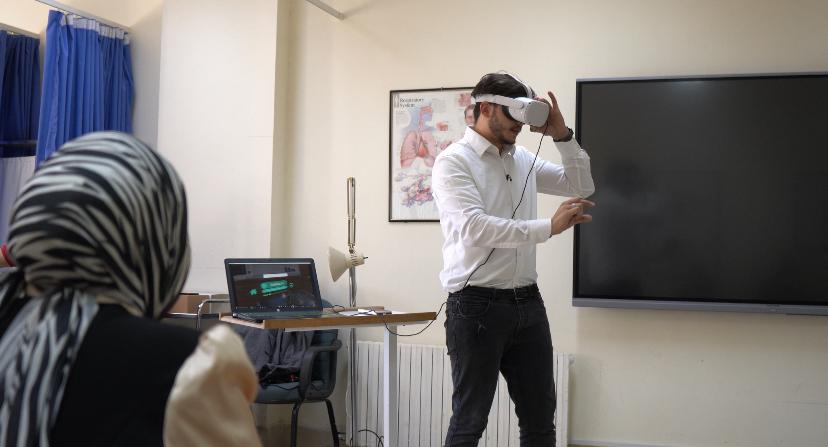
During the simulations, students use virtual medical tools and examination techniques such as palpation, percussion and auscultation to identify symptoms including pain reactions, tissue abnormalities and other clinical indicators.
The simulator also integrates a real-time assessment system that monitors student actions during each procedure. The platform tracks adherence to clinical protocols, prompts students with interactive questions and provides immediate feedback when mistakes occur.
An instructor dashboard allows faculty members to monitor student activity live, review performance data and receive alerts if key medical procedures - such as hand hygiene - are skipped.
Azrar’s multidisciplinary team infused the simulator with humanized 3D characters, emotional patient responses and intuitive interactions aimed at making clinical scenarios feel closer to real-life patient encounters.
The project’s technical and creative directors, Ahmed Jaber and Moath Qawaqneh, oversaw the development process, ensuring that design, functionality and medical accuracy were integrated throughout the system.
Built using the Unity 3D engine, the platform features detailed hospital environments, medical instruments and interactive virtual patients designed to replicate authentic clinical settings.
The simulator was intended to help students build diagnostic skills, clinical confidence and decision-making abilities through repeated practice in a controlled virtual setting before entering real clinical environments.