
Dr Fadi Maayah
Curtin University, Australia
Jordan Daily - When Group B kicks off at the 2026 FIFA World Cup, the narrative will centre on discipline, control and tactical identity rather than unpredictability. This is a group shaped by structure and strategic contrast, where matches may be decided by fine margins. Featuring Canada, Switzerland, Qatar and Bosnia and Herzegovina, Group B brings together four distinct football journeys, each defined by a clear playing philosophy and individuals capable of influencing outcomes.
Canada enter not only as co-hosts, but as a nation experiencing rapid football development. With strong home support behind them, they bring energy, ambition and intensity. Their identity is built on speed, pressing and transition-based attacking play, typically within a 4-3-3 or 3-4-3 system. Canada seek to win the ball quickly and attack with purpose, frequently turning defensive actions into immediate threats.
Key contributors will play an important role in this approach. Canada’s attacking framework is built on pace and directness, supported by intelligent movement and finishing in the final third. In midfield, their ability to link play and manage transitions will be critical. Canada will aim to stretch games and create open, high-tempo contests. However, their challenge will be managing structured and controlled matches against disciplined opponents.
Switzerland arrive with a very different profile, calm, composed and tactically disciplined. They bring consistency developed through strong performances in recent tournaments and a clear understanding of game management. Operating in systems such as 4-2-3-1 or 3-4-2-1, Switzerland prioritise balance between defence and attack, ensuring control in all phases of play.
Their structure reflects stability and leadership across the pitch. The midfield provides rhythm and control, while the defensive unit ensures organisation and composure under pressure. In attack, they offer moments of creativity and unpredictability, particularly in decisive situations. Switzerland’s strength lies in their adaptability; they can slow the tempo, control possession or absorb pressure depending on the demands of the match. This flexibility positions them as strong contenders to top the group.
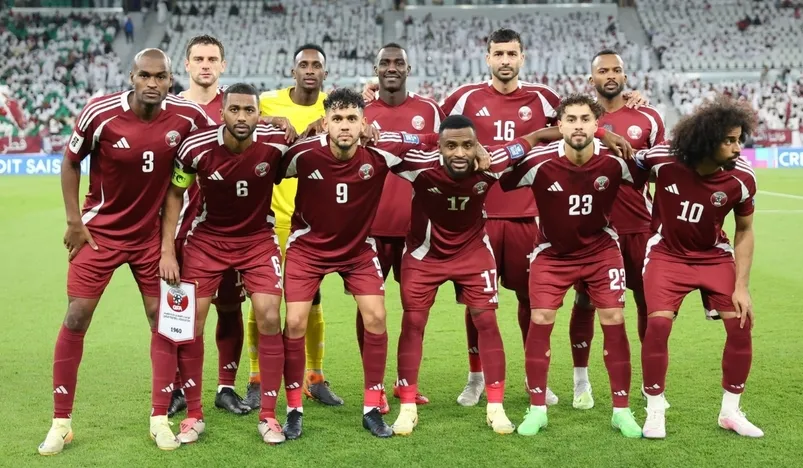
Qatar enter the tournament with a disciplined and methodical approach shaped by recent international exposure. Their tactical identity is built on defensive compactness, organisation and control of match tempo. Typically operating in a 5-3-2 or 3-5-2 structure, they focus on maintaining shape and limiting space between lines.
Their attacking play relies on creativity and decision-making in tight areas, with the ability to unlock defences when opportunities arise. At the same time, their defensive organisation and reliability in goal provide a strong foundation. Qatar’s matches are likely to be controlled and low-scoring, where patience and structure define their approach. Their key challenge will be sustaining concentration against higher-intensity opponents over the full duration of games.
Bosnia and Herzegovina complete the group with a style built on resilience and physical presence. Their qualification pathway reflects a team comfortable under pressure. Their playing model is direct, often using a 4-2-3-1 or 4-4-2 structure, with an emphasis on aerial duels, second balls and set-piece opportunities.
Their approach is driven by experience, physicality and the ability to capitalise on limited chances. They combine technical quality in midfield with strength in defensive duels, aiming to disrupt rather than dominate. Bosnia’s objective will be to break the rhythm of more structured teams and exploit key moments within matches.
What makes Group B particularly engaging is the contrast in styles. Canada will look to accelerate the game through transitions and pace. Switzerland will aim to control and manage matches through structure and experience. Qatar will seek to slow the tempo and impose defensive discipline, while Bosnia and Herzegovina will attempt to disrupt flow through physicality and direct play. Each match becomes a tactical contest where identity and adaptation are equally important.
As the group unfolds, Switzerland’s consistency and balance position them as favourites to finish first. Canada’s energy and home advantage provide a strong pathway to second place, provided they show composure in structured encounters. Bosnia and Herzegovina remain capable of challenging through resilience and efficiency, while Qatar will rely on discipline and key moments to remain competitive.
Ultimately, Group B reflects a fundamental truth of modern football. Success is not built on attacking flair alone, but on structure, clarity of identity, and the ability to adapt under pressure.