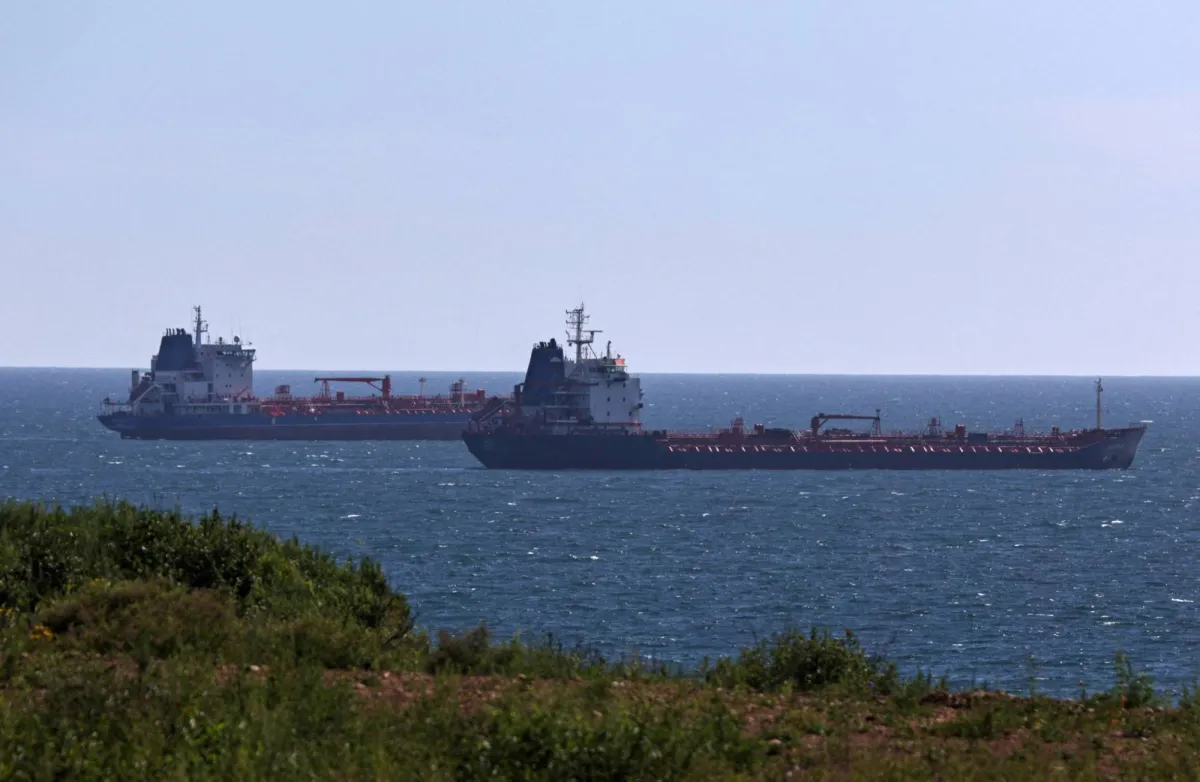

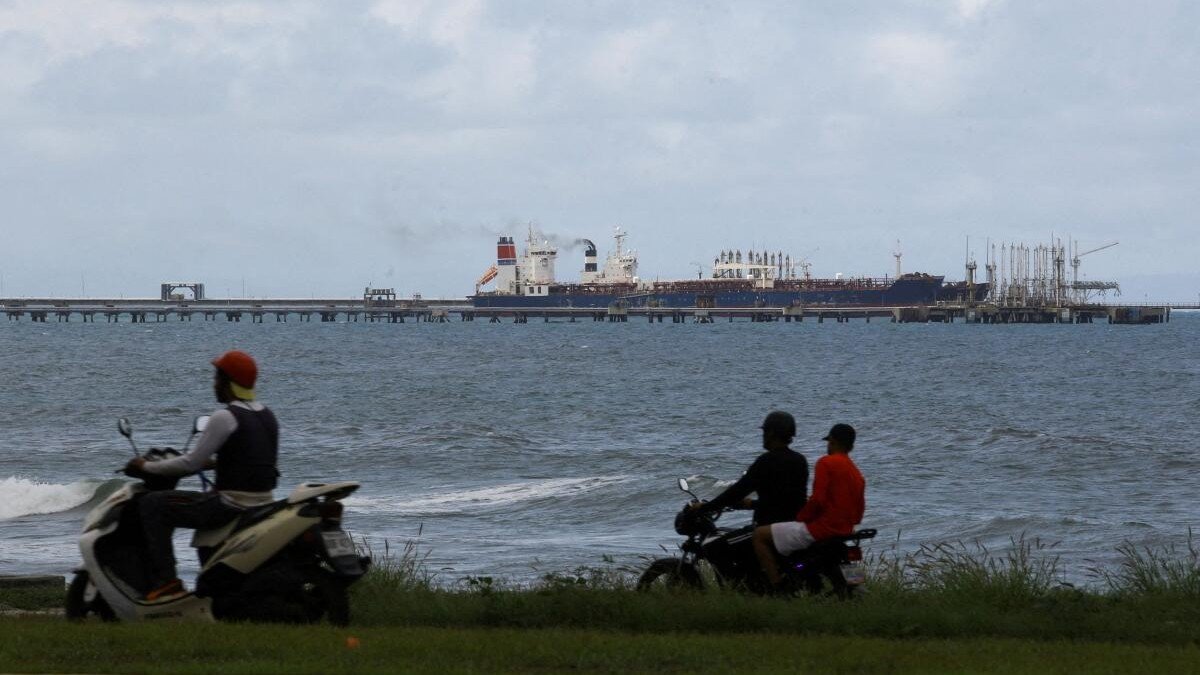
Reuters -The US seized a Russian-flagged oil tanker that was being shadowed by a Russian submarine on Wednesday, after a more than two-week-long pursuit across the Atlantic as part of a US “blockade” of Venezuelan oil exports, two US officials told Reuters.
This appeared to be the first time in recent memory that the US military has seized a Russian-flagged vessel.
The operation took place after the tanker, originally known as the Bella-1, slipped through a US maritime blockade of sanctioned tankers in the Caribbean and rebuffed US Coast Guard efforts to board it. The seizure effort was first reported by Reuters.
In a post on X, the US military’s European Command said the Trump administration had seized the vessel for violating US sanctions.
“The blockade of sanctioned and illicit Venezuelan oil remains in FULL EFFECT — anywhere in the world,” US Defense Secretary Pete Hegseth said in reply to that post.
The US officials, who were speaking on condition of anonymity, said Wednesday’s operation near Iceland was being carried out by the Coast Guard and US military.
The Coast Guard did not immediately respond to a request for comment.
The officials said Russian military vessels were in the general vicinity of the operation, including a Russian submarine. It was unclear how close the vessels were to the operation, but there were no indications of a confrontation between US and Russian military forces.
There was no immediate comment from Moscow. However, Russian state media outlet RT published an image of a helicopter hovering near the ship.
China condemns US bullying
The seizure took place just days after US special forces swooped into Caracas before dawn on Saturday in a deadly raid to seize President Nicolas Maduro and take him to the United States. The US military turned him over to federal authorities for prosecution on charges involving alleged drug trafficking.
It was unclear where exactly the ship would now go, but sources said it would likely be entering British territorial waters.
Britain’s Ministry of Defense declined to comment.
The US Coast Guard first attempted to intercept the vessel last month, but it refused to be boarded. Since then, it has registered under a Russian flag and been renamed Marinera.
The vessel is the latest tanker targeted by the US Coast Guard since the start of US President Donald Trump’s pressure campaign against Venezuela.
Separately, the US Coast Guard has also intercepted another Venezuela-linked tanker in Latin American waters, US officials told Reuters on Wednesday, as the US continues enforcing its blockade of sanctioned vessels from Venezuela.
Sources told Reuters that the vessel was Panama-flagged supertanker M Sophia, which is under sanctions.
It had departed from Venezuelan waters in early January as part of a fleet of ships carrying Venezuelan oil to China in “dark mode” or with its transponder off, according to shipping data and sources.
Maduro capture deaths
Top Venezuelan officials have called Maduro’s capture a kidnapping and have accused the US of trying to steal the country’s vast oil reserves, estimated to be the largest in the world.
In turn, Trump and top US officials have accused Venezuela of stealing US oil, in an apparent reference to the country’s nationalization of its energy sector in several waves over the past half-century.
Venezuela has millions of barrels of oil loaded on tankers and in storage tanks that it has been unable to ship due to the effective US blockade on exports imposed since mid-December.
Trump said on Tuesday that Caracas and Washington have reached a deal to export up to $2 billion worth of Venezuelan crude to the United States, an agreement that would divert supplies from China while helping Venezuela avoid deeper oil production cuts.
Venezuelan opposition
Such an agreement would be a strong sign that the Venezuelan government is responding to Trump’s demand that authorities there open up to US oil companies or risk more military intervention.
Trump has said he wants interim President Delcy Rodriguez to give the US and private companies “total access” to Venezuela’s oil industry.
Since the US imposed energy sanctions on Venezuela in 2019, traders and refiners buying Venezuelan oil have resorted to a “shadow fleet” of tankers that disguise their location, or to vessels already sanctioned for transporting Iranian or Russian oil.
The shadow fleet is considered exposed to possible punitive measures from the US, shipping analysts have said.