
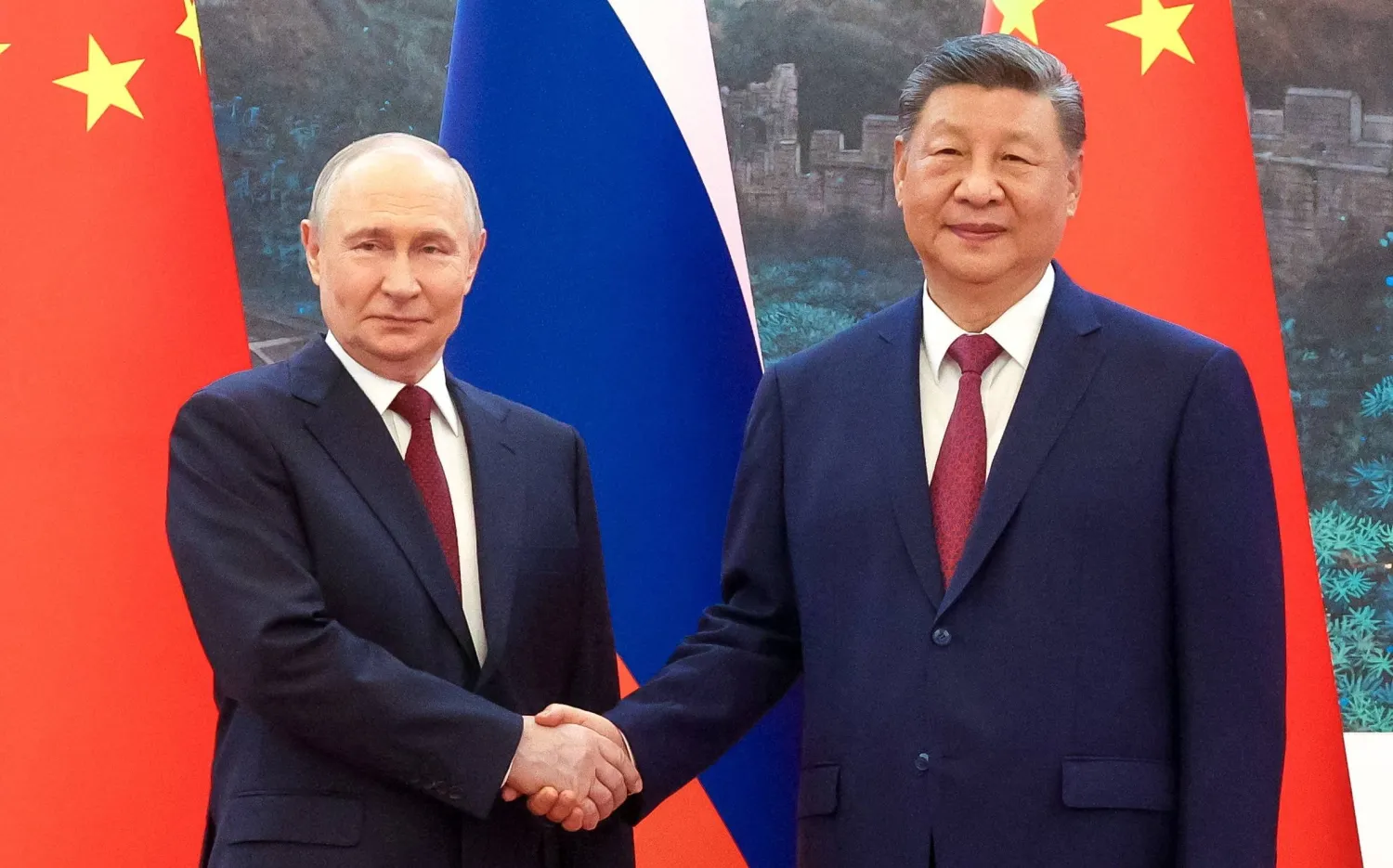
Jordan Daily - Russia and China are deepening their energy partnership, reshaping the global energy landscape as Western sanctions intensify and maritime supply routes face disruption.
This evolving dynamic sees Moscow and Beijing increasing their interdependence, with Asia becoming the focal point for energy trade, and major markets growing more reliant on Russian supplies.
Trade between the two nations has reached approximately $228 billion, with the energy sector accounting for about 35% of this total, highlighting the central role of oil and gas in their expanding economic relationship.
Russia has become a primary oil supplier to China, accounting for approximately one-fifth of China’s imports, averaging nearly two million barrels per day, as Moscow redirects its exports away from traditional European markets.
In the gas sector, China relies on approximately 38 billion cubic meters annually via the “Power of Siberia 1” pipeline. The “Power of Siberia 2” project is expected to add an additional 50 billion cubic meters via a land route.
The new project will extend from the Russian Arctic fields through Mongolia to northeastern China, spanning approximately 4,000 kilometers, with estimated costs nearing $36 billion, although final implementation details are still pending.
These developments occur as Russia rapidly repositions itself following reduced exports to Europe, strengthening its Asian partnerships and making Beijing its primary trading partner to counter Western sanctions.
China benefits from Russian supplies, which are less susceptible to geopolitical fluctuations in maritime routes, providing greater stability in meeting its increasing energy needs.
These shifts are particularly significant given rising tensions in global energy corridors, notably the Strait of Hormuz, a critical chokepoint for international oil transit and supply chains.
China has increased its energy imports from Russia by nearly 30% in the first quarter, leveraging land-based pipeline networks to mitigate maritime transport risks.
Beijing views Russia as a stable strategic supplier, especially given the uncertainties in the Middle East and the instability of supply routes through vital straits.
The growing Russia-China alignment represents an “Eastern energy bloc” aimed at diminishing the impact of Western sanctions and easing pressure on global oil markets.
This transition provides China with a stable supply source, while offering Russia a substantial market as an alternative to Europe, fostering unprecedented mutual benefits in the energy sector.
China is expected to maintain a minimum level of imports from the United States to avoid trade escalations, but this will not constitute a genuine strategic alternative.
Concerns remain about the continued drawdowns from strategic reserves, with remaining quantities sufficient only for a few weeks, heightening the risks of sudden supply shortages.