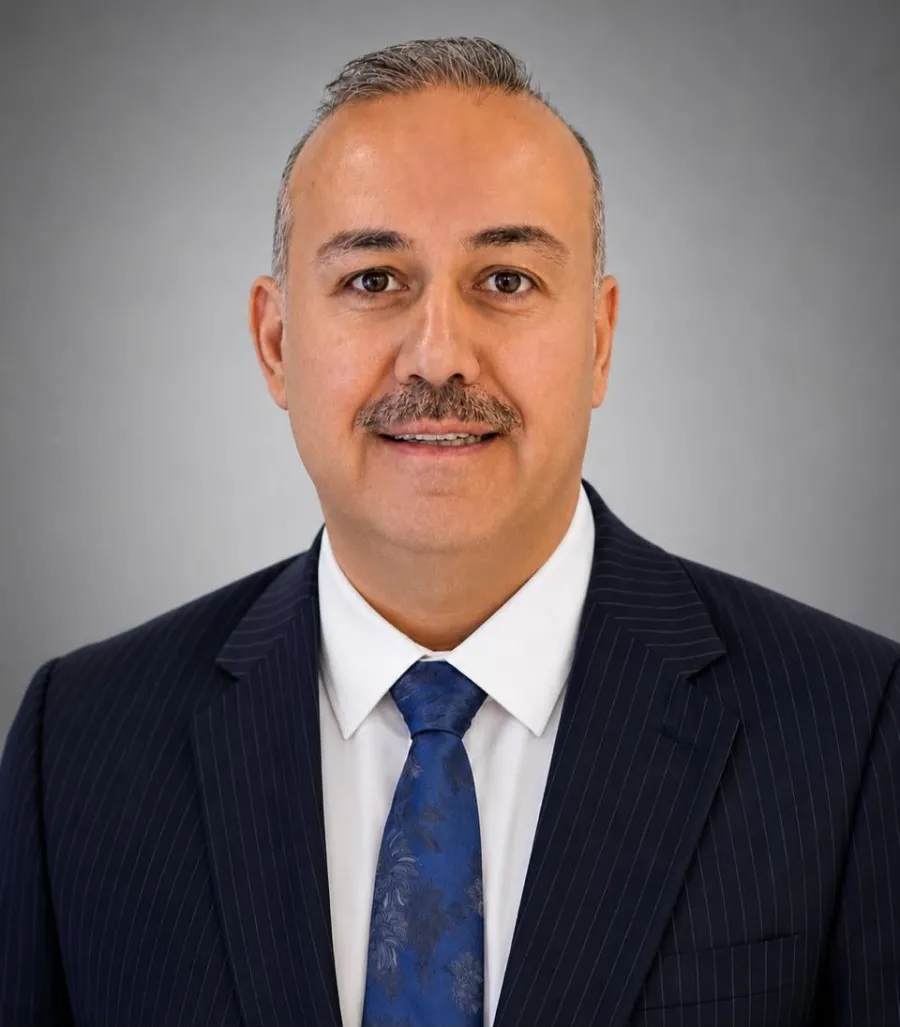

Dr Fadi Maayah
Curtin University
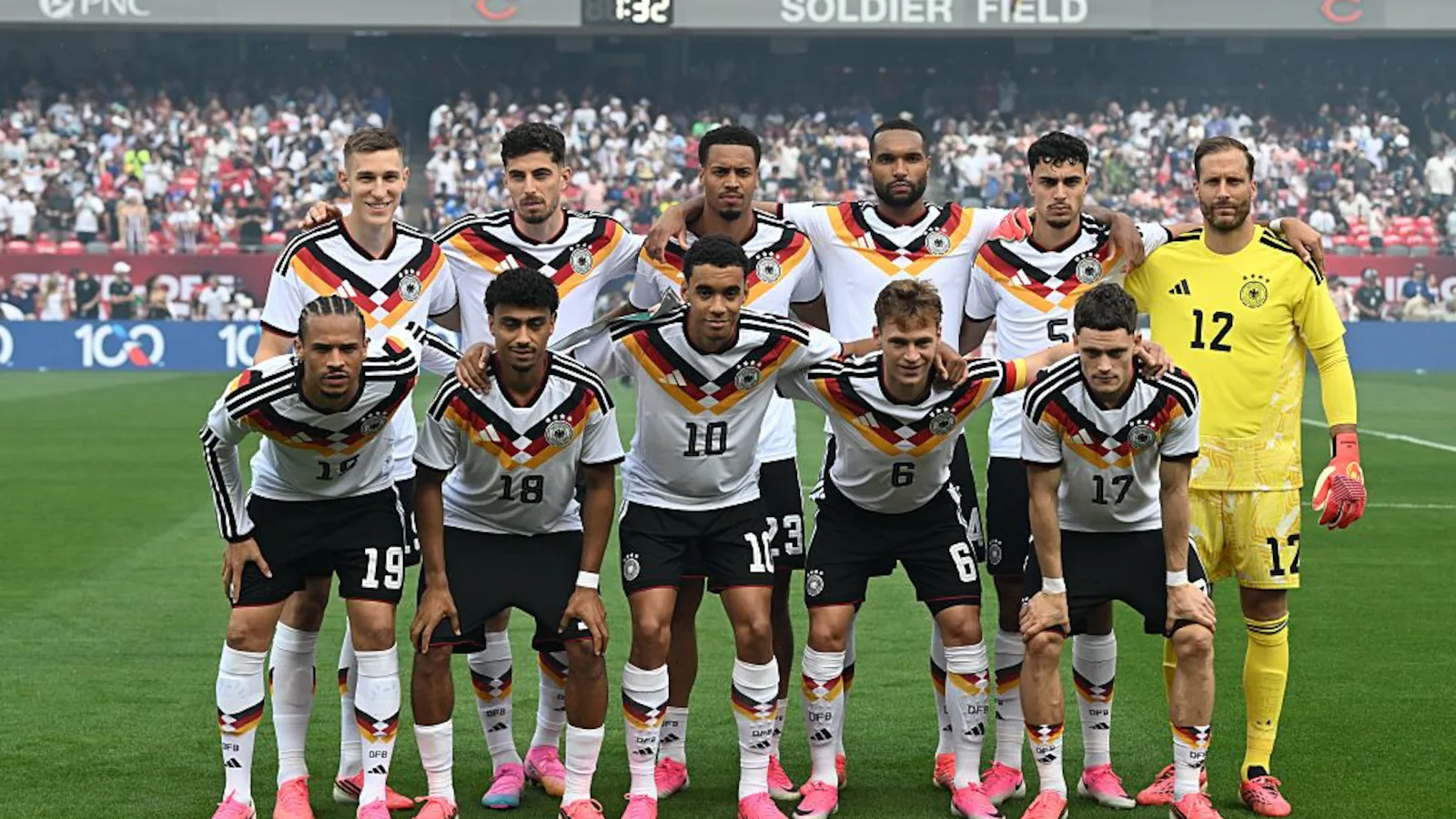
Jordan Daily- Group E at the FIFA World Cup 2026 presents one of the tournament’s most compelling narratives—a blend of redemption, emerging strength, and historic opportunity. Featuring four-time champions Germany alongside Ecuador, Côte d’Ivoire, and debutants Curaçao, the group encapsulates the evolving balance of global football, where traditional power meets ambitious challengers from three different continents.
At the centre of attention is Germany, a nation synonymous with World Cup success but now seeking to restore its global standing. After consecutive group-stage exits in 2018 and 2022, the 2014 champions arrive in North America under pressure to re-establish themselves as a dominant force. Despite their rich history, recent disappointments have reshaped expectations, turning this group stage into a crucial test of progress under coach Julian Nagelsmann.
Germany’s approach reflects a shift toward a more dynamic and attacking style. Built around technically gifted players and greater verticality in play, this new generation combines experience with youthful creativity. However, the key question remains whether they can maintain consistency and control across all phases of play—an issue that has hindered them in recent major tournaments.
Yet Group E is far from a one-team race. Ecuador arrives as one of South America’s most disciplined and steadily improving sides. Known for their defensive organisation and athletic intensity, they bring a competitive edge shaped by the demanding CONMEBOL qualification system. Ecuador’s ability to balance structure with transitional speed makes them a genuine contender, particularly in matches where tactical discipline becomes decisive.
Côte d’Ivoire adds further complexity to the group. Returning to the World Cup after a 12-year absence, the African side combines physical strength with attacking flair. Traditionally characterised by powerful transitions and individual quality, they possess the tools to disrupt even the strongest teams. Their performances will hinge on maintaining defensive compactness while exploiting moments in transition—especially against possession-heavy opponents like Germany.
Completing the group is Curaçao, whose qualification represents one of the most remarkable stories of World Cup 2026. Making their first appearance at the global finals, they enter as clear outsiders but with the unpredictability that defines tournament football. While expectations remain modest, their presence introduces an element of uncertainty, as even a single result could reshape the group dynamics, particularly in the context of the expanded format.
What makes Group E tactically engaging is the diversity of playing styles. Germany are expected to dominate possession and dictate tempo through technical superiority. Ecuador will rely on defensive structure and rapid transitions, aiming to exploit space when opponents commit forward. Côte d’Ivoire’s approach blends physicality with attacking directness, while Curaçao’s game is likely to centre on energy, resilience, and opportunistic play.
The opening round of fixtures immediately highlights the stakes. Germany faces Curaçao in a match that, on paper, should provide a platform for early momentum. However, the simultaneous clash between Côte d’Ivoire and Ecuador may prove far more decisive in shaping the group’s competitive structure. With both teams eyeing qualification, this fixture could ultimately determine who progresses to the knockout stage.
As the group unfolds, the match between Germany and Côte d’Ivoire stands out as a potential turning point. It is a clash between European technical organisation and African physical dynamism—a test of control versus intensity. Meanwhile, the final-round encounter between Germany and Ecuador could decide the group winner, particularly if both teams enter the match with maximum or near-maximum points.
The expanded 48-team format adds another layer of strategic complexity. While the top two teams automatically progress, third place may still be sufficient to advance depending on overall group performance. This increases the importance of goal difference, game management, and tactical decision-making throughout all three matches.
Beyond qualification scenarios, Group E reflects broader themes in modern international football. Traditional hierarchies are being challenged by emerging nations, and success is increasingly determined by tactical adaptability rather than reputation alone. Ecuador and Côte d’Ivoire, in particular, exemplify this shift, combining organisation and athleticism to compete with historically dominant teams.
For Germany, the stakes are clear: this is not just another group stage—it is a moment of accountability and renewal. Failure to progress would deepen concerns around their direction, while a strong performance could signal a return to global contention.
For Ecuador and Côte d’Ivoire, the opportunity lies in breaking through and asserting themselves as consistent forces at the highest level. For Curaçao, it is a chance to make history and inspire beyond expectations.
In a group defined by contrast—between past glory and future ambition, structure and unpredictability—Group E promises a compelling mix of narrative and competition. It is a group where every match carries weight, and where the story of World Cup 2026 will be shaped not only by giants, but by those determined to challenge them.